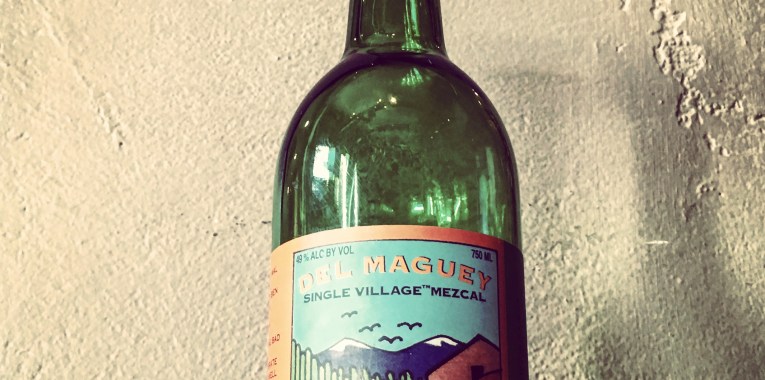
Agave is an odd category to me. There is an abundance of good agave products pouring into Los Angeles but unlike whiskey, or even brandy and cognac, I often encounter what feels like an active, willful ignorance from people drinking tequila and mezcal, both in terms of education and general understanding of the spirits..
Requests for mezcal margaritas out number the requests spicy margaritas in my bar these days, but if a customer orders a tequila and I ask them if they’d like a blanco, reposado, or an anejo their eyes glaze over as if I was speaking a foreign language. I can’t imagine what would happen if they requested a mezcal and I asked them if they’d prefer a barril, madrecuiche or a tepezate. And this isn’t me being difficult for the sake of being difficult. These are the same types of questions I ask if someone requests a “whiskey” or a “scotch.” The proliferation, and premiumization, of agave has almost exacerbated the problem. People know that they want it even if they don’t know what “it” is.
If a customer orders a tequila and I ask them if they’d like a blanco, reposado, or an anejo their eyes glaze over as if I was speaking a foreign language.
This isn’t meant to ignore the inroads the category has made. I remember drinking mezcal out of a plastic jug that my collage roommate brought back from Texas and I can still feel that punch in the chest. With the category, and quality, growing so rapidly in the US and Mexico, greater education is needed.
And we wouldn’t be talking about mezcal at all if it weren’t for Del Maguey.
I know it’s hip to hate on the iconic green Del Maguey bottles these days. We’re always looking for what’s new and hip, and at 20 years old Del Maguey is the dinosaur of the mezcal world. But with out them we don’t even get a mezcal category in the U.S.- yet, to most “in-the-know” bartenders that I meet they’re just simply not a cool brand. I blame the Vida for this.
Everyone who’s had mezcal has had Vida. There were no other viable well options for a long time but let’s be honest, the Vida ain’t that great. I still enjoy it more than many other “mixing” mezcals , like say El Silencio, but both of them are stripping out something essential in the process. They may end up being more approachable but they also feel watered down and for the average consumer they end up associating that distinctive green bottle with that level quality.
That’s not to say Del Maguey doesn’t have an eye for quality. The Chichicapa is one of the best mezcals I’ve ever found for mixing and is an invaluable tool to open people’s eyes to the possibilities of what mezcal can taste like and the Santo Domingo Albarradas is to this day one of my favorite sipping mezcals.
But with 21 different products available, some named for the village of production and others for the species of agave they’re not necessarily helping simplify the category. I don’t blame them though. They are just incredibly excited about excellent mezcal and want to share everything they find with drinkers outside of its native village.
Take, for example, the Del Maguey Barril.
It’s part what’s known as the “Vino de Mezcal” series. It’s a term borrowed from the history of agave. Before there were rules on what made something a “Tequila” or a “mezcal” agave spirits were simply called “Vino de Mezcal.” If you’re wondering why they weren’t called “Vino de Tequila” it’s because technically Tequila is a type of mezcal. But that’s a conversation for another day.
For the Del Maguey lineup “Vino de Mezcal” means limited. It’s mezcal that are very terrior driven but can only be produced in limited quantities. The Barril is a single varietal and literally means “barrel” which describes the size and shape of this particular agave varietal. The plants are all 15-20 years old, were fermented for thirty days and then were twice distilled on a clay still with bamboo tubing by Florencio “Don Lencho” Laureano Carlos Sarmiento, an 80 year old palenquero. A palenquero is a nifty word for “mezcal maker.”
It carries that clay minerality over into the liquid. It’s slightly salty, yet fragrant at the same time. There is a green vibrancy that is earthier rather than fruity while still remaining juicy. In the end, it’s a great example of what the world of mezcal can offer to drinkers of barrel aged spirits. It entices them in with some familiarity but then throws open the doors to what is beautiful about the differences.
How do I know all of this? Through tasting and having conversations with people who know more than me but also because the technical details are all right there on their website. You don’t get to be the granddaddy of your spirits category with out recognizing the education problem on your own.
I certainly don’t claim to be an agave expert. I’m just an enthusiast that is looking for a way to bridge that knowledge gap. I want to find a way to start a conversation that will keep mezcal from just becoming “smoky” tequila. And I’m open to suggestions.

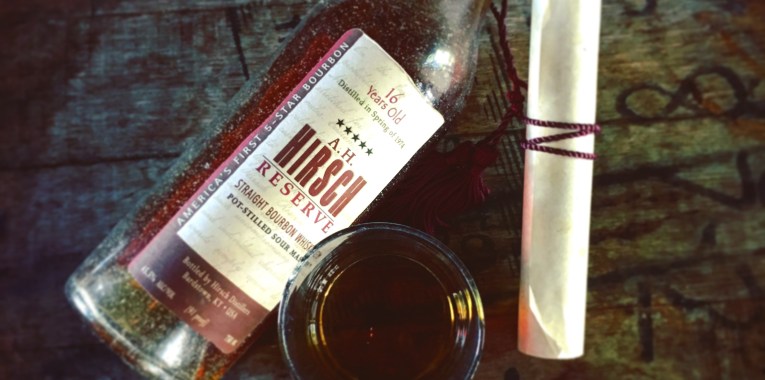
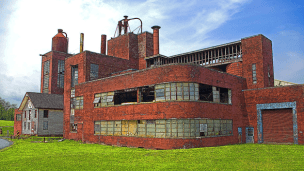 n, PA in 1753. John Sheck was doing what most farmers did at the time and was simply distilling as a way to maximize his harvest and make a little extra cash from excess grain. There was no formula to it. But over the next 163 the family grew this small operation into a full blown distillery until they were forced to close the doors in 1919 due to the beast that was Prohibition.
 brand, and Charles Everett Beam, of the Beam family fame, as master distiller. They were ready to rock and roll. Yet despite having limited success with the Michter’s Sour Mash Whiskey (which may or may not have been pot stilled) and being named a National Historic Landmark in 1980 the demand for Bourbon just wasn’t there. What may have been the oldest distillery in the United States closed its doors for good in 1989 and is now just a collection of abandoned buildings.
 And Hirsch never cashed that investment in. Oddly he left it aging in the warehouses, paying taxes on all 400 barrels until the distillery shuttered. Now sitting at a solid 16 years old, ancient by Bourbon standards at the time, Hirsch finally took position and sold of the stock.
 Bottled In Bond LA