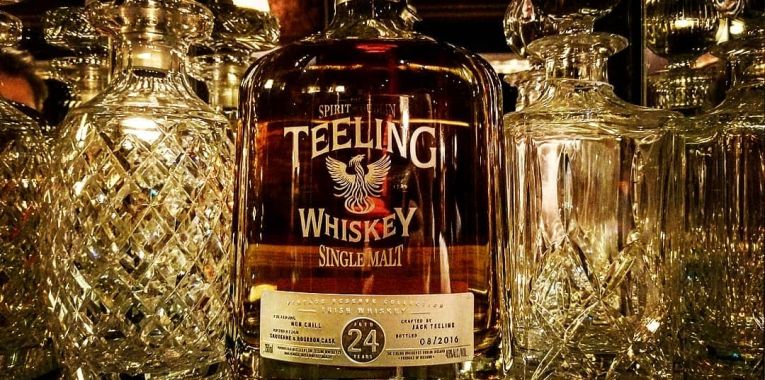
Whiskey Wednesday: Teeling’s 24 Year Old Single Malt Award

Awards are a fickle thing. Being the “best” is an arbitrary construct that essentially says that something followed the rules really well. Without a larger context the sentence “an Irish Whiskey wins best single malt in the world for the first time” doesn’t carry any meaning even if it is 100% factually accurate. Which it is. 

In March of 2019 the World Whiskey Awards, presented by the thedrinksreport.com, announced the Teeling 24 Year Old Irish Single Malt whiskey as the Best Single Malt in the world. Much of the conversation after this announcement was how Ireland had won an upset victory over Scotland, the home of Malt Whisky. Especially since an Irish Whiskey had never won this award before.  

But the World Whiskey Awards have only been handed out since 2012. Meaning there haven’t been many opportunities for an Irish Whiskey to make the list. Also, in 2014 the same awards selected a Taiwanese whiskey as the best single malt so there was already precedent for Scotland not being the top dog. 

It’s easy to see the headlines as mere clickbait but there’s a deeper story. Ireland isn’t traditionally associated with Single Malt whiskey, for a wealth of historical reasons, so they’re not going to traditionally win single malt whiskey awards. And while Irish Single Malt has been made for centuries if anyone was going to win an award it was probably going to be the Teeling’s.

The Spirit of Dublin

The Teeling family first got into the Irish Whiskey game in 1782 when Walter Teeling established a distillery on Dublin’s Marrowbone Lane, an epicenter of distilling at the time. This original distillery was eventually purchased by William Jameson & Co., cousins of the more famous John Jameson. This original distillery was shuttered in 1923 as economic woes began to systematically destroy the Irish Whiskey industry. In fact, by 1976 every single distillery in the city of Dublin had shut its doors. Then in 2015 Teeling reestablished itself in Market Square, not far from the family’s first distillery.  

Now, if you’re paying attention you’re probably asking, “How does a four year old distillery win an award with a 24 year old whiskey?” and the answer reveals another layer.

The new Teeling Distillery was founded by John Teeling and his sons, descendants of good ol’ Walter, and it was not his first time starting new Irish Distillery. In 1985 John purchased an old industrial alcohol production plant in Cooley and began converting it to an actual whiskey distillery. It reopened in 1987 as the Cooley Distillery and was the first “new” distillery in Ireland in at least a decade. 

Over the next several years the Cooley Distillery gained a reputation for quality and excellence in style. One of those being a distinctly Irish style of single malts. The Tyrconnell has always been one of my favorites, winning the International Wine and Spirits (IWSC) Gold Medal in 2004. They also gained a cult following with the Connemara, a peated Irish Single Malt, and the distillery quickly became a go to source for the slowly growing segment of drinkers looking for Irish Single Malt. After winning “Distillery of the Year” from the IWSC in 2008 and then the same award from Malt Advocate Magazine in 2010 the distillery was sold to Beam, now Beam Suntory, in 2011. 

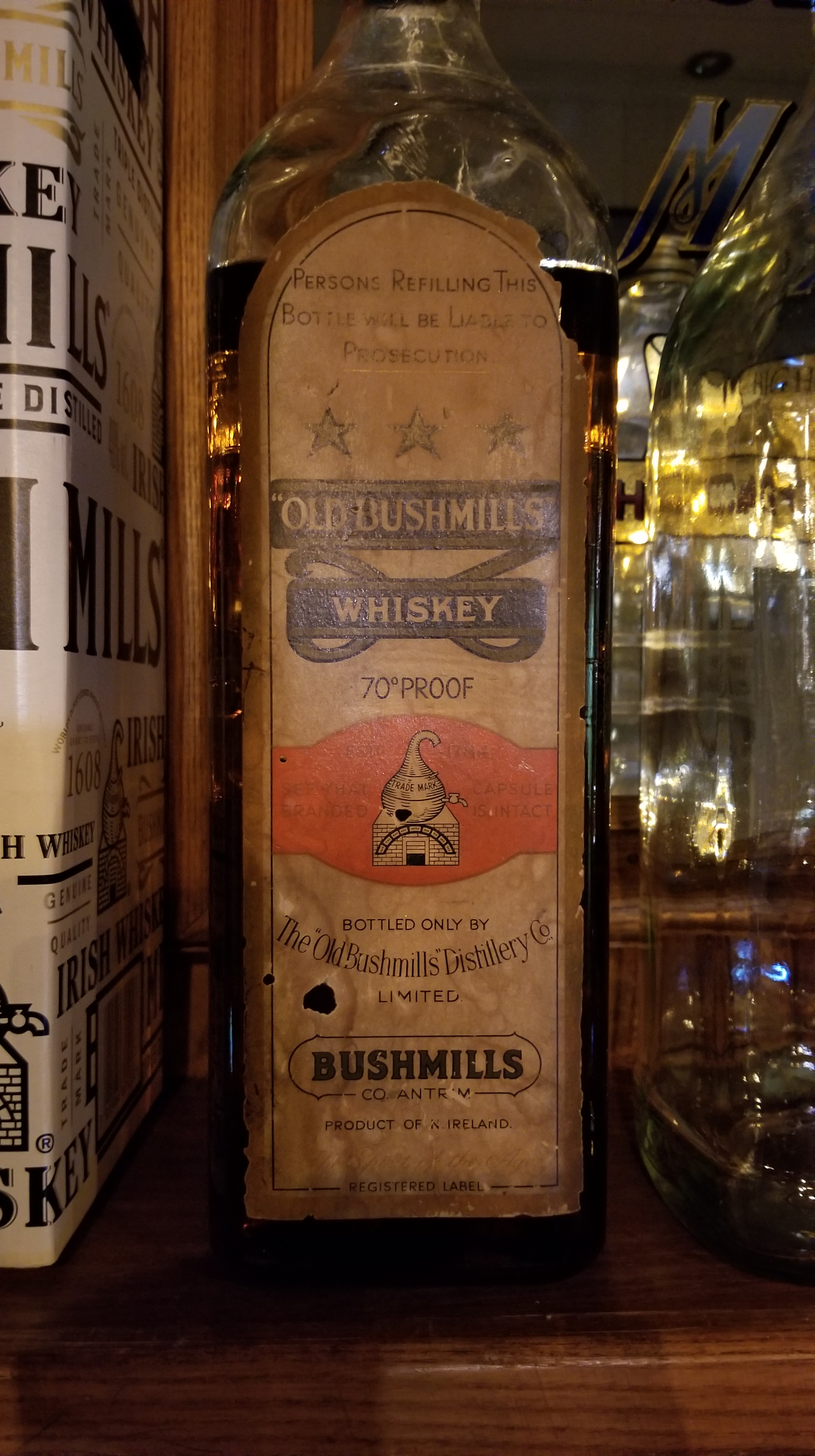
With all of this old Cooley whiskey I assumed that this bottle was old Cooley malt but after talking with people who know more about these things than I do it turns out that this is actually old Bushmill’s Single Malt.

As part of the sale Teeling kept 16,000 barrels worth of whiskey from Cooley and used that stock to establish the new Teeling brand in 2012, quickly followed by the new Dublin distillery three years later.

With all of this old Cooley whiskey I assumed that this bottle was old Cooley malt but after talking with people who know more about these things than I do it turns out that this is actually old Bushmill’s Single Malt. This adds yet another layer to the story as trying to pick apart who distilled, blended, aged, and otherwise had a hand in this whiskey over the years.

Here is a family, accustomed to winning awards winning another award on a whiskey that seems to have a foot in almost every part of the active Irish Whiskey world.

Whatever its providance the whiskey itself is a 24 Year Old Single Malt Irish Whiskey distilled in 1991. It was first aged in ex-Bourbon barrels before being married and further aged in ex-Sauternes casks. How much time it spent in each barrel type is unknown. Only 5000 bottles of 92 proof (46% ABV) non-chill filtered whiskey were produced, meaning that even if it wasn’t the best it’s still one of the rarest and oldest Irish whiskies on the market.

NOSE: Orange Zest, apricot, a slight nuttiness, and a bittersweet chocolate 

PALETTE: Honey and malt, bright stone fruit, leather, caramel and a sprinkle of saltiness 

FINISH: A long mellow finish that leans into the saltiness and the Sauterne finish 

After all that, is this the best Single Malt in the world? I have absolutely no idea. It certainly falls into the rich flavors that I expect from old, indulgent malts yet it also presents a few flavor curve balls and is surprisingly alive which helps it stand out. 

This is a malt that is relying on the past while building a future. It’s caught between multiple worlds and you can almost taste the journey it’s been on. Best may be a matter of opinion meant to generate buzz but the more I’ve learned about where this whiskey comes from the more interesting it’s become.
Whiskey Wednesday: The Old Bushmill’s Story

Irish Whiskey is my least favorite category of whiskey.

To be fair that’s only because I think about Canadian Whisky so infrequently that I genuinely forget that it’s a thing. Yet, there are some true gems in the category. Redbreast should be a staple at any bar. Tyrconnell Madeira Cask is one of my favorites bottles of any category, and I can’t count the number of shots of Power’s I’ve had. The problem is that these don’t define the category of Irish Whiskey. Accounting for 82% of sales in the United States Jameson’s Irish Whiskey is essentially the entire category of Irish Whiskey. And Jameson’s just isn’t for me.

            Call me elitist, I’m sure part of my distaste for Jameson is it’s ubiquity, but it isn’t very interesting to me. It’s light, forgettable and honestly a little harsh. And while I might love the aforementioned bottles the first two aren’t affordable mixers and trying to convince a Jameson drinker to have a dram of Power’s instead is a lesson in futility. People aren’t cold calling high end Irish whiskey the way they are Japanese, Scotch, or Bourbon so it becomes an afterthought. Which brings me to Bushmill’s.

            I got a call from friends at Half Full, The Daily Beast’s Food and Drink section, asking me what I thought about Bushmills. And my answer was, “I honestly haven’t thought about it in a while.” They then asked if I’d be interested in coming on a trip to film a documentary and explore Bushmill’s and I said of course because who doesn’t want an excuse to go to Ireland?

            But beyond the boondoggle of a trip there was a genuine curiosity. Irish Whiskey is currently the fastest growing spirit category in the world. The industry went from a measly four distilleries on the whole island in 2013 to 16 distilleries in production today with another 13 on the way. While these numbers pale in comparison to the sales and production numbers of Scotch and Bourbon clearly many people with a lot of money feel that this is not just single brand growth but a reemerging category. I wanted to see what was giving these people such confidence.

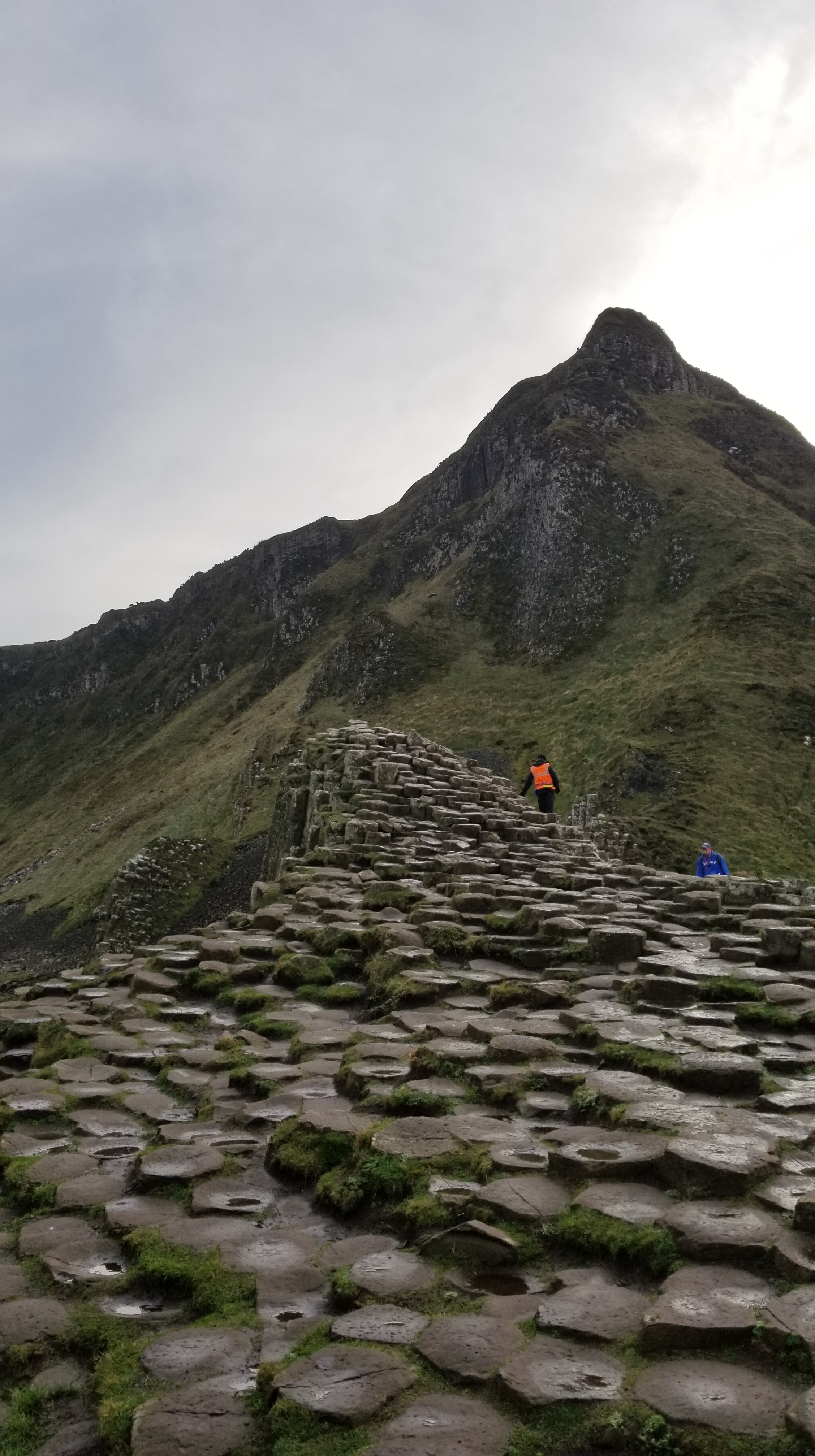
Giant’s Causeway

We spent two days at the Old Bushmills Distillery and the surrounding countryside. The distillery takes its name from the River Bush and all the water used on site comes from the rivers tribute Saint Columb’s Rill. Although the date 1608, the year King James I granted a writ to distill whiskey to Sir Thomas Philips, is emblazoned everywhere, the Bushmill’s Old Distilling Company wasn’t establish until 1784. No matter which date you take as the distillery’s origin Old Bushmill’s is the only distillery in all of Ireland that was in operation before 1974 and was one of the three that kept production alive.

Irish Whiskey has always been deeply tied to the American market and American Prohibition tanked the industry. 400 brands made by over 160 distilleries became three distilleries all owned and operated by a single group, Irish Distillers, with their purchase of Bushmill’s in 1972. Irish Distillers was purchased by Pernod Ricard in 1988 with Bushmill’s then purchased by Diageo in 2005. They began a massive ad campaign to gain market share  but even the largest liquor company in the world couldn’t seem to boost the brand and it was sold to Jose Cuervo in 2014 after Bushmill’s sold 1.3 million liter cases in the U.S. compared to Jameson’s 18 million.

Everyone loves a good underdog story and while technically being in second place Bushmill’s was a very clear underdog. A part of me was hoping I’d find some spark that craft spirit authenticity or other such nonsense that would make it worth the uphill battle to recommend Bushmill’s White Label over Jameson’s iconic green bottle. What I found out is that the White label isn’t what you should be drinking.

Old Bushmill’s bottle is old.

Bushmill’s is a single malt distillery. They age grain whiskey on site for blending but every drop of whiskey that’s distilled at the distillery is Irish Single Malt. This is unusual because most non-blended Irish whiskey is Single Pot Still, which is a distillate made up of  both Malted and Unmalted Barley. This style originated as a middle finger to the English who put a tax on malted barley in 1785. Despite the added expense Bushmill’s has only ever made Single Malt.  

Irish Single Malt is also distinct from (most) Scotch Single Malt in that it is triple distilled instead of double distilled. This creates a lighter whiskey as it’s gone through an additional set of cuts and stripping. This malt forms the base of all of the blends and single malt line at Bushmill’s . And every bottle of Bushmill’s is put together by the first female master Blender in all of Irish Whiskey history. She’s sitting comfortable with over 25 years of experience tripping across her palette and when she proclaims the 10 year old single malt to be her personal favorite there’s a weight that goes along with that statement.

The 10 Year Old fills a very interesting place for Irish Whiskey. It’s affordable, mixable, and quaffable on it’s own it could honestly be that missing midpoint for Irish whiskey that bridges the shots and the Super Premium category. Yet from what I tasted it the true gem of the line is the 16 Year old Single Malt.

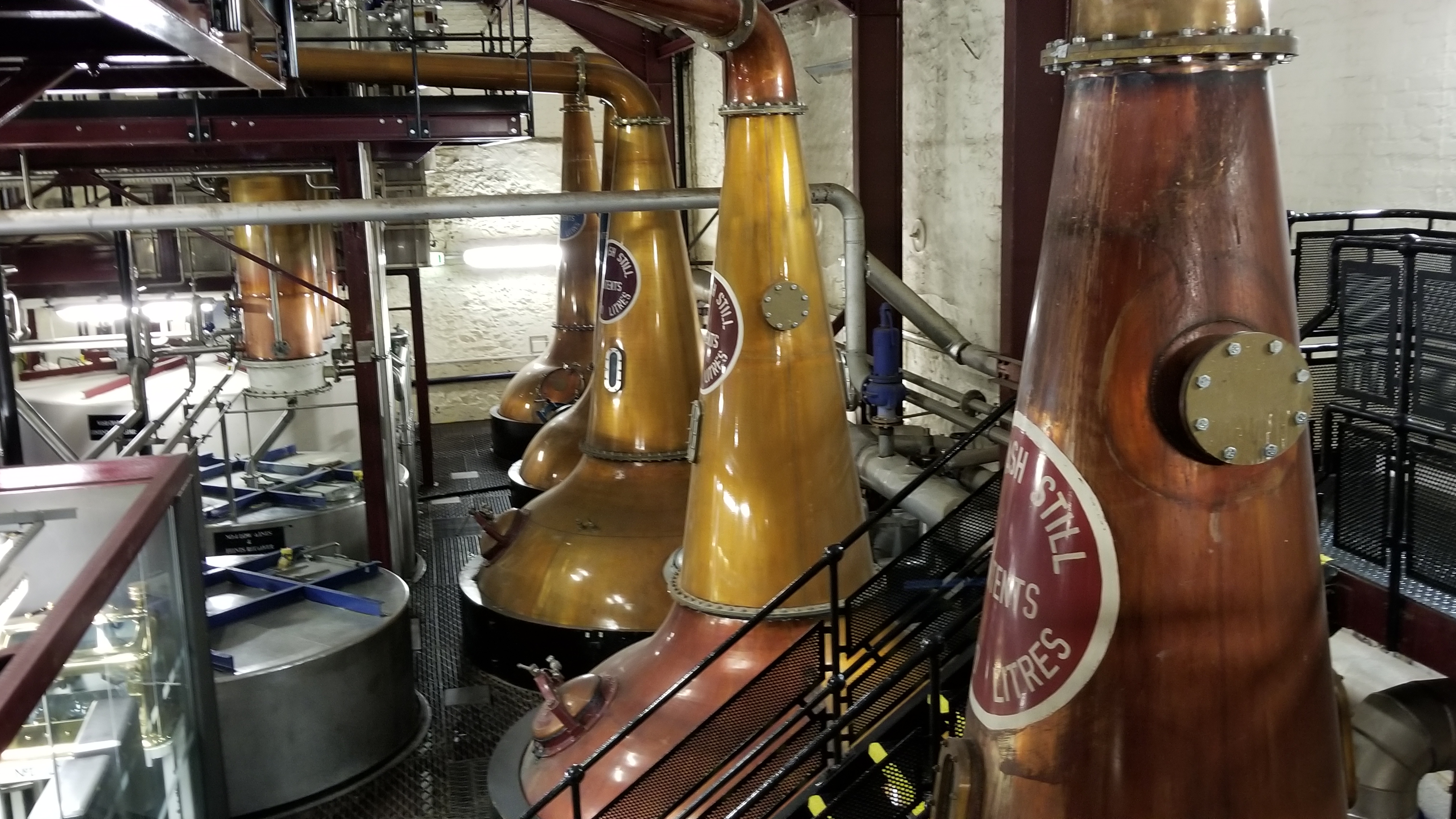
Pot Stills for days.

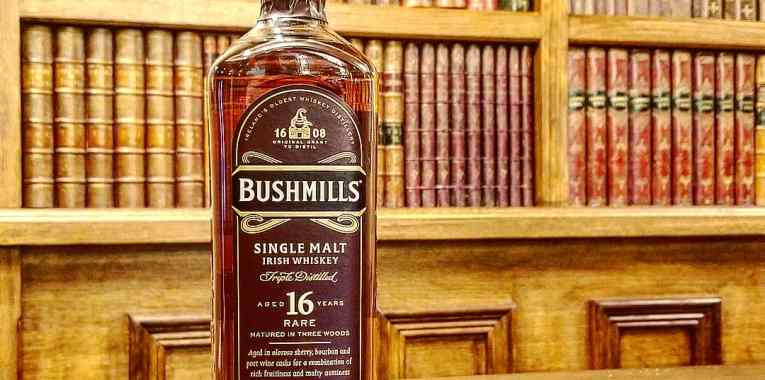
Aged for a minimum of 16 years a blend of ex-Bourbon and Olorosso barrel aged single malt is blended together and then further aged for an additional 6 months in used port barrels. It was the first thing I was poured after nearly 18 hours of travel and was one of those moments of surprise and disbelief at how good it was. In conversation with Noah Rothbaum, Senior Editor at Half Full, he expressed how it reminded him of the experience of discovering Hibiki 12 years ago before we drank it all-I had to agree with him. But not trusting my jetlagged senses I proceed drink at least a bottle over the next few days and to bring a bottle home for continued research.

NOSE: Dark Fruit, Raisin, Plum, and a touch of vanilla.

PALETTE: Dried Red Fruit, a slightly nutty undertone with a bright sherry through line to cut through the toffee, vanilla, and richness of the malt.

FINISH: Long and lingering, leaving the dried fruit and a slight amount of tannin and spice.

Ultimately I came away from Bushmill’s, and Ireland, with another story. A spirit is ultimately the distillation of the people who make it. A distillation of their culture, their taste, their landscape, and their time. Getting to know them, getting to experience them, ultimately opens doors to experience a spirit they way they do. In the end, Jameson is still my least favorite Irish Whiskey but, like life, whiskey is really shades of grey. A single dominant force can not define either. 

Whiskey Wednesday: Hitting Johnnie Green’s Stride

Johnnie Walker is a striding behemoth, straddling the world as the number one selling Scotch whisky brand. It’s so popular that “What makes Johnnie Walker Blue the best?” is a Google search autocomplete. It’s so popular that due to knockoffs and literal bootlegs there are more bottles of Johnnie Walker Black Label sold in India every year than are actually produced for the entire world.

            With this level of popularity the level of disdain and outright backlash for Johnnie Walker that abounds is almost inevitable. Something so popular could never actually be good. Yet, amongst its vast palette of labels there abides a quality and constancy that’s earned its place on back bars across the globe. It also contains one of my all time favorite colors and bottles: Green.

            Johnnie Walker, the Scotch Whisky, began its long walk in the 1819 when the father of John Walker, the actual Scotsman, died. The family sold their farm and invested in a grocery in Kilmarnock, Scotland in 1820. Grocery stores were a different breed in the 1800’s and many grocers would make their own house blends of whisky. This became much more prominent after the Excise Act of 1823 deregulated many of the laws on the distillation of whisky and more importantly greatly reduced the taxes on distilling and selling. In short order the teetotaling John Walker was selling his own blended malt whisky called Walker’s Kilmarnock Whisky. John passed away in 1857 leaving the company to his son Alexander Walker who would usher in the beginnings of the company’s global dominance.

This rise in popularity began with another act completely outside of Alexander’s control, the Spirit Act of 1860. For the first time it was now legal to blend malt and grain whiskies together, thus creating the blended whisky style that is the core of Johnnie Walker, as well as the vast majority of worldwide Scotch sales.

Alexander also took advantage of the newly arrived railroad to make connections with shipping captains to create a larger distribution network. This expanded shipping reach combined with a more approachable, lighter style of Scotch whisky literally made inroads with new drinkers.

            The increase in global shipping also led to the development of the iconic square bottle in 1860. The square shape allowed more bottles to fit in the standard shipping containers as well as greatly reduced breakage during transit. Alexander was also responsible for tilting the label at its jaunty angle across the bottle allowing for larger print as well as making the bottle more recognizable from a distance.

            It was the Third Generation of Walkers that added the final touch with a rebranding in 1909 that first saw the “Striding Man” added to the labels. They also had the companies three blended whiskies officially renamed to White Label, Red Label, and Black Label. The White Label was dropped during World War I but the Red and Black remain the core of Johnnie Walker to this day.

            With demand for Johnnie Walker Scotch spread across 120 countries the company began purchasing single malt distilleries to ensure  consistent supply and blends.  Beginning with Cardhu in 1893, they followed it up with the Coleburn Distillery, The Clynish Distillery and Talisker, before capping it off with the legendary Mortlach Distillery in 1923. Then in 1925 the company joined Distiller’s Company, which was purchased by Guinness in 1986, which then merged with Grand Metropolitan in 1997 to form Diageo, the largest liquor conglomerate in the world. 1997 is also an important year because it marks the reintroduction of Blended Malt Whisky to the Johnnie line up. Originally called Johnnie Walker Pure Malt my favorite bottle received its chromatic designation as Green Label in 2004.

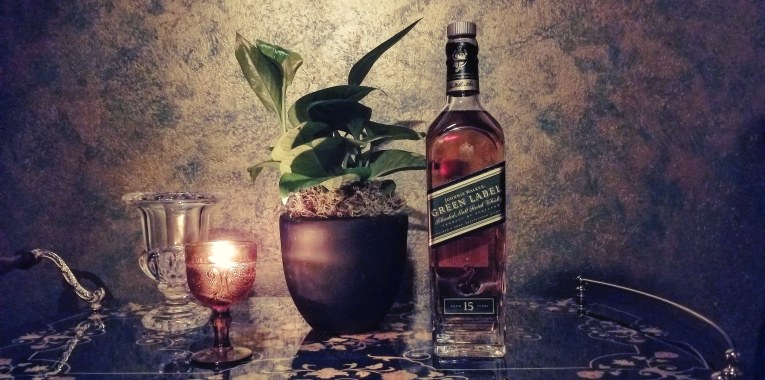
            In a lot of ways the Green Label is a return to that very first John Walker blend. Being a blended malt it is comprised of completely single malt whiskies, which means none of the grain whisky that Alexander introduced and the helped spread the brand across the globe. Diageo is vague on the specific details, listing it as a blend of malts from the Speyside, Highland, Lowland, and Scottish Isle malts which is essentially saying it’s made up of Scotch from Scotland. But digging deeper you can find the names Cragganmore, Linkwood, Caol Ila and Talisker as the primary malts. It also carries a 15 year age statement, meaning the minimum age of every malt in the blend is at least 15 years old, making it one of the oldest constantly available Johnnie Walker blends.

            In a lot of ways this blend is at the root of Johnnie Walker’s history which is why it’s so surprising to me that it’s always felt like the redheaded stepchild of the family. It was “discontinued” in the Western markets around 2012 with plans to focus the brand in Asia. A massive shift in Chinese regulations brought the brand back globally in 2016. Yet it is still often passed over, ironically, because it isn’t as ubiquitous as the Black and Blue.

            Or maybe it’s a victim of Johnnie’s success. The sun never sets on the empire of Johnnie Walker yet it is an empire built on that addition of grain whisky to its single malt base. It’s a lighter style with more mellow flavor and the Green is rich and almost overly opulent in comparison. Someone who enjoys Black label might not find the Green to be their cup of tea. On the flip side the type of drinker that would truly love an aged-stated, blended malt is probably also the kind to turn up their noses at the mere mention of Johnnie’s name.

            Or maybe it’s that people still don’t truly understand what a blended malt is. It’s a misunderstood style just like Green Label is a misunderstood bottle. But the fact that it is so misunderstood and overlooked just makes it all the more endearing to me. I’ll gladly quaff a dram when I can find it.

NOSE: A light touch of seaside smoke, vanilla, dry oak and baking spices

PALETTE: Decadent and rich. Raisins, dried plums with a touch of that seaside air and a whiff of sherry. Slightly nutty, with a bright mid palette.

FINISH: A relatively quick, clean finish that leaves a lighter impression that the rest of the experience. It ends with lingering oaky sweetness mixed with a hint of smoke.

Whiskey Wednesday: The Declaration of Jim Beam’s 200th Anniversary.

“We hold these truths to be self-evident, that all men are created equal, that they are endowed by their Creator with certain unalienable Rights, that among these are Life, Liberty and the pursuit of Happiness. — That to secure these rights, Governments are instituted among Men, deriving their just powers from the consent of the governed, — That whenever any Form of Government becomes destructive of these ends, it is the Right of the People to alter or to abolish it, and to institute new Government, laying its foundation on such principles and organizing its powers in such form, as to them shall seem most likely to effect their Safety and Happiness.”

There are some words, some achievements, that are worth celebrating, even if their modern iteration doesn’t live up to its ideals in the popular imagination. It’s hard to find a more iconic American brand than Jim Beam. It’s the #1 selling Bourbon in the world and in many ways the Beam story, both that of the family and of the whiskey, parallels the story of America.

download-3.jpgThe story begins with members of the Böhm family, German immigrants who would latter change the spelling of their name to “Beam,” settled in the Kentucky territory in the late 18th century. The family patriarch, Johannes “Reginald” Beam, was a farmer. And like many farmers of the time he started producing corn whiskey as a way of preserving crops. This side venture lead to the first Beam whiskey to start flowing from the Old Tub Distillery in 1795.
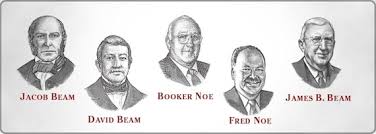
Known as Old Jake Beam Sour Mash, this whiskey proved successful enough that when David Beam took over the family business not only was he able to expand the distribution he was also able to construct a new distillery in Nelson County in 1854. This move came amidst an industrial boom in the country which allowed for modernization of production, and the move to Nelson County allowed for greater use of the massively expanding rail system in the States.

The eponymous James Beauregard Beam over saw the family business both before and after the Great Failed American Experiment of Prohibition. Prohibition interrupted the family production but James was able to rebuild the distillery in 1933 in Clermont, Kentucky in a mere 120 days. It was at this point where “Jim Beam” entered the international lexicon and a member of the Beam family has been at the still, and half the other whiskey stills in the country, ever since.

download-2.jpg

The Beam family has spearheaded this spirit for over 220 years now. However, the actual company hasn’t been owned by a Beam since 1945 when it was purchased by Harry Blum, a Chicago Spirits Merchant. It’s changed hands several times throughout the decades but currently it is a subsidiary of Suntory Holdings known as Beam Suntory. The most American of products is now owned by the second largest international beverage corporation in the world.

Flash back to the mid 90’s. Bourbon wasn’t the hip, award winning, auction breaking behemoth that its turned into today, yet it was still worth celebrating. In 1995 Beam released a 200th anniversary edition decanter and it’s like a little time capsule of Bourbon Past crossed with where Bourbon Future.

Decanters used to be the industry gimmick. When no one wanted to drink Bourbon you made the bottle so irresistible that you had to snatch it up. Compare that to the specialty releases of today where a warehouse surviving a tornado is cause for an award winning bottling.

It was a unique bottling. Bottled at 95 Proof and aged for 75 months, also known as 6.25 years. A higher than standard proof and emphasize on aging, albeit in an archaic ,confusing way. Yet ,the most interesting difference is that there is almost no information about this bottle online. No mashbill info, no tasting notes, and only a smattering of secondary market offerings.

We can assume this was the standard Beam mashbill, which puts us at something like a 76% Corn, 12% Rye, 10% Malted Barley with a #4 Barrel Char.

On the nose there is a farm house quality, along with a dusty oak and touch of sweet caramel. The palette gives way to a familiar barrel char, dark stone fruit, and a lively backbone. The liquid is still very much alive even after 20 years in the bottle. The finish is clean and lingers for just an extra moment and leaves the yeasty, dusty feel that, to me at least, is an indelible part of the Beam DNA. In the end this is a bottle that simply, and eloquently, celebrates the style of whiskey that Jim Beam made, makes, and continues to make.

The Declaration of Independence was a larger enough summer blockbuster that it will inevitably get a sequel. And I hope that this time we truly do mean all humankind are created equal, and that the casting is colorblind.

This is a whiskey made by a family of immigrants, who traveled to a new country, set down roots and became synonymous with one of the most iconic, and living, pieces of Americana to ever exist. A hometown hero on the international stage. I just returned from a trip to the Cook Islands which is in the middle of nowhere South Pacific and they had one bourbon: Jim Beam. Yet, this All American Bourbon isn’t even American owned. To me this doesn’t take away from it’s Americanness, in fact in just speaks to how tightly we are tied to the rest of the world. No matter how much we fight it, there is no “Us” and “Them” any more. We’re all in this together.

As I sit sipping this whiskey musing on the fireworks, hot dogs, and pool side celebrations I can’t help but think that the Declaration of Independence was a larger enough summer blockbuster that it will inevitably get a sequel. And I hope that this time we truly do mean all humankind are created equal, and that the casting is colorblind.

Open Bottle: Chartreuse V.E.P and #1605

If you haven’t noticed America is a little odd. We like doing a lot of things backwards. Like our current administration- or how in most of the world writes the date as day/month/year, which helps explain why May 16, or 16.05, is world Chartreuse Day.

IMG_3595.JPG

If you’re unfamiliar, Chartreuse is a liqueur made by the Carthusian Monks in the French Alps and is often considered bottled magic by many in bartending community. It’s a thing of myth, medicine, and history. It’s history starts in the year 1605.

The Carthusian Monks are an order of working monks, which means that rather then devoting themselves to missionary work they devote themselves to contemplation, prayer, and solitude and maintain that lifestyle by working.  Since the order was founded in 1084 they’ve made many things but the one they have been world famous for making for centuries is Chartreuse.

The production of Chartreuse carries all the mystery you would expect from an organization a thousand years old and devoted to quiet prayer and meditation. The recipe is based on a manuscript thought to be gifted to the monks by Francois Hann

IMG_3613.JPG
Élixir Végétal de la Grande-Chartreuser

ibal d’ Estrées, a cousin of the king at that time, which supposedly contained the recipe for “the Elixir of Long Life.” It was the high time of alchemy and the monks went to work decoding the manuscript of 130 herb and botanicals, yet the first Élixir Végétal de la Grande-Chartreuse didn’t appear until 1737. This seems like quite a gap but keep in mind the world wasn’t as connected as it is these days. Ingredients listed in the manuscript weren’t all native to the French Alps, and once the spice trade brought many of them into circulation it wasn’t a simple matter of following a tried and tested recipe. It was a lot of “a pinch of this” and a “bag of that” things that required balance.

The first Elixir, at nearly 140 proof, was sold as medicine, and is still available in French drugstores as such, and was sold from the back of mules in very limited supplies to the villages around Grande-Chartreuse. However, despite limited availability it proved so popular that the monks set about to create a more “mild” drinkable version. A liqueur of green color, at a mere 110 proof, began to be sold in 1764 and its legend grew from there. A yellow version was introduced in 1838, a defunct “white Chartreuse” was sold from 1886-1900, the monks were forced to flee post

StGermain.JPG
The O.G. St. Germain Cocktail: Green Chartreuse, Grafruit, Lemon, and Egg White

Revolution France and moved operations  to Tarragona for several years before returning to France, and then the V.E.P. (“Viellissement Exceptionnellement Prolongé”) was released in 1963. And this doesn’t account for the varieties available overseas that aren’t available in the United States. Most of which aren’t available because the F.D.A. wants to know what goes into Chartreuse and the monks are understandably closed lipped about a 400 year old recipe. The sales of Chartreuse fund all of the Carthusian Monasteries across the world and the U.S. is the second largest market for Chartreuse in the world. Understandably the company in charge of selling Chartreuse for the monks didn’t want theTTB to pull the product so they have a stalemate. The TTB grandfathered the Yellow, Green, and V.E.P.s into the country with the understanding no other Chartreuse iterations would be imported.

But what makes Chartruese so compelling in the first place? First, is the romance. Who doesn’t love a product made based on an ancient manuscript, containing 130 different botanicals, from a recipe known by only two monks who have taken a vow of silence? It’s the Coca-Cola of the booze world. But, also it’s the complexityIMG_3610.JPG of the spirit.

Chartreuse is made from 130 different botanicals. The Green uses a sugar beet base distillate while the Yellow uses a grape- spirit base (the Yellow also lowers the proof to 80, and uses more saffron and distilled honey as a sweetener). These herbs and botanicals grant a natural complexity but because Chartreuse is created by distillation and maceration it is the only spirit in the world to continue to evolve inside the bottle. Those ingredients continue to interact in unknown ways making old bottles truly unique and sought after.

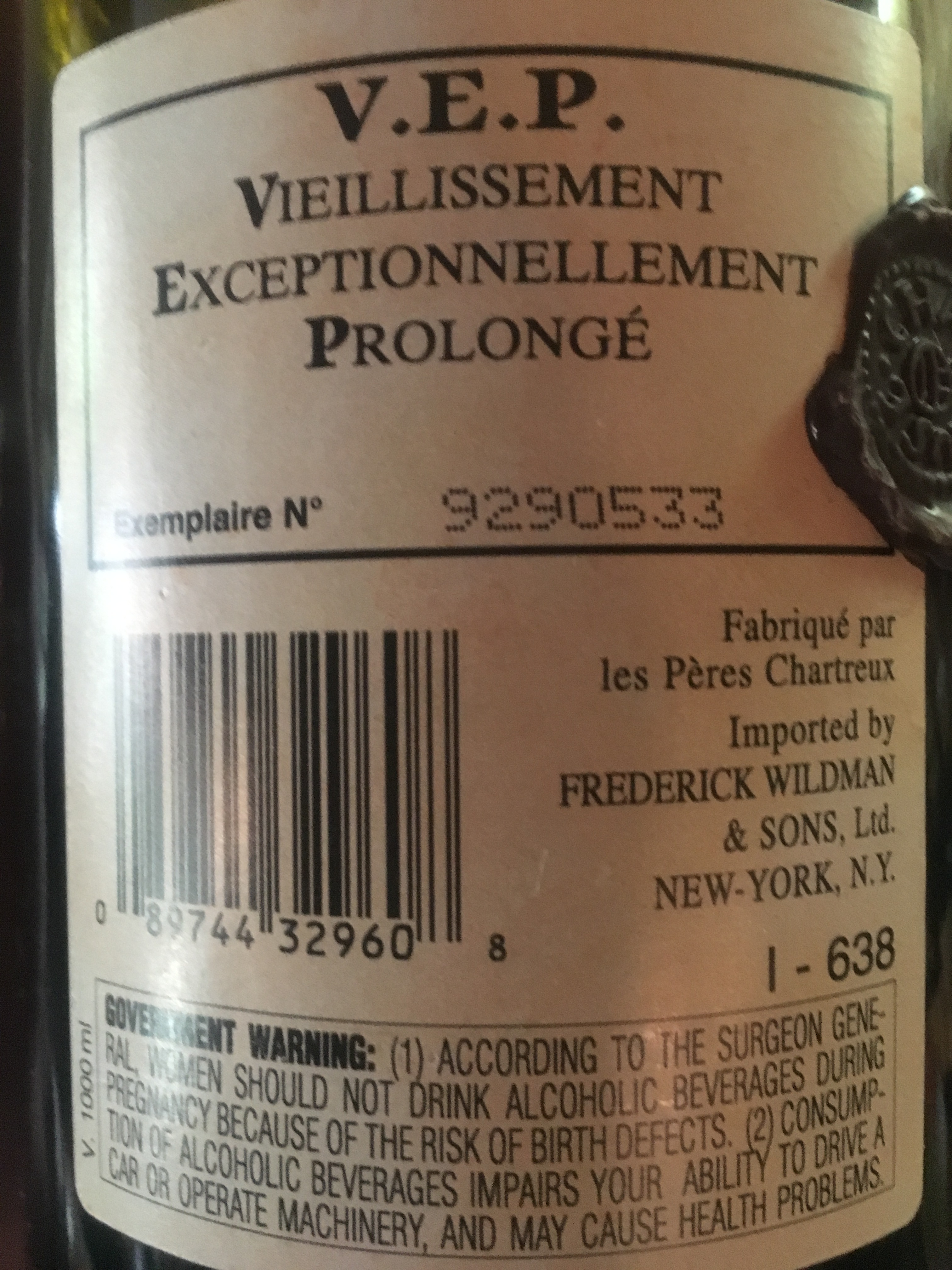
Standard Chartreuse is aged for 3-5 years in the largest liqueur aging cellar in the world (read: ONLY liqueur aging cellar in the world)  The V.E.P.s are aged from 11-20 years and while they carry no age statement you can determine a least the date of the bottling by adding 1084 to the first three digits of the numbered code on the back of the bottle.


IMG_3614.JPG
929 + 1084 = 2013

While the Yellow V.E.P. tends to be the fan favorite (a good friend once described it as “liquid space honey”) I’ve always been partial to the Green, probably because it is 108 proof. My open bottle was released in 2013 and is noticeably richer than the standard Green. Not because there’s a larger oak presence, the barrels are essentially neutral containers at this point, but because the botanicals have had more time to mature. The menthol quality takes a back seat as the warm baking spices ride along the pine and gentian notes to end on a dark, baked fruit note that leaves a sense of weight to the inside of your mouth. Drinking the Green V.E.P. is what I imagine history tastes like: bitter-sweet, earthy, slightly spicy, and heavy with the weight of time.

Chartreuse remains interesting today not just because of it’s history, or because it’s the father of an entire categorization of spirits but because of it’s complexity. And it’s impressive that the spirit can be so well understood and utilized in mixed drinks despite the lack of knowledge of how it’s produced. Sometimes the mystery is the magic and some times that magic creates complexity.

But my absolute favorite thing in the long tale of Chartreuse is that the spirit was so popular and recognizable that the color Chartreuse is actually named after the spirit. That is cultural impact at its finest.


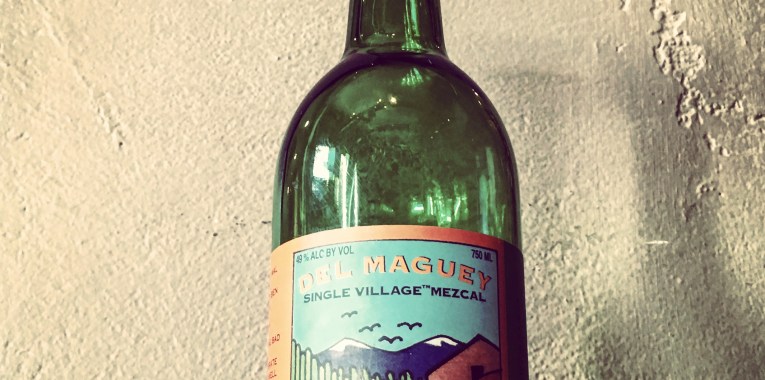
Open Bottle: Del Maguey Barril

Agave is an odd category to me. There is an abundance of good agave products pouring into Los Angeles but unlike whiskey, or even brandy and cognac, I often encounter what feels like an active, willful ignorance from people drinking tequila and mezcal, both in terms of education and general understanding of the spirits..

Requests for mezcal margaritas out number the requests spicy margaritas in my bar these days, but if a customer orders a tequila and I ask them if they’d like a blanco, reposado, or an anejo their eyes glaze over as if I was speaking a foreign language. I can’t imagine what would happen if they requested a mezcal and I asked them if they’d prefer a barril, madrecuiche or a tepezate. And this isn’t me being difficult for the sake of being difficult. These are the same types of questions I ask if someone requests a “whiskey” or a “scotch.” The proliferation, and premiumization, of agave has almost exacerbated the problem. People know that they want it even if they don’t know what “it” is.

If a customer orders a tequila and I ask them if they’d like a blanco, reposado, or an anejo their eyes glaze over as if I was speaking a foreign language.

This isn’t meant to ignore the inroads the category has made. I remember drinking mezcal out of a plastic jug that my collage roommate brought back from Texas and I can still feel that punch in the chest. With the category, and quality, growing so rapidly in the US and Mexico, greater education is needed.

And we wouldn’t be talking about mezcal at all if it weren’t for Del Maguey.

I know it’s hip to hate on the iconic green Del Maguey bottles these days. We’re always looking for what’s new and hip, and at 20 years old Del Maguey is the dinosaur of the mezcal world. But with out them we don’t even get a mezcal category in the U.S.- yet, to most “in-the-know” bartenders that I meet they’re just simply not a cool brand. I blame the Vida for this.

Everyone who’s had mezcal has had Vida. There were no other viable well options for a long time but let’s be honest, the Vida ain’t that great. I still enjoy it more than many other “mixing” mezcals , like say El Silencio, but both of them are stripping out something essential in the process. They may end up being more approachable but they also feel watered down and for the average consumer they end up associating that distinctive green bottle with that level quality.

That’s not to say Del Maguey doesn’t have an eye for quality. The Chichicapa is one of the best mezcals I’ve ever found for mixing and is an invaluable tool to open people’s eyes to the possibilities of what mezcal can taste like and the Santo Domingo Albarradas is to this day one of my favorite sipping mezcals.

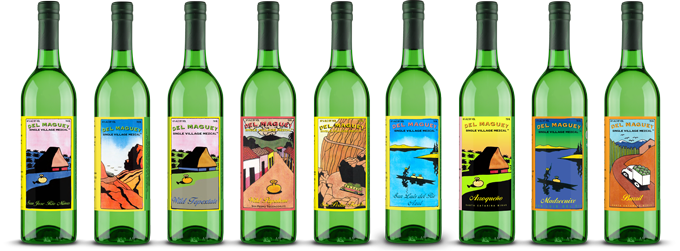
But with 21 different products available, some named for the village of production and others for the species of agave they’re not necessarily helping simplify the category. I don’t blame them though. They are just incredibly excited about excellent mezcal and want to share everything they find with drinkers outside of its native village.

Take, for example, the Del Maguey Barril.

It’s part what’s known as the “Vino de Mezcal” series. It’s a term borrowed from the history of agave. Before there were rules on what made something a “Tequila” or a “mezcal” agave spirits were simply called “Vino de Mezcal.” If you’re wondering why they weren’t called “Vino de Tequila” it’s because technically Tequila is a type of mezcal. But that’s a conversation for another day.VinoDeMezcalSeries680.png

For the Del Maguey lineup “Vino de Mezcal” means limited. It’s mezcal that are very terrior driven but can only be produced in limited quantities. The Barril is a single varietal and literally means “barrel” which describes the size and shape of this particular agave varietal. The plants are all 15-20 years old, were fermented for thirty days and then were twice distilled on a clay still with bamboo tubing by Florencio “Don Lencho” Laureano Carlos Sarmiento, an 80 year old palenquero. A palenquero is a nifty word for “mezcal maker.”

It carries that clay minerality over into the liquid. It’s slightly salty, yet fragrant at the same time. There is a green vibrancy that is earthier rather than fruity while still remaining juicy. In the end, it’s a great example of what the world of mezcal can offer to drinkers of barrel aged spirits. It entices them in with some familiarity but then throws open the doors to what is beautiful about the differences.

How do I know all of this? Through tasting and having conversations with people who know more than me but also because the technical details are all right there on their website. You don’t get to be the granddaddy of your spirits category with out recognizing the education problem on your own.

I certainly don’t claim to be an agave expert. I’m just an enthusiast that is looking for a way to bridge that knowledge gap. I want to find a way to start a conversation that will keep mezcal from just becoming “smoky” tequila. And I’m open to suggestions.


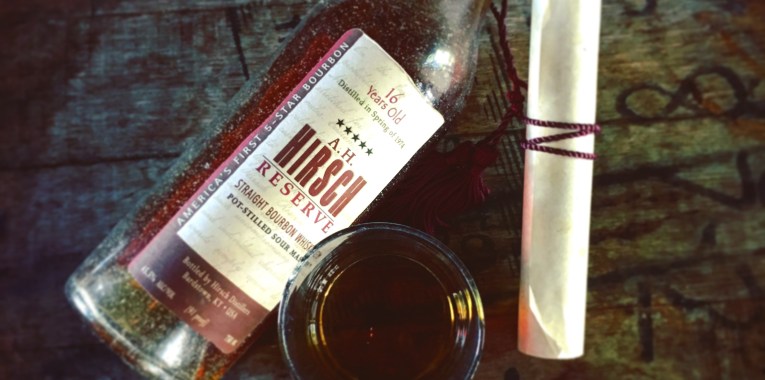
Open Bottle: A.H Hirsch Reserve 16 Year Straight Bourbon Whiskey

I’m absurdly lucky in my line of work. I get to taste things that are often considered legends and even more exciting get to stock them at the bar occasionally. Most of these bottles are outside the scope of being able to feature them on a typical Whiskey Wednesday but they all have a story, and all of them are open. So, I’m going to take advantage of this abundance of good fortune and drink my way through them and let you vicariously drink through me.

For our first go around we got a real unicorn of a bottle: the A.H. Hirsch 16 Year Straight Bourbon whiskey. This bottle, along with the original Pappy Van Winkle releases, are what kicked off the super premium Bourbon trend. There’s a great book about its full story called The Best Bourbon You’ll Never Taste by Chuck Cowdry so we’ll do the abridged version here.

Our story begins in a small farm outside of SchaferstowMichter's Ruins.pngn, PA in 1753. John Sheck was doing what most farmers did at the time and was simply distilling as a way to maximize his harvest and make a little extra cash from excess grain. There was no formula to it. But over the next 163 the family grew this small operation into a full blown distillery until they were forced to close the doors in 1919 due to the beast that was Prohibition.

During Prohibition the distillery and farm was sold to a local farmer who more than likely kept the stills warm with a few runs despite Prohibition and after repeal distilling commenced in full force yet again. The distillery changed hands several times in the next few years before being bought by the Schenley Corporation. Schenley was to the American spirits world of the 1940’s what Diageo is to world spirits today. Which is appropriate since Schenley was sold to Guinness in 1986 and Guiness’ merger with Grand Metropolitan in 1997 was the birth of Diageo.

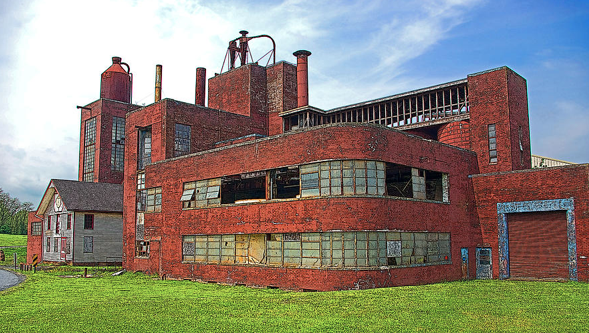
But well before then the distillery had changed hand yet again, this time to Pennco Distillers, and was now know as the Michter’s Distillery. They had new owners, a new IMG_1970.JPGbrand, and Charles Everett Beam, of the Beam family fame, as master distiller. They were ready to rock and roll. Yet despite having limited success with the Michter’s Sour Mash Whiskey (which may or may not have been pot stilled) and being named a National Historic Landmark in 1980 the demand for Bourbon just wasn’t there. What may have been the oldest distillery in the United States closed its doors for good in 1989 and is now just a collection of abandoned buildings.
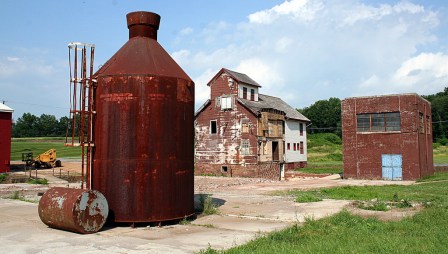
What does any of this have to do with Hirsch? In the spring of 1974 A.H. Hirsch was one of the major investors in the distillery. And as you may have heard the ‘70s were not a good time for American whiskey and the distillery was strapped for cash. Rather than invest more money into the distillery Hirsch commissioned Charles Everett Beam to make him a whiskey. It was a different mashbill than the sour mash Michter’s was making at the time. It was a true Bourbon and the run produced a measly 400 barrels. This commission did two things: it gave the distillery a quick influx of cash and gave Hirsch an investment that he could sell no matter what happened to the distillery in the future.

14555129485_c0f8ededa1_b.jpg                  And Hirsch never cashed that investment in. Oddly he left it aging in the warehouses, paying taxes on all 400 barrels until the distillery shuttered. Now sitting at a solid 16 years old, ancient by Bourbon standards at the time, Hirsch finally took position and sold of the stock.

The new owners transferred the whiskey to stainless steel tanks to prevent further aging and started bottling the whiskey, naming it in honor of A.H. Hirsch himself. And in another quirk of the incredibly small whiskey world some of the first bottlings were done by Julian Van Winkle III at the same bottling plant he would latter start bottling another famous whiskey named after his Pappy.

The whiskey hit the shelves at around $50 a bottle, again astronomically high for the time, but it turns out it was damn good. Deep leather and tobacco, with nougat  and dried cherry and orange. It’s literally history in a glass. It can never be recreated. The moment in time, and even the distillery are long gone. Unlike your Pappy Van Winkle’s or George T. Stagg’s this piece of Americana will never come around again.

People loved it. It’s a prime example of the excellence that can come from extra aged American whiskey. The bottle became a legend and definitely fueled the love for old Bourbons, and their price tags.
Once, Preiss Imports discovered the following for Hirsch they pulled the last remaining bottles and repacked them in a massive collectors edition with a more massive price tag. It was still possible to order A.H. Hirsch for your bar. If you were willing to shell out for it.

So does it live up to the hype? It’s impossible to say. This bottle is so wrapped up in its history that I can taste it right there next to the oak and vanilla. Despite Chuck’s claim that it’s the best you’ll never taste it’s still out there. And you should taste the history. But, don’t cling to the past. A.H. Hirsch had it’s moment in time. The next moment is out there.