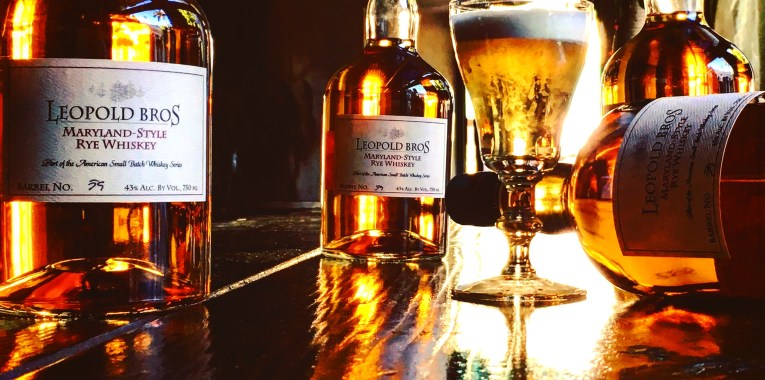
Alright nerds, here’s a good one for you today. Maryland Style Rye.
Before the advent of the ‘Great Experiment’ that was Prohibition there were two dominant styles of American Rye Whiskey. The Pennsylvania Style (spicy, dry, and oaky) and Maryland Style, which was more floral, fruit forward and less aggressive. Among the many great things that Prohibition destroyed, Maryland Style Rye was one of them.
But the boys at Leopold Brothers, are fighting the good fight and trying to recreate the style in the only way they know how: with exceptional quality and attention to detail. While ye olden Maryland Ryes often achieved their more mellow nature and fruit flavors from additives and prune juice, the brothers are following their eco-distilling nature and recreating the flavors through careful distillation and selection of yeast strains to create a wholly unique product. They’ve even had an old time compound still made exclusively for them, and are working with local farmers to grow late 1800’s style rye, which has a completely different flavor and starch content than it’s modern descendant.
While we’re still waiting on the first batches off the new still, the current bottling shouldn’t be ignored. Young, but light and green. Green as in like biting into a huge green apple, apricot, and stone fruit. All supported by a rich chocolate malt rounding out to a juicy and more mellow finish than your more familiar ryes.
And I’m feeling inspired recently so lets bust out some old tricks with The Santa Anas: Leopold Maryland Rye,Chai Infused Cocchi, Dry Vermouth, Homemade Apricot Bitters and a Smoked Orange Foam.
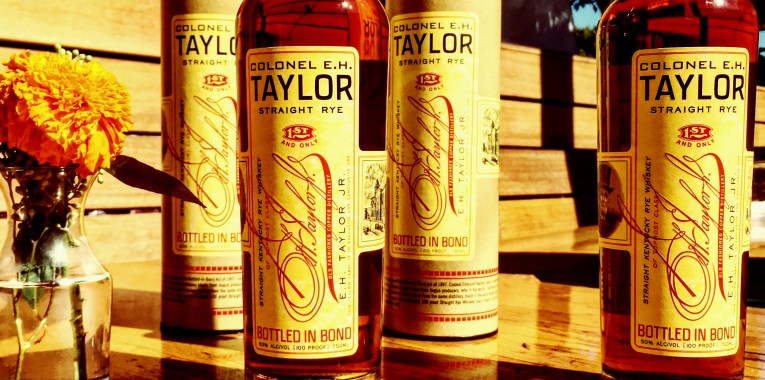
 presidents, Taylor purchased a small distillery that he named O.F.C. He modernized the facility with copper stills and climate controlled aging warehouses that are still in use today. Not content there, Taylor was also pushing through one of my favorite pieces of government legislation: the Bottled-In-Bond Act of 1897. It was like the Pure Food and Drug act, but a decade earlier and for booze. The government would guarantee the whiskey met certain minimum quality controls and in return the distillers agreed to a new tax structure. It’s still in effect today but what it mostly means for us now is that the spirit meets all the legal requirements for that type of whiskey, is a minimum of four years old, and bottled at 100 proof. Quality control.
 Back to the present. How does the new release match up? The spice is still there, laced with cinnamon, clove and baking spices. The apple is less predominate and it seems to lack the deeper, warmer through line that made it such a surprise last year. It’s a subtle thing and it’s hard to tell if it’s an actual difference or just a trick of the mind influenced by expectations. Either way it’s still a delightful dram. And when your competition is yourself how can you lose?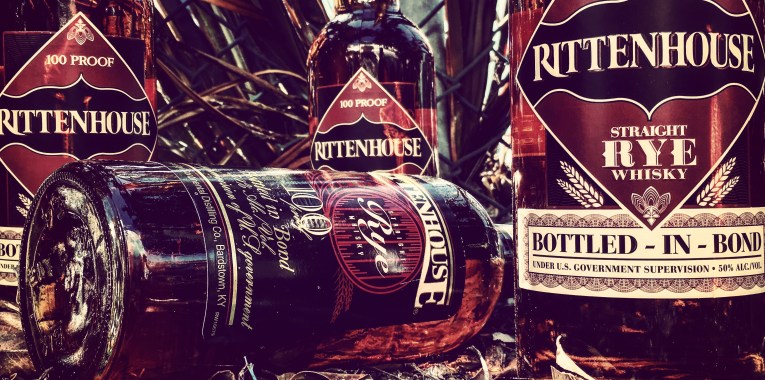
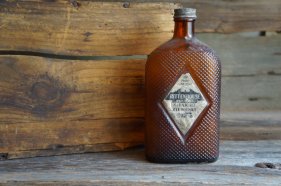 Prohibition as Rittenhouse Square Rye. Over the years it evolved. The whiskey got older and was eventually released as Bottled-In-Bond in the 40’s putting the governments quality control stamp on every drop you drank. But the decades were not kind and a World War, the collapse of the American Whiskey industry, and the rise of Vodka tried to push the brand down. It was kept alive by leaving it’s Pennsylvania birthplace and started rolling of the production lines at Heaven Hill in the heart of Bourbon country Kentucky.


 Bottled In Bond LA