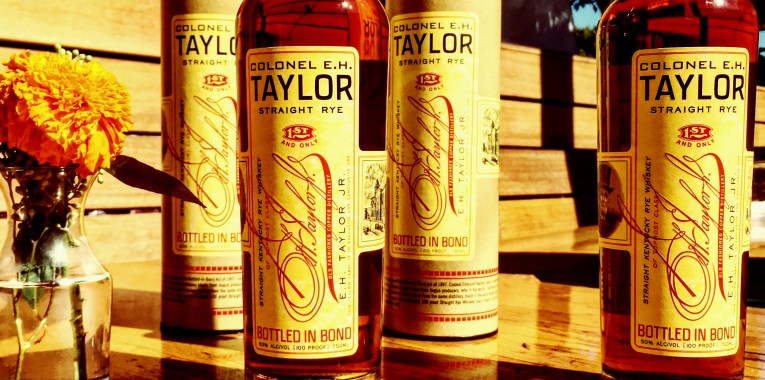
One of my favorite surprises from last year was the E.H. Taylor Bottled-in-Bond Rye. Not a new brand by any means but revisiting it last year the whiskey stars had aligned and a spice bomb full of deep apple, cherry and a crackling white pepper leapt out of the liquid. I wasn’t the only one to notice, people drank it up. Literally. And the whiskey devils of supply and demand meant that this years release was in even smaller supply. So, lets go back and revisit again. But first, the history lesson!
Col. E.H. Taylor is an actual whiskey making legend. The descendent of two different  presidents, Taylor purchased a small distillery that he named O.F.C. He modernized the facility with copper stills and climate controlled aging warehouses that are still in use today. Not content there, Taylor was also pushing through one of my favorite pieces of government legislation: the Bottled-In-Bond Act of 1897. It was like the Pure Food and Drug act, but a decade earlier and for booze. The government would guarantee the whiskey met certain minimum quality controls and in return the distillers agreed to a new tax structure. It’s still in effect today but what it mostly means for us now is that the spirit meets all the legal requirements for that type of whiskey, is a minimum of four years old, and bottled at 100 proof. Quality control.
Taylor sold the distillery to George T. Stagg in 1904 and the whiskey brand named after him bounced around in the decades after prohibition until in 2009 it was brought home to O.F.C., now known as Buffalo Trace. They repacked the whole line up as Bottled-In-Bond whiskies in homage to its namesake and it’s all aged in Warehouse C, one of the Warehouses built by Taylor in the 1890s. The rye goes even further and is made from a different mashbill than the regular Buffalo Trace rye. It drops the corn completely and is made from 65% rye and 35% barley which is why it was such a major spice bomb.
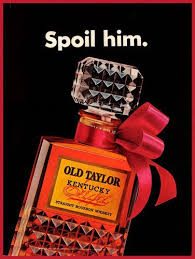 Back to the present. How does the new release match up? The spice is still there, laced with cinnamon, clove and baking spices. The apple is less predominate and it seems to lack the deeper, warmer through line that made it such a surprise last year. It’s a subtle thing and it’s hard to tell if it’s an actual difference or just a trick of the mind influenced by expectations. Either way it’s still a delightful dram. And when your competition is yourself how can you lose?
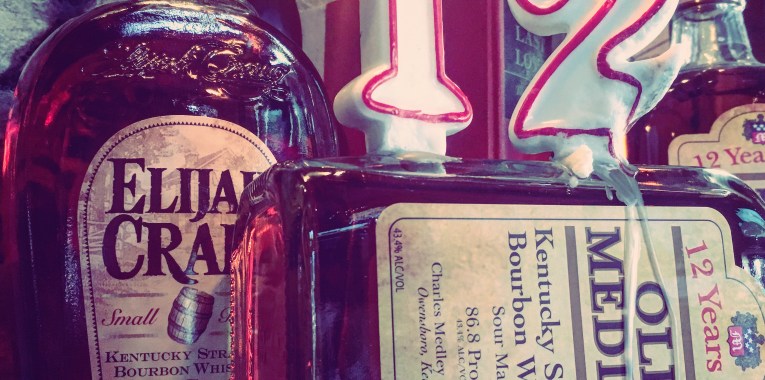
 The whiskey was only getting older because no one was drinking it, which means no one was buying it, which means they weren’t making money. So, corners were cut, quality went down, even less whiskey was bought and what was just kept getting older. To keep the whiskey that was ‘past its prime’ from going to waste in was blended into younger stock, creating better whiskey and, as the young barrels caught up, added up to the big fat number on your bottle. Better whiskey means more people start drinking it until the young-uns aren’t keeping pace and we’re right back where we started.
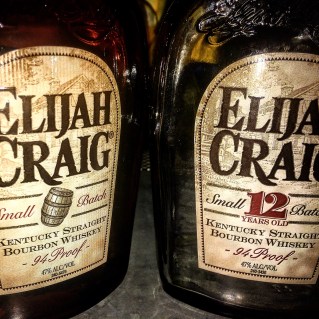 these “pre-prohibition’ spirits are so proud of. Quality that’s clearly being appreciated, which means more production and more quality in the future. We’re in a mix up the old and the new which is always a difficult time. But don’t let the past, and the age blind you to the present.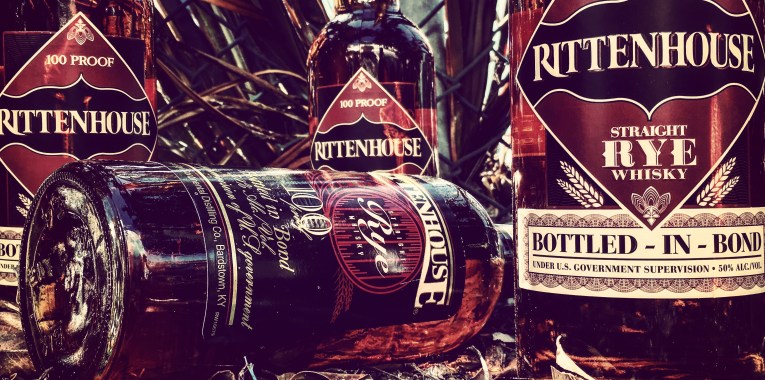
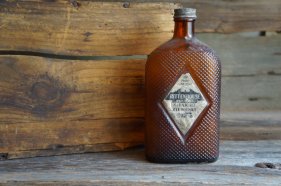 Prohibition as Rittenhouse Square Rye. Over the years it evolved. The whiskey got older and was eventually released as Bottled-In-Bond in the 40’s putting the governments quality control stamp on every drop you drank. But the decades were not kind and a World War, the collapse of the American Whiskey industry, and the rise of Vodka tried to push the brand down. It was kept alive by leaving it’s Pennsylvania birthplace and started rolling of the production lines at Heaven Hill in the heart of Bourbon country Kentucky.
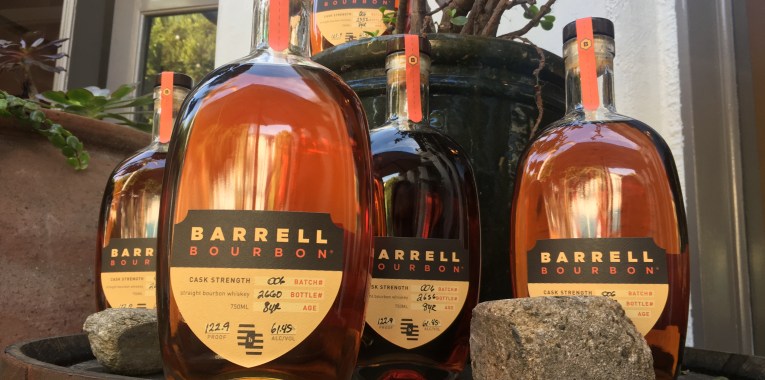


 Bottled In Bond LA