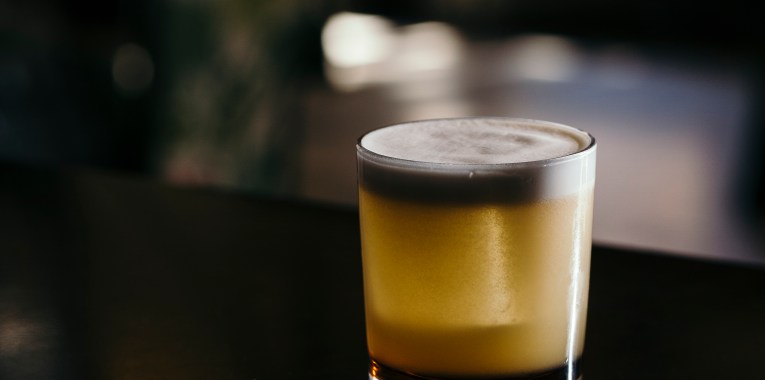
Drinking Poetic (on a Wednesday): The Los Angeles Sour

The Los Angeles Cocktail is terrible and is a perfect example of a bad drink that survives because it’s old. 

Buried within the pages of the Savoy Cocktail book, one of the quintessential drink tomes of the Golden and Modern cocktail age, is a drink that reads like a New Yorker describing their “totally real” visit to L.A. There are so many things that irritate me about this drink, the very first of which is that it’s not a damn cocktail!
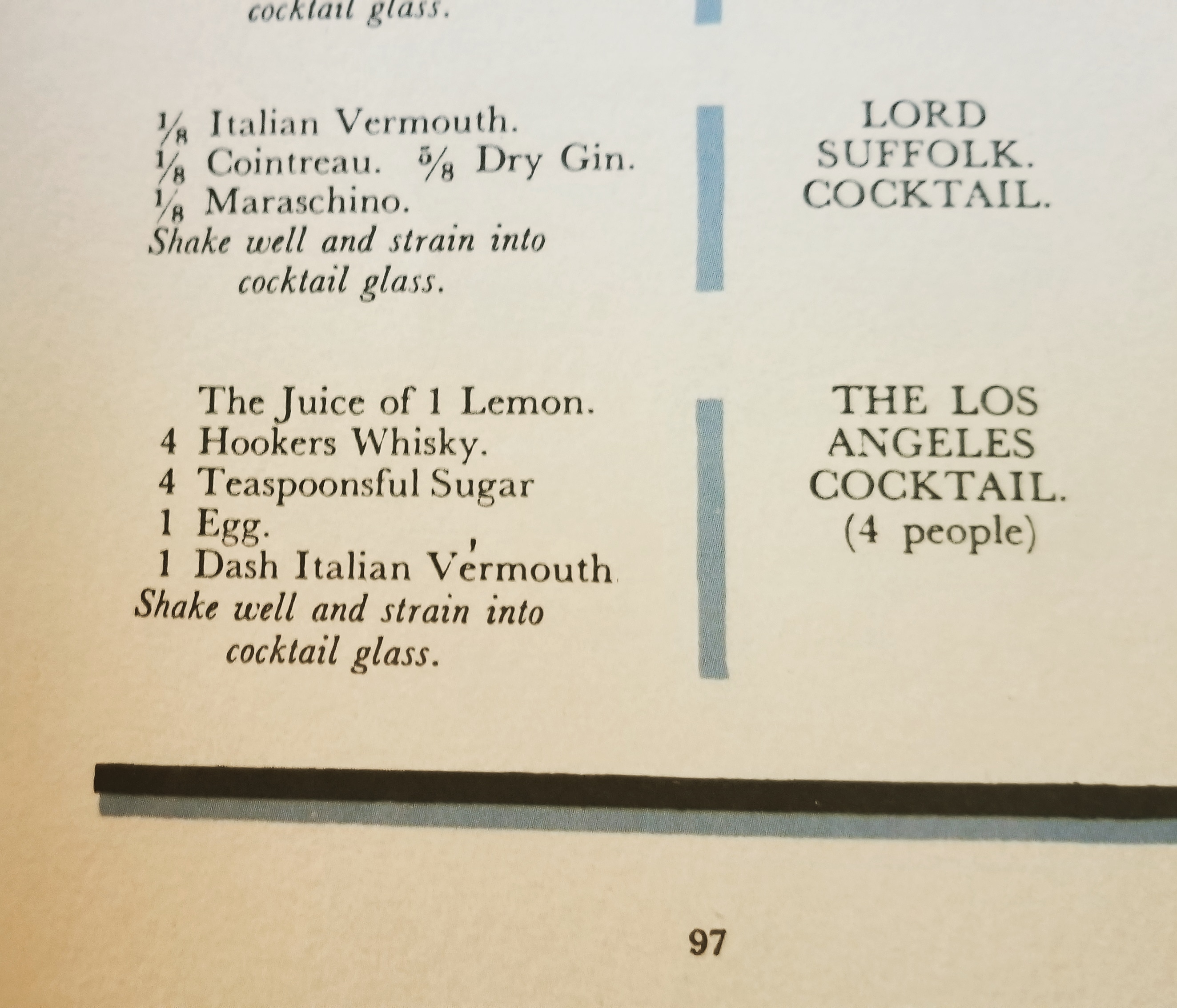
A irreparably irritating recipe

Despite being listed alphabetically in the “cocktail” section there’s nothing about this drink that ties it to the traditional “cocktail” family of drinks. It contains no bitters and has enough citrus to dilute the base spirit beyond recognition. Apart from that the drink is described as serving four people, uses blended whiskey, powdered sugar, a whole egg, and only a “splash” of vermouth. It’s just a worse version of a New York Sour. While L.A. may have once been the subpar New York City that is certainly not the case any more and I think that’s what makes this drink stick in my craw.  

There are so many little things that are off about this drink that it’s stuck in my head for years. I’ve lived in LA for a decade now and I feel like I’ve earned the right to call myself an Angeleno, so if a drink is going to be named after our city it should be damn good drink. 

The first thing that I wanted to do to adapt this drink was scale it down. A drink designed for only four people is not efficient for service, though considering that L.A. often rolls twelve deep I can’t blame them for trying. Scaled down from four hookers (a measure of 2.5 ozs) to the standard 2 oz jigger of booze, a classic proportion of sour to sweet, and using an egg white instead of the whole egg creates a palatable, if completely forgettable, sour.  

This adjusted recipe reads: 

  • 2oz Whiskey 
  • 1 oz Fresh Lemon Juice
  • .75 oz Simple Syrup
  • 1 Egg White
  • 25 oz Vermouth 
  • Combine all ingredients in a mixing tin. Dry Shake. Shake With Ice. Double Strain. 

The next sticking point is that there’s nothing about this drink that actually says “L.A.” And while the same can be said about the New York Sour, which may have actually originated in Chicago, if we’re going to improve a drink why not make it more representative? With this in mind the inoffensively mediocre powdered sugar was swapped out for a 50 brix Piloncillo syrup. Pilconcillo, or panela, is an unrefined, whole cane sugar typical of Latin America. It is made from the boiling and evaporation of sugar cane juice. It is commonly used in Mexico and has more flavor than brown sugar which is often white sugar with a little added molasses. This gives the drink a richer texture while also tying it into the Latino heritage of Los Angeles. 

Elijah Craig and Dubonnet Improved Los Angeles Sour

Next up was the spirit base. The richer piloncillo syrup completely overwhelmed lighter whiskies so I turned to my trusty baseline: Elijah Craig Straight Kentucky Bourbon. This added a delightful tannin and vanilla note but was not playing nice with the vermouth and lemon. So, I traded the vermouth for the recently reconstructed American version of  Dubonnet Rouge. Served over a large rock with a float of the Dubonet the flavors were able to develop over time and the extra bitterness from the quina in the Dubonet helped tie the drink together. I actually used this drink for the regionals of the Heaven Hill Bartender of the Year competition this year and it’s absolutely delightful.

L.A. Sour: 

  • 1.5 oz Elijah Craig Small Batch 
  • .75 oz Piloncillo Syrup (50 Brix) 
  • .75 oz Fresh Lemon Juice 
  • 1 Egg White 
    • Dry Shake. Double Strain over one large ice cube. 
  • Float .75 oz Dubonnet Rouge  

There’s no practical need to go further than this. The drink is delightfully crowd pleasing, recognizable, and recreateable. I highly recommend making this version of the drink yourself.I couldn’t set the drink down though. It kept burrowing through my brain begging for attention. 

I have a natural disregard for “blended” whiskies. I find them light and forgettable but that doesn’t have to be the case. There are some beautiful blended malts  and grain whiskies on the market, and not all of them are Japanese. So, I broke down the components and built up a house whiskey blend to complement the flavors.  

It starts with an ounce of Bushmill’s 10 Year Single Malt. Irish Malt is lighter and fruiter than the more familiar Scotch malts while being more affordable than the Japanese counterparts. The Bushmills 10 also grants a solid barrel note and the vanilla that was coming from the Elijah Craig. Next, I wanted some spice and proof without overwhelming the delicate Irish malt so I added a half ounce of Old Overholt Bottled In Bond Rye. This added an oiliness, viscosity, and tannin that helped dry out the drink. 

Finally, to lengthen out the blend, a half ounce of grain whiskey was added. The Nikka Coffey Grain would have worked wonderfully, but the pricing and recent announcement that it was being discontinued shut that experiment down. Though I have recently heard that it is only discontinued in Japan with plenty of stock in the U.S. remaining so it may be worth revisiting. In the mean time I headed back to the Emerald Isle where the Teeling Single Grain offered a compliment to both the Bushmill’s Malt and the Overholt Rye bite.

This house blend was delightfully robust but the Dubonnet, instead of being a unifying factor, was now coming across as thin, just like the vermouth in the original spec. The drink needed something richer while still maintaining that vermouth bitterness and acid. It needed to be concentrated. With that in mind I turned to my favorite toy, the rotovap. Running Dolin Rouge through the rotovap produced two wonderful products.  

First a clear, concentrated vermouth flavored distillate. Second, a concentrated vermouth syrup that was left behind as the more volatile compounds were syphoned off. Both of these products are lovely, especially the syrup. However, I couldn’t imagine using this process to produce enough to maintain the volume of service that we do at NoMad LA so I went back to the drawing board. 

With this concentrated Vermouth reduction as a benchmark we found that a traditional stove top reduction with 50% sugar by weight produced a vermouth syrup that was, as my father would say, “Good enough for government work.”  

All the elements were now in place. Here was a drink that payed homage to its vintage roots, added in elements of the city it’s named for, and incorporated modern techniques, culinary thoughtfulness, and contemporary palettes and drinking styles. I’m also incredibly proud of the fact that this is the only drink I’ve ever put in front of our Bar Director Leo Robitschek that he had no tweaks for.  

The Los Angeles Sour now reads on the menu at NoMad LA as: 

  • 1 oz Bushmill’s 10 Year Single Malt 
  • .5 oz Old Overholt Bottled In Bond Rye Whiskey 
  • .5 oz Teeling Single Grain Irish Whiskey 
  • .75 oz 50 Brix Piloncillo Syrup 
  • .75 oz Fresh Lemon Juice 
  • 1 Egg White 
    • Dry Shake. Shake with Kold Draft Ice. Double Strain over one large Ice Cube
  • Float .75 oz Dolin Rouge Vermouth Reduction 

I do have to admit I’m cheating for the sake of a story. Leo did have one critique. I originally pitched the drink with aquafaba, (a vegan egg white substitute made from beans), instead of egg white because lord knows L.A. loves its dietary restrictions. Both versions of the drink past muster but the egg white variation felt more robust. But because of this original thematic pitch, and aa cheeky nod to L.A. drinkers, the Los Angeles Sour will always available “vegan upon request.”

Drinking Poetic: The Old Fashioned

“I prefer things the Old Fashioned Way!” said every generation ever as things changed around them.

The Old Fashioned is my favorite cocktail. It appeals to me on such a deeply intellectual level that it rivals the psychic imprint that Lord of the Rings had on me in the third grade. And the imprint this simple drink has had on the world of cocktails is just as deep. But what exactly is an Old Fashioned?

Due to the past 15 years of the Cocktail Resurgence and the dissemination of information on the Internet, most bartenders outside of Wisconsin will tell you that an Old Fashioned is a basic cocktail comprised of Spirit, sugar, bitters, and water/dilution. If they’re particularly good they might ask if you have a preference on Bourbon or Rye but most would balk at the idea of making it with a different spirit or, god forbid!, serving it up instead of on the rocks. Yet all of these are part of the innumerable variables that are a part of the drink’s history.

Over the past 200 years the drink has survived, thrived, been basterdized, been reinvented, reimagined and misunderstood. But why does it work?

An Old Fashioned is quite simply the Ur-Cocktail. The original, OG, never to be replicated, cocktail. Once upon a time, when words and facts still meant something, a cocktail was just one of many mixed drinks families that each had their own rules and regulations for entrance to the family retreats.

The original definition of “cocktail” first appears in a newspaper in Hudson, New York on May 13th, 1806. In answer to the question, “What is a cocktail?” editor Harry Croswell responds, “Cock-tail is a stimulating liquor, composed of spirits of any kind, sugar, water, and bitters—it is vulgarly called bittered sling, and is supposed to be an excellent electioneering potion, in as much as it renders the heart stout and bold, at the same time that it fuddles the head. It is said, also to be of great use to a democratic candidate: because a person, having swallowed a glass of it, is ready to swallow any thing else.” Sounds familiar doesn’t it?

While later generations of bartenders would claim the drink was invented at The Pendennis Club in the 1880s the etymological roots of the drink have always been more believable to me. As you may imagine drinks were made very differently in the early 1800s from how they are now, no matter how “pre-Prohibition” a place claims to be deep down we know it’s not the same. Now imagine that you actually did know what it used to be like and all these new changes, changes like plentiful ice and clean water for making simple syrup, are ruining your favorite drink. So instead of getting it done with all these new age techniques you would ask for your cocktail “the old fashioned way.”

It all starts with that base spirit. Forevermore this drink will be linked to whiskey but it works with any base spirit, any at all.

Over the past 200 years the drink has survived, thrived, been basterdized, been reinvented, reimagined and misunderstood. But why does it work? Why has this drink lasted through the centuries why so many others have disappeared to never be drunk again? This is what triggers my intellectual arousal.

What this drink does is trick our brains. It takes basic tools, and basic culinary science, and polishes the rough edges off of a spirit allowing the heart and magic that is the core of it’s flavor. Unlike a sour or a daisy that seeks to fully incorporate a wide range of flavors into one cohesive whole, essentially masking the alcohol, this seeks to enhance the elements that are already there. It highlights the spirit.

n-POURING-WHISKY-large570.jpg

It all starts with that base spirit. Forevermore this drink will be linked to whiskey but it works with any base spirit, any at all. Into the glass goes a fiery, untamed, uncultured pour of pure unadulterated water of life in what ever form you please. The base is laid and everything that emerges from this drink is birthed from this primordial ethanol ocean.

Bitters.jpgNext is added a few short dashes of bitters. Bitter is an interesting flavor. Science still debates why exactly we taste bitter but the general consensus is that we evolved the capacity as a way to detect poisonous plants. This is also why a little bitter goes such a long way. Our brains are hardwired to recognize the bitter before anything else. It doesn’t matter how mouthwatering delicious something is if it’s going to ultimately kill you. Now couple this with the fact that pure alcohol is actually poison but doesn’t actually taste like anything. What we often recognize as “alcohol” is really just the upfront burn. This touch of bitter is a stage magician. We’re so focused on the bitter that we don’t notice the alcoholic burn that it just slipped past our taste buds.
Sugar.jpg

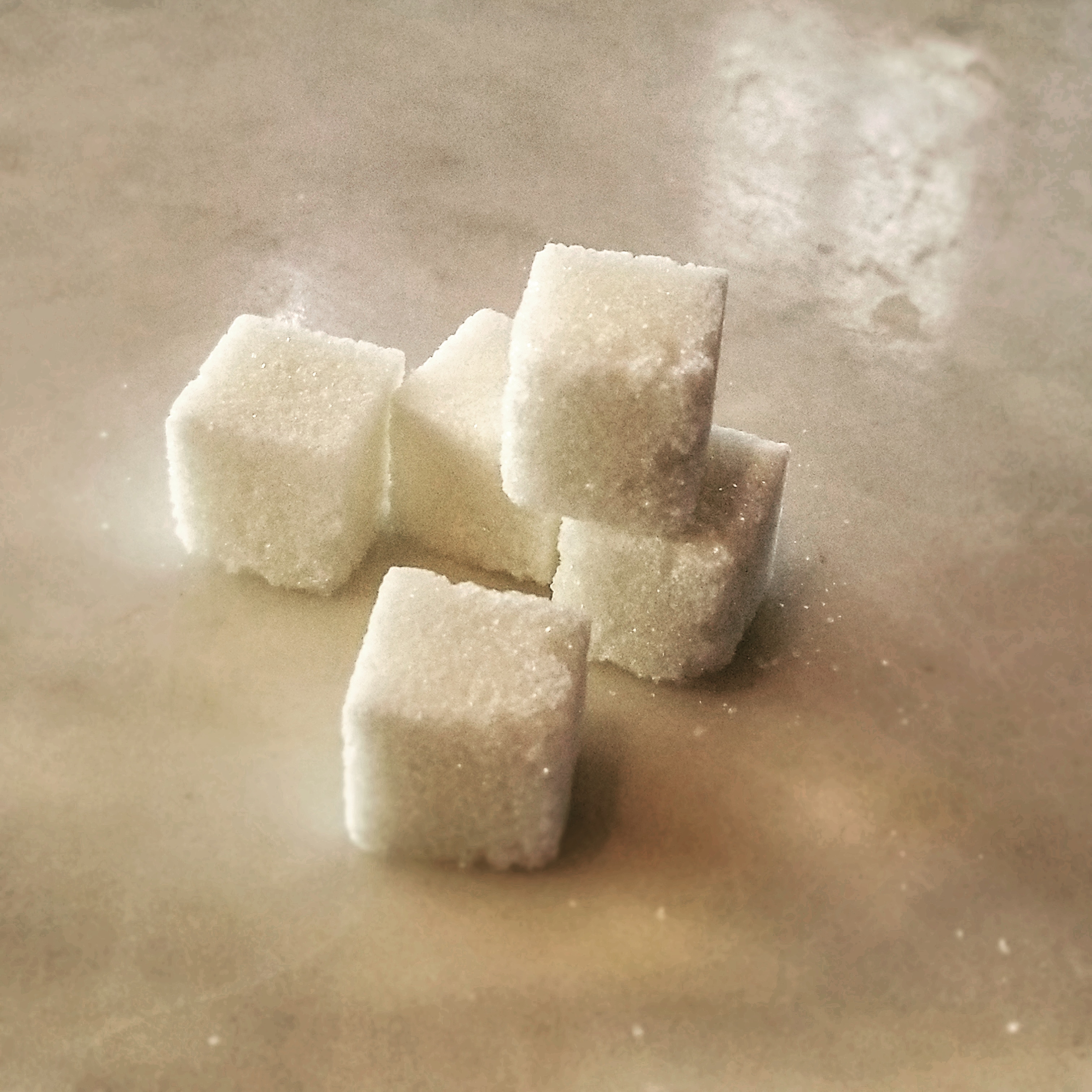
But bitter tastes are unpleasant and while it only takes a splash to fool our monkey brains the end drink shouldn’t taste bitter. This is where a spoonful of sugar helps the medicine go down. A touch of sweetener rebalances the added bitter element. It should not be sweet, it should not be cloying, it should be just enough to balance the flavor scales.

Ice.jpgNext up is dilution. While alcohol itself has no flavor it acts as a great transport for flavor. Ethanol caries those flavors molecules in a magical solution but it keeps them locked up tightly. A little dilution opens those locks and lets the heart, the true flavor burst through.

Then the drink is finished the same way it’s started with a touch of aromatic, these days in the form of expressed citrus oils to enhance the newly awakened flavors but in the drinks proto-form nutmeg was also used. The idea is once again to sneak past that alcohol burn, except this time we’re pulling a fast one on our olfactory sense.

All of this combines for the perfect cocktail. All of the parts are interchangeable. Change the sugar for vermouth and you end up with a Manhattan or a martini. Swap the dash of bitters for a grand bitter like Campari, a bottled form of that bittersweet, and you end up with a negroni or a boulevardier. Or simply take the sugar, turn it into a simple syrup, fully dilute the cocktail and serve it up and you end up with a New Fashioned Cocktail. The very process and innovation that the first drinker shook their fist at and declared that they wanted an Old Fashioned with their muddled sugar cube and ice IN the glass.

So, after all that how do I drink my Old Fashioneds? Intellectually.

But also with a small brown sugar cube soaked with Angostura bitters, just enough to saturate the cube, then dropped into the bottom of a rocks glass. Add a splash of soda water, just enough to allow the bitters soaked sugar to be easily and fully muddled. Add two ounces of Bonded Rye whiskey, a large ice cube, stir, and then express the oil from a small slice of lemon and of orange over the top. Sip, drain, and repeat until the dawn comes.

Drinking Poetic: The Hemingway Daquiri

I feel a certain kinship with Hemingway. I’d like to think it’ because we both have an affinity with words but there’s no denying that the legend of Hemingway has been at least as influential as the man himself. And just like the man himself the truth is always more complicated.

Hemingway was, like most people of his time, an equal opportunity drinker. While in contemporary imagination he’s associated with whatever the masculine drink of the time is, his own writing talks about him drinking absinthe, brandy, champagne, wine, beer, and whatever else the local drink of choice was. But to modern day bartenders Hemingway equals rum.

In his later days Hemingway became synonymous with Cuba, Havana, and La Floradita. If you believe bartending myth La Floridita may have been the first bar to serve a Frozen Daiquiri but it is with out doubt the first place to serve the Papa Doble. Which is a drink better known as the Hemingway Daiquiri

la-floridita-bar.jpg

Hemingway was convinced he was diabetic, though it was probably a larger underlying health issue, and insisted on his drinks being sans sugar. He also insisted on them being quite stiff to counteract the pain caused by the same underling condition. In an effort to accommodate the prolific drinking of the Nobel Laureate the Papa Doble was created. Crafted with a double shot of rum per Hemingway’s request, subbing in Maraschino Liqueur for the sweetener, and adding grapefruit juice to make the concoction more palatable. Hemingway probably drank it with Bacardi at the time so we know it was with light rum and the pretty standard recipe these days goes as follows:

speakeasy-hemingway-daiquiri-main.jpg

2 oz Light Rum
1 oz Fresh Grapefruit
.5 oz Maraschino
.5 oz Fresh Lime
.25 oz Simple Syrup

Shake with ice, Double Strain into a stemmed cocktail glass.

For many who do see Hemingway as the pinnacle of the uber-masculine this drink doesn’t jive with their expectations. The drink is citrus and fruit, it’s served up, and despite the adjustments still has a certain sweetness. Also, it ignores the fact the citrus in Cuba is simply different than what we get in the States.

I think this juxtaposition comes from the never-ending misconception that somehow drinks have gender, as well as a misunderstanding of masculinity. In addition it shows a lack of experience with how drinks can have a time and place. They’re not a one-size fits all occasion. I believe it also ties into a basic misunderstanding of rum itself.

“The chief fuddling they make in the island is Rumbullion, alias Kill-Divil, and this is made of sugar canes distilled, a hot, hellish, and terrible liquor.”

Unlike spirits like whiskey, tequila, or cognac the rules for making rum are wide and varied. Rum can also literally be made anywhere. New England used to be the rum capitol of America for Christ sake. So from island to island, distillery to distillery, and drinker to drinker “rum” means something different.

Let’s start with the basic misunderstanding of color as a classification. For much of the world rum is Light, Dark, or Gold. But that doesn’t actually tell us anything about the process being used to make the rum. A much better, but equally challenging, classification can be made using history.

The history of rum is in many ways the history of the sugar trade in the Caribbean, which also ties it deeply to the slave trade. The Triangle Trade would bring slaves to work the sugar plantations in the Caribbean, take sugar and molasses to the colonies, and return to Europe loaded with rum and tobacco ready to start the process all over again.

The life of slaves in the Caribbean was truly torturous. Life expectancy on the plantations was a mere 7-9 years after being abducted. Harvesting and refining sugar cane was an extremely dangerous proposition so who would blame someone trapped in that kind of life for take this by-product, this molasses, and starting to ferment and distilling it. Anything to take the edge off, even if the end result was that, “The chief fuddling they make in the island is Rumbullion, alias Kill-Divil, and this is made of sugar canes distilled, a hot, hellish, and terrible liquor.”

As the trade grew, sailors, and yes this included pirates, had a need for spirits for their journeys and this “Rumbullion” started to become more refined as the disparate cultures brought their own distillation traditions and practices to the islands they controlled. This styles roughly correlate to what islands were colonized by the English, The French, and the Spanish.

JAMAICA_b1d73f88-dc73-4d87-8264-1e8cd9f61290.jpg

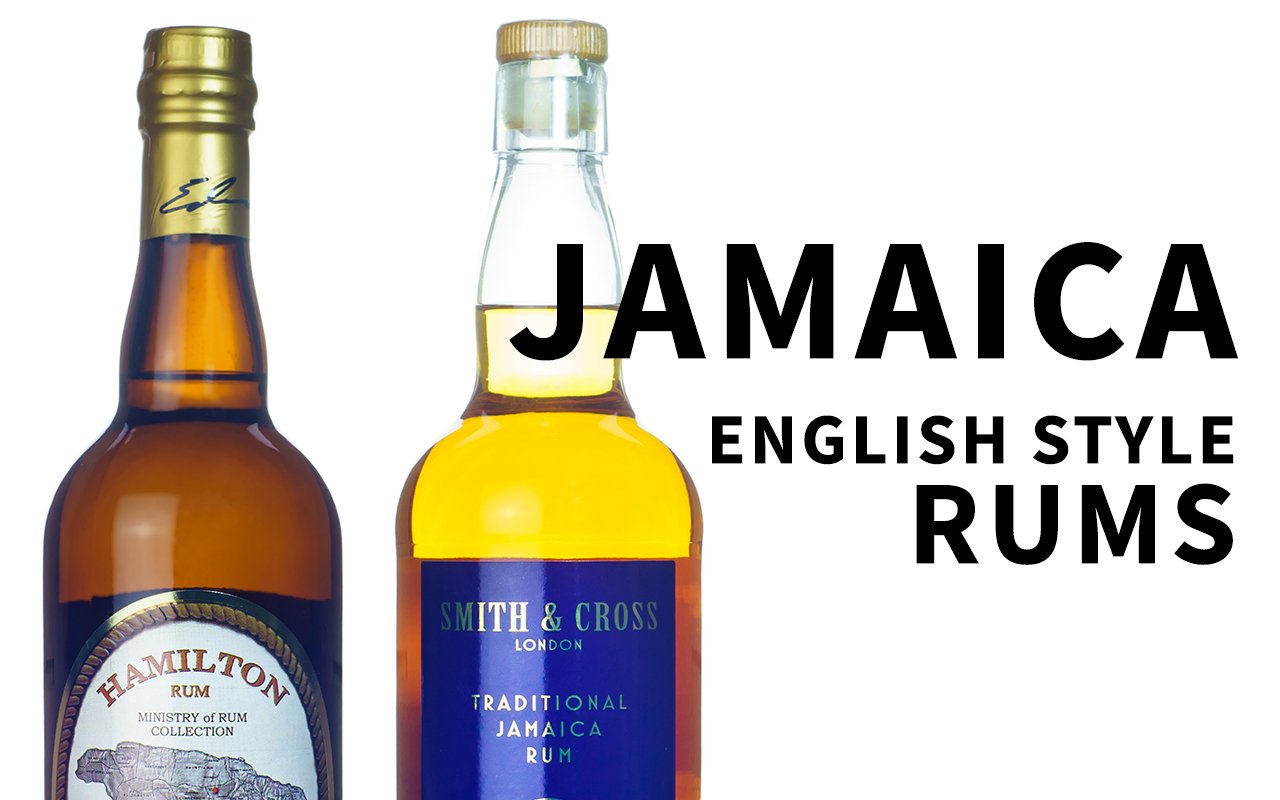
The English style is often labeled as “traditional.” This are the rums made from molasses fermented for 2-3 days and distilled using pot stills. These pot stills are inefficient, meaning they don’t distill to as high a proof as modern column/industrial stills, but they also strip out less flavor leaving behind a lot of the “hugo” or rum funk that is incredibly noticeable in Jamaican style rums. These are typically big, powerful, funky, full flavor rums and many are left at a higher proof.

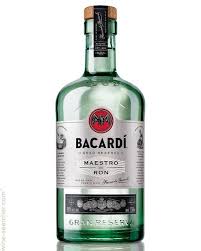
In contrast, the Spanish style can always be described as “light rum.” And this is wheredownload-1.jpg that confusion comes into play because the use of the word “light” here has nothing to do with color, it’s all about the flavor. “Light rum” is a rum that is lighter in flavor than a traditional pot still rum. Still molasses based but with a shorter fermentation time, often times only a scant 24 hours, and then continuously distilled on column stills. This was a style that was developed in Cuba in the late 19th century and is the style still practiced by Havana Club and Bacardi. These are the majority of the rums on the market. They’re easier and cheaper to make it bulk. But because they carry less flavor it doesn’t matter what color they are or how long you age them they will always be light rum.
download.jpg

Then there’s the French. Always doing things their own way. The French style of Rhum Agricole developed as mainland France moved away from importing sugar due to events like the Haitian slave rebellion and the English navy making the process too problematic. So, they began refining sugar from sugar beets on the mainland. This left the French controlled Caribbean islands with less reason to refine their sugar cane nectar and they began distilling it instead. This results in a grassier, greener spirit that has more in common with Brazilian cacchaca than its traditional or light rum island cousins.

And these are just the baseline styles of traditionally made rums. We haven’t even gotten into blended rums, heavy rums, or god forbid Inlander Rum. Confusion is almost inevitable.

Back to the Papa Doble, when you take into account the fact that this was being made with the Cuban style light rum the double shot request seems less the demands of an alcoholic, and more the demands for more flavor from a man used to massive flavors. The same can be said for the substitution of maraschino for the sweet and the grapefruit juice, all of this meant to soften the edges of that fiery Rumbullion and results in a drink that is flavorful yet relatively dry.

Trust a nerd to use science to try to get drunk like their literary hero.

You’ll notice that the modern recipe above adds back in a touch of sugar. This probably happened to address modern palettes but also as an attempt to balance the inconsistencies of the fresh juice being used. Balancing bright, fresh squeezed lime and grapefruit is always a different story than balancing day old juice. This is where my problems with the drink start to emerge from the literary shadows. Honestly I find it a sugary mess. Maraschino liqueur has a funk of it’s own, but is also relatively sweet and wars with the grapefruit in my opinion. I also find that for a drink that was designed to be dry it comes often comes out too sweet with the balance of the grapefruit and lime often not being balanced. My solution? Kirschwasser.

A true, traditional German Style Kirschwasser grants all of the cherry flavor but none of the extra sweetness of the Maraschino making it an easier drink to balance. Kitschwasser was also another favorite tipple of Hemingway so it keeps it all in the family. I also like something a little punchier so I like to add a splash of a more traditional pot still rum to the mix. My standard recipe for this is:

1 oz Light Rum
.5 oz Over Proof Jamaican
.5 oz Kirschwasser
1 oz Fresh Grapefruit
.5 oz Fresh Lime
.25 oz Cane Syrup

Shake with ice. Double Strain and serve up.

The cane syrup adds just that touch of sweet to balance what is truly a very dry, very funky little sour now.

But being the nerd I am I can’t stop there. While trying to correct the balance issues of the drink I’ve made it more complicated to make in the moment. And it can still be thrown off by one person solera aging your juice bottles so I solved the problem like I solve all problems these days, by throwing a centrifuge at it.

Well, technically it’s clarifying the day old grapefruit juice, creating a cordial out of it and then acid correcting it to lime strength. This means balancing the acids inherent in grapefruit juice to the same as lime juice which balances out at 4g citric and 2g malic acid per liter of juice. This way the balance of sweet to the sour is always exactly what I want it to be, and has the bright consequence of turning this light rum drink into a light looking drink. In this form the Jamaican rum becomes a bit overpowering so the last tweak is subbing in some high proof agricole for a more floral punch.

Trust a nerd to use science to try to get drunk like their literary hero:

1 oz Light Rum
.5 oz Rhum J.M. 100 Proof
.5 oz Kirschwasser
1 oz clarified, lime strength grapefruit cordial

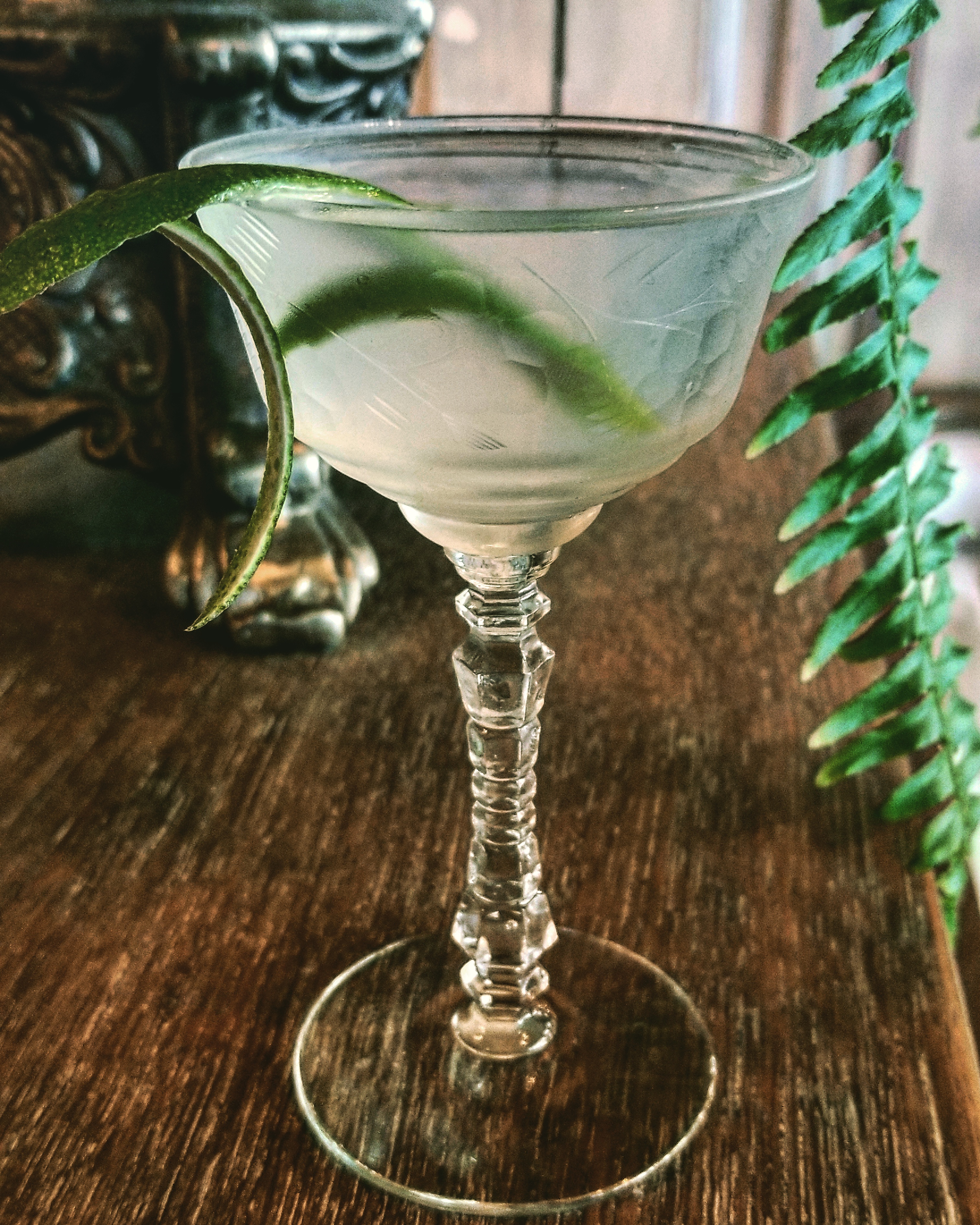
Stir with ice. Strain Up and serve with a Lime Twist.

IMG_20171028_160635_882.jpg