Quarantine Bottle Kill #2: Woodford Reserve Rare Rye

The next victim of the Quarantine Bottle Count is the Woodford Reserve Master’s Collection Rare Rye twins from 2011. Yes, I’ve been sitting on two open 375ml bottles for nine years. Don’t judge me.

Let’s put this into context. Nine years ago rye whiskey was just becoming the hot item after decades of obscurity. And then here lands a pair of Woodford Ryes for $100. It was one of many signals that not only was Rye moving from the bargain category but that distillers and distilleries had been contemplating the move for a while.

The distillate is 100% Rye, probably a blend of malted and unmalted, triple distilled on the Woodford Pot stills and bottled at 92.4 proof. The only stated difference between the bottles is that one was aged in freshly charged new oak, just like Bourbon or American Rye legally must be, and the other is aged in reused Bourbon barrels. This technically makes it a rye “spirit” and not a whiskey.

What’s interesting to me though is that the New Cask is labeled as “Straight Rye Whiskey” with no age statement. Legally, this means that the “New Cask Rye” is a minimum of four years old. And as Woodford clearly says the only difference between the two bottles is the maturation process that means the “Aged Cask” is also four years old. 

Whiskey makers are accustomed to think in the long term. Production is measured in years if not decades but even then it seems a risky move to have distilled a 100% Rye in 2006-2007 even if it was meant to be a limited release. But the demand for rye has only gotten stronger in the past decade, clearly evidenced in Woodford having a dedicated Rye as part of it’s core line up in 2020.

As interesting as all of that backstory is, how does the whiskey actually taste?

AGED CASK RYE
NOSE: Grassy, Bready, with a touch of green apple
PALETTE:  Bright rye, a hint of vanilla and orange, honey
FINISH: Surprisingly Long, with a hint of mint and cinnamon, dry

NEW CASK RYE
NOSE: Tobacco, Honey, Vanilla, and oak
PALETTE: Cinnamon, deep baking spices, ripe apple, and leather
FINISH: Sweet, with a lingering oak and white pepper

Overall, these bottles are an fantastic example of the impact a barrel has on a distillate. The New Cask is 100% a rich, fully embodied rye while the Aged Cask is still young and fiery. It reminds me a lot of Mellow Corn, a personal favorite, but it could benefit from more time letting the flavors integrate.

They both unmistakably taste like Woodford. I’ve talked about this before but to me there is always a slightly undefinable, yet incredibly identifiable, characteristic to Woodford that I can only imagine comes from their Pot Stills. Both of these ryes carry that DNA.

Nine years after their release I’m not as excited by either of these bottles as I was when they first came out. But the world is a different place, the whiskey market is a different place, and I’m a different person.

While they’re not mind blowing whiskies on their own the weight of time evidenced in the aging and the drinking sits heavily with me as the last drops pour from the bottle.

Whiskey Wednesday: A Midwinter’s Night Dram

When it comes to the whiskey world the two most maligned words are  “sourced” and “blended.” Yet, one of the most respected distilleries to come out of the past decade of craft distilling is easily Utah’s own High West, a distillery that  exclusively bottles “sourced” and “blended” whiskey. So how did they rise above? Honesty, quality, and experimentation.

Founded in 2006 in Park City, Utah the High West Distillery is the first legal distillery in Utah since 1870. Founder David Perkins fell in love with the idea of applying his work in biochemistry to distilling after a visit to Maker’s Mark in 2001 and they began distilling on their 250 gallon pot still in 2007. If that doesn’t sound like a very big still for the amount of product High West produces it’s not. You might also ask how their first product, Rendezvous Rye, won Double Gold at the San Francisco  Spirits Competition in 2008.  The answer to both questions is sourcing.

In 1933 it was Utah that provided the 36th vote to the Amendment ending Prohibition saying, “No other state shall take away this glory from Utah.”

It’s an open secret these days that many of the “craft” distilleries are actually just bottlers.  Places buy whiskey on the open market, either directly or through brokers, and then finish and bottle it under their own label. This isn’t anything new. Up until the micro distillery explosion of the past two decades there were only 8 distilleries producing 300 brands of American Whiskey. Sourcing and blending has always been the name of the game. In fact, Perkins claims it was Jim Rutledge, the legendary former Master Distiller of Four Roses, who first suggested he purchase whiskey from other distilleries. The idea was to create a quality product to keep the lights on while Perkin’s own distillate reached maturity.

While it may seem outlandish for the man credited with taking Four Roses from a rotgut brand to quite possibly the finest American Bourbon on the market today to suggest sourcing and blending,  it fits with Rutledge’s own style. Four Roses essentially created a one stop shop for sourcing and blending under their own roof. They use two different mashbills and five different strains of yeast to produce ten bourbons each with their own unique flavor profile. These are all blended together in various proportions to create the various expressions of the Four Roses line up. Which again makes sense as Jim Rutledge learned distilling while Four Roses was part of the Seagrams distilling empire, which was most famous for it’s blends.

When Seagrams collapsed in the late 90’s, Four Roses was purchased by Kirin and began its resurgence while it’s sister plant, now known as MGP, in Lawrenceburg, Indiana set off down a different path: providing whiskey to other distilleries.  It turns out that Seagrams produced excellent distillers and that a lot of the whiskies that they were using as blending agents were damn tasty all on their own. Their most infamous style is a rye whiskey made from 95% Rye and 5% malted barley which if you are paying attention is the mashbill for such famous brands as Bulleit, Templeton, and High West.

The fact that High West was sourcing from the same supply as some less than forthright new “distilleries” caused them to be lumped in with the chaff and disregarded. However, Perkins, and his Master Distiller Brendan Coyle, took Rutledge’s advice and started blending. They spread their nets wide and pulled in a variety of styles, particularly rye, from distilleries across the country.

The problem with sourcing whiskey though is that you don’t control the supply. Take that original release of Rendezvous Rye. It was a 92 Proof, non-chill filtered blend of the MGP 95% Rye 5% Malted Barley as well as a 16 year old 80% Rye from the Barton Distillery in Kentucky. The name actually comes from the meeting, the rendezvous, of these two ryes. However, over the years the proportions and blend has changed until now the Rendezvous Rye is officially listed as “a blend of straight rye whiskeys ranging in age from 4-7 years old.” Certainly more vague but it allows for more wiggle room when stocks fluctuate.

What makes this process unique to High West is that none of this is information that you need to dig for. It’s all available front and center on their official website. This level of transparency, along with the quality of the liquid in the bottles, is what helped separate High West from the pack. But even for a blender the need to control stock is paramount.

A Midwinter Night’s Dram Act 6 Scene 6 was the first release of the Midwinter’s to contain some of High West’s own whiskey in the mix.

In 2015, this distillery made famous by blending opened a second distilling site with a 1,600 gallon copper pot still. The blenders were scaling up. As older stock is being drunk with greater abandon they have slowly been inserting their own distillate into their blends. In fact this year their Double Rye, which was a blend of 2-year old MGP Rye and the last of that 16 Year Old Barton Rye, will now officially be the first blend containing their own whiskey which was completely fermented, distilled, and aged in house. Their own whiskey is finally coming of age but they’re treating it as just another one of the many tools at their disposal, giving them yet another flavor to paint with in their blends.

While this honesty and quality is what helped High West survive I think what has made them truly unique is their desire to experiment. One of my favorite examples of this is the A Midwinter’s Night Dram and not just because I’m a sucker for puns. The Midwinter’s Dram is the basic Rendezvous Rye blend further finished in used Port barrels made from French Oak. This once a year release was the first in a series of barrel experiments that High West has released over the years and in my opinion is their best work. It’s also a fantastic example of how small tweaks can elevate a whiskey. At its best blending is about creating something that is larger than the sum of its parts and when it comes to that High West is certainly on the front lines.

While it may be odd to think about a distillery in Utah breaking new ground in the whiskey world just remember that in 1933 it was Utah that provided the 36th vote to the Amendment ending Prohibition saying, “No other state shall take away this glory from Utah.” So maybe it’s time to have a dram and let your preconceptions about blending, sourcing, and Utah be challenged.

A Midwinter Night’s Dram Act 6 Scene 6 was the first release of the Midwinter’s to contain some of High West’s own whiskey in the mix. So how does it taste?

NOSE: Rich, candied fruit with a touch of that rye baking spice

PALETTE: Dark Fruit, with a decadent mouth feel. The port and French oak add a more nuanced character to the traditional rye bomb. There’s a slight nuttiness and the through line of spice.

FINISH: Spiced clove, ripe fruit and a lingering warmth that is perfect for a roaring fireplace and a leather chair.

Open Bottle: Rittenhouse Very Rare 25 Year Straight Rye Whiskey

Today I’m either turning 33 or 37, depending on whether you believe my birth certificate or my girlfriend’s mathematical skills.

I’ve been in the service industry since I was 16, been bartending since I was 20, and have been a “craft bartender” and bar manager since I was 25. In a lot of ways my experience behind the bar has shaped me as a person, helped define my personality, and at times threatened to completely consume my life. And it all happened by accident.

While I was out manning an NBC desk the bar world had changed. The Cocktail Revolution was well underway.

It’s easy to look back on that stretch of years and see it as an inevitable progression but it never felt that way. I started waiting tables as a way to make easy cash in high school. From the moment I started taking drink orders I knew I’d rather be taking those orders from behind the bar and making the drinks; bartenders were just inherently cooler. I completely blame early viewing of Roadhouse and Cocktail for this gross misconception, but even when I started doing my best Tom Cruise impression it wasn’t a career. I was just finding a way to pay my bills in college while I figured out what I was really going to do when I grew up.

Skip ahead a few years and my Brian Flannagan impression had been traded for a blend of Aaron Sorkin and Kenneth from 30 Rock. Needless to say that wasn’t a combination that seemed to be working out so when I found myself between jobs I decided to start bartending again until I found what came next. Turned out what came next was bartending.

While I was out manning an NBC desk the bar world had changed. The Cocktail Revolution was well underway and suddenly there was a wealth of information, spirits, techniques, and books that transformed slinging drinks from a job into a profession. Similarly, some health issues transformed my youthful sense of invulnerability into an inevitable sense of my own mortality.

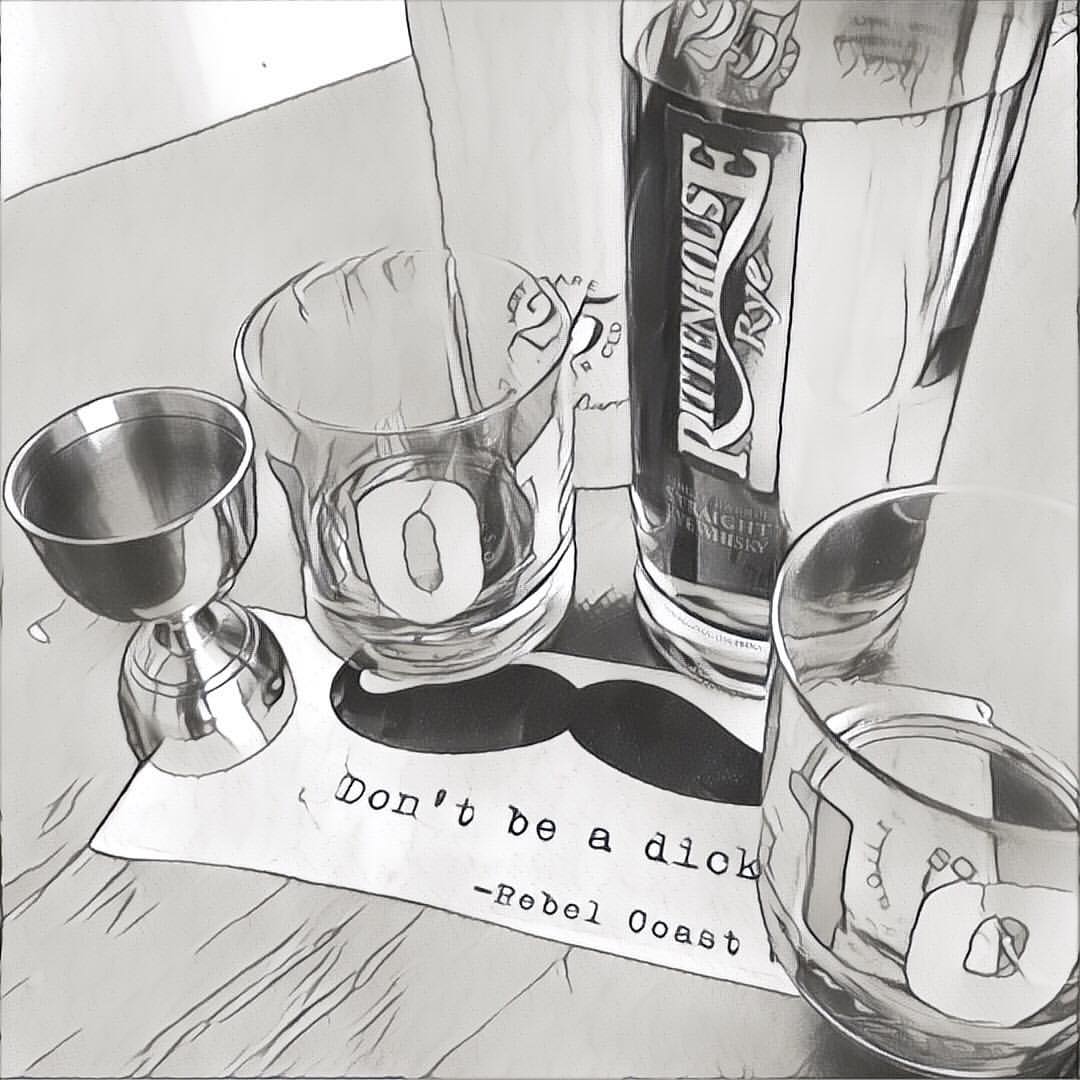
This profession and vulnerability coalesced into the first major purchase of my soon to be overwhelming liquor collection: The Rittenhouse 25 Year Old Straight Rye Whiskey.

Rittehouse25B&W.jpg

I was still reeling from the debt that having a “Real Job” had bestowed but I was alive, financially stable and wanted a bottle of spirit that was older than I was so that I could raise a glass in celebration for hopefully years to come. I had no idea what I was doing when I walked into that BevMo, but thankfully my naiveté was matched by the fact that Pappy Mania hadn’t yet transformed the whiskey world into a wasteland of unattainable whales and unicorns. This perfect confluence meant that a bottle that now goes for north of $1000 had multiples sitting on the shelf at a Santa Monica BevMo for less than $150 each. It was such a crazy time that I turned down buying a bottle for the bar because it was “too expensive” and “would never sell.” I wish I had a time machine to go back and snap up a 6-pack.

As I begin my inevitable transformation into Doug Coughlin I’m going to sit with another dram.

The third release of a series, the 25 Year Old, was preceded by a 21 and 23 year old Single Barrel release. All three releases come from rye distilled in October of 1984, aged on the lowest floors of Rickhouse OO, and were all bottled as 100 proof, non-chill filtered single barrels.

 
NOSE: There’s a touch of spice but it’s mostly a candied walnut, dried fruits and a waft of cedar mixed with the oak.

PALETTE: On the tongue there is a deep nougat, a sense of brûléed fruit, and a massive bag of baking spices. It is surprisingly sweet for a rye but carries a sophistication and stateliness. This is one of those old whiskies that rather than tasting old and oaky, tastes mature and aged.

FINISH: The finish is long and warm. The spice finally finds it’s footing as the rest of the flavors evaporate and evolve.

This is quite simply one of the best bottles of rye I’ve ever had. And what’s amazing is that as my palette, experience, and collection has grown I return to this bottle for a simple pour every year and still feel the same way.

Though to be fair it’s not really about what’s in the glass. This is the prime example of my philosophy that whiskey is meant for drinking. The experiences the led to buying the bottle and the accumulation of everyday until the next pour adds to the poetry in the glass.

As I begin my inevitable transformation into Doug Coughlin I’m going to sit with another dram and share it with those that I can. I may have started this journey by accident but the feeling of growth and community is what’s kept me here.

That and the booze.

And the tips.

But mostly the booze.

Whiskey Wednesday: Overholt’s Bond

Bottled in Bond has jumped the shark. Before what’s sure to be Jack Daniel’s latest premium priced bottled in bond hits Duty Free shelves worldwide let’s look back to a much more innocent time when a BiB release truly excited me. A time known as six months ago…

Before we jump in the Short Way Back Machine what exactly does Bottled-In-Bond mean? Well, here’s a link to a video of some fools talking about it, but here’s a quick refresher. The Bottled in Bond Act of 1897 was spearheaded by a group of distillers, lead by Col. E.H. Taylor, to instate a form of quality control on products calling themselves whiskey, as well as to give consumers the confidence that whiskey sold in this new contraption known as a mass produced glass bottle was reliable and un-tampered with.

Working with the U.S. Government they came up with a list of regulations to be labeled as Bottled-In Bond.

  • The spirit must meet all the legal requirements for that spirit.
  • It must be the product of a single distillery in a single distilling season.
  • It must be aged for a minimum of 4 years in a government bonded warehouse.
  • It must be bottled at 100 Proof
  • Every bottle must list the DSP (the distillery identification number) for both the location of distillation and location of bottling.

Follow all these rules and you get a tax break and US government slaps its seal of approval on the bottle in the form of a tax stamp to show that the liquid has not been tampered with after it was bottled.

The bonded warehouse is an interesting thing to note. In the olden days this meant that the warehouse was physically locked and could only be accessed by a tax assessor (see the above tax breaks, to ensure that there was no “unauthorized removal.” This Tax Man had the keys to the warehouse and it could only be opened with their help, which is how we end up with such delightful stories as that of Old Fitzgerald.

Bottled in Bond began to thrive. It was a mark of quality, and a mark of the distiller’s skill. However, after prohibition when stocks and profits were low distillers looked for ways to stretch out the remaining supply and to reduce costs. See: blended whiskey and applejack. The required aging and proof of bottled in bond raised the quality but also the price, and being unable to blend across distilling seasons meant there was less ability to utilize backstock. Brands that were once proudly Bottled-in-Bond began reducing proof and age and slowly disappeared. Most of those that survived have been consolidated under the ownership of Heaven Hill but also lost their premium status and became your “Granddad’s Whiskey” which despite what the current whiskey boom will tell you used to be an incredibly uncool thing to say.

On the flip side, the current whiskey and cocktail boom has reinvigorated interest in Bottled In Bond as a mark of quality and in mixing. This has lead to a rash of reintroduction of Bottled In Bond products but often at a steep mark up, which I believe misses the point and utility of Bottled In Bond. They’re meant to be versatile and approachable. One of the rereleases that got this right was Old Overholt.

Old Overholt is owned by Beam Suntory, which is the parent company of the largest Bourbon producer in the world, Jim Beam. And while Overholt is truly an old brand it doesn’t usually stand out for me.

It’s a barely legal rye, meaning it’s 51% rye in the mashbill, which isn’t necessarily a bad thing. Rittenhouse Rye is also barely legal and is a bottle I can’t live without. But bottled at 80 proof I’ve often found the Overholt to be oily and incredibly earthy. However, this past January Beam Suntory added a Bottled In Bond version of the Overholt, so lets see how it stacks up.

On the nose it smells definitively like a Jim Beam product. I associate this smell with the Jim Beam yeast strains. There is a woodsy, yeasty, nutty quality that carries through almost everything in the Jim Beam lineup. There is also an oakiness and dark wood scent that lingers.

On the palette the oiliness is still very much present, but it’s cut through with a heavy alcohol burn that dries out a vanilla and caramel while complimenting the rye natural spiciness. The finish is surprisingly short, leaving an alcohol tingle and a touch of green apple.

This new Overholt is a vast improvement over the old Overholt. However, this new bottle is undeniably a whiskey drinker’s whiskey. It is mean and uncompromising and honestly tastes a lot like what I would get if I blended the 80 proof Overholt with a bottle of Rittenhouse. Its price point makes it incredibly versatile as well. The new proof boost lets it stand up in cocktails while offering a flavor profile the is unique enough to justify including it on the back bar. Bottled in Bond is clearly becoming a hip term and producing a bonded version of a known branded may help boost sales, but that boost doesn’t mean it has to come with an inflated price tag or loss of character.

Just remember, not every reboot is terrible. And while something may jump the shark it doesn’t negate the quality of everything that came before the leap.

Whiskey Wednesday: Leopold Maryland Style Rye

Alright nerds, here’s a good one for you today. Maryland Style Rye.
Before the advent of the ‘Great Experiment’ that was Prohibition there were two dominant styles of American Rye Whiskey. The Pennsylvania Style (spicy, dry, and oaky) and Maryland Style, which was more floral, fruit forward and less aggressive. Among the many great things that Prohibition destroyed, Maryland Style Rye was one of them.

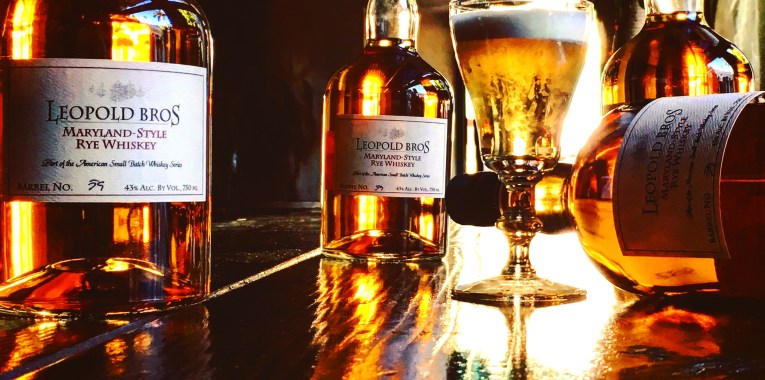
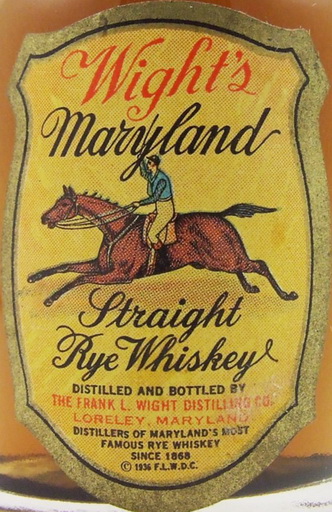
But the boys at Leopold Brothers are fighting the good fight and trying to recreate the style in the only way they know how: with exceptional quality and attention to detail. And boy are they fighting hard, you can read about the future here. But as for the pastWhile ye olden Maryland Ryes often achieved their more mellow nature and fruit flavors from additives and prune juice, the brothers are following their eco-distilling nature and recreating the flavors throughWight'sMarylandRye3.jpg careful distillation and selection of yeast strains to create a wholly unique product. They’ve even had an old time compound still made exclusively for them, and are working with local farmers to grow late 1800’s style rye, which has a completely different flavor and starch content than it’s modern descendant.
While we’re still waiting on the first batches off the new still, the current bottling shouldn’t be ignored. Young, but light and green. Green as in like biting into a huge green apple, apricot, and stone fruit. All supported by a rich chocolate malt rounding out to a juicy and more mellow finish than your more familiar ryes.

Drinking Poetic: West of Brooklyn

I’m sentimental in my head. I say head because I’m less emotionally sentimental and more intellectually sentimental, meaning that I hold on to things because I feel like I’m supposed to. This often means I find myself with collections of stuff that sometimes seem to stick around simply because it’s already stuck around.

Enter The West of Brooklyn, a drink that is now pushing its 6th consecutive year on my cocktail menus.

It certainly wasn’t planned that way and if you had asked me five years ago what drink of mine I’d still be making half a decade later it wouldn’t have been this one. I was young(er) and getting super into bespoke cocktails and was currently working my way through the Neighborhood Series and thought, “I want in on that.”

The Neighborhood Series was lineup of drinks from the Milk & Honey family and friends in New York that gave us some modern classics like the Cobble Hill, The Green Point, and the Red Hook. All of these drinks grew out of one simple fact: The Brooklyn Cocktail is terrible.

The classic Brooklyn Cocktail was first printed in 1910 in Jack’s Manual and is often modernly interpreted as:

2 oz Rye Whiskey (Preferably a Bottled-In-Bond)

.5 oz Dry Vermouth

.25 oz Maraschino

.25 oz Amer Picon

Looking at this you can see that it’s not the Brooklyn’s Fault that it’s terrible. Today we’re missing a vital ingredient: old school Amer Picon.

Amer Picon is a classic bitter orange French liqueur that also has notes of gentian, cinchona, and quinine that is no longer available in the States. But even if you were to get your hands on a bottle of it from France the recipe was changed in the 1970’s reducing the proof and making it sweeter. This means it doesn’t make the same drink. I’ve been fortunate to have classic Amer Picon and a classic Brooklyn thank to Andrew Willet over at Elemental Mixology and it’s a damn tasty drink. And for what it’s worth Andrew believes that CioCiaro makes a Brooklyn that more closely matches the classic.

Looking at this family of drinks and personally loving stirred drinks that add a subtle element of citrus or fruit I set about to add my own Neighborhood Cocktail.

At the time I was just getting started at Areal a mere block from the Pacific Ocean and was living in Venice Beach. I had moved West instead of to NYC where I would have more than likely settled in Brooklyn so before I started I already had a name: The West of Brooklyn. It was only later that I realized that Manhattan is also ‘West of Brooklyn’ but I will retroactively take credit for being that clever.

My base was clearly going to be Rittenhouse BIB Rye but knowing I was never going to get my hands on pre-70s Picon I looked for a more readily available substitute. Bigalett’s China-China had just hit the market so I pulled out a bottle of that and started mixing. I was enamored of Blanc Vermouth at the time so that joined the Bigalett and being in California and also being rather disparaging of maraschino, I looked around for a orange liqueur and ended up with a bottle of Solerno Blood Orange and thought, “That’ll do.”

That pretty much sums up my mentality about this whole drink with this first pass. I didn’t put enough thought into it. It looked like this:

2 oz Rittenhouse BIB Rye

.5 oz Bigalett China-China

.25 oz Blanc Vermouth

.25 oz Solerno Blood Orange

Stir. Served up with a Lemon Zest.

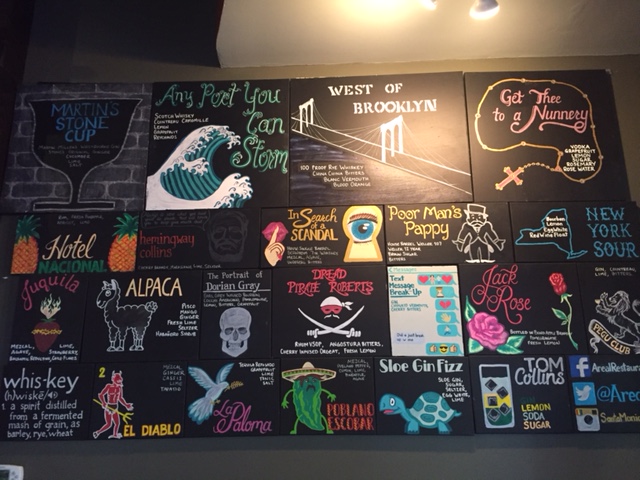
It ended up being a bit of an aggressively blunt instrument but it went on the menu and people seemed to enjoy it. It fit the bitter and stirred category and I let it be. I replaced it on the next printed menu but we had a cocktail board in the bar at Areal with drawings for every drink and our artist had been so pleased with her artwork that she wanted to leave it on the wall. I shrugged and gave it no thought.

809EA2AE-9EF9-4512-98CE-2400E3B9704C

People would continue to order the drink but it wasn’t until I had a customer come in and tell me that he had been in several times over the past months just for the drink because he liked it so much that I realized I had been making the drink for two years. I felt like I should revisit it.

I found the Bigallet was completely taking over the drink, but any attempt to dial it down just caused it to be lost. So I went back to the drawing board looking for a Grand Bitters to take its place and I started playing with the Clementi China Antica. The Clemanti focuses more on the bitter quinine notes without the orange which turned out to be perfect for the drink since I was adding the orange notes with the Solerno. But again any attempt to use less than a half ounce caused it to be lost when butting heads with the power of Rittenhouse so the drink remained a blunt instrument, albeit a drier more whiskey-focused one.

I left it at that an ended up leaving that bar. I honestly thought that would be the end of the drink. But as we were doing R&D for my first menu at Faith and Flower my friend Ryan Wainwright and I were doing an event at Seven Grand LA celebrating the Manhattan and lo and behold the drink came up. The night was being sponsored by Buffalo Trace and Sazerac Rye and suddenly the drink clicked.

In the years since I first got into the LA bar scene Sazerac Rye was highly allocated so trying to use it in a featured menu drink was a touchy proposition and that mentality stuck with me even as the rye became more available. Sazerac is a lighter, less aggressive rye than Rittenhouse with more of a green apple spice, and edges that bleed into ripe fruit. Switching out Sazerac allowed me to dial down the Clemanti Antica and bring up the blanc vermouth making it more true to its family of drinks while leaving it elegant, with a white pepper spice tied with a subtle fruit that has a perceived sweetness before drying on the palette. It now looked like:

2 oz Sazerac Rye Whiskey

.5 oz Dolin Blanc Vermouth

.25 oz Clemanti China Antica

.25 oz Solerno Blood Orange

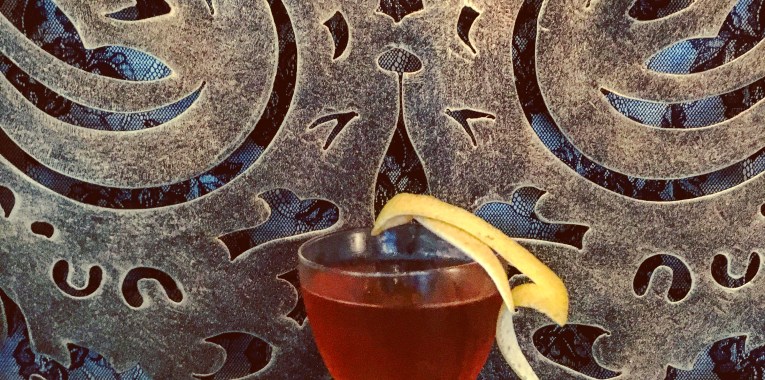
Stir with ice. Strain into a Nic and Nora glass with a lemon zest.

The drink perfectly fit the summer time Manhattan vibe we were looking for the menu and it was resurrected. And as I sit here doing R&D for the Fall/Winter menu it finally looks like the drink will truly come off the menu for the first time in five years. Until I change it again…

Whiskey Wednesday: Shooting Turkey Rye in a Single Barrel

I don’t like to repeat myself, but the conversation about the Wild Turkey Kentucky Spirit Barrel a few weeks ago got me thinking. While I might not be a Wild Turkey Bourbon man at heart the rye has always tickled my fancy. I’d like to say that it’s simply because it’s damn good whiskey but that hasn’t always objectively been true.

I touched a bit on the history of Wild Turkey with the post of Kentucky Spirit (You can read about that here) but Wild Turkey’s history feels more tied with the pop culture of past decades that almost any other brand except Jack Daniel’s and Jim Beam.

Wild Turkedownload.jpgy as a brand was said to originate in the 1940’s when an Austin Nichols executive, Thomas McCarthy, brought some choice whiskey along on a wild turkey hunting trip in South Carolina. Enamored with the samples he brought his friends kept asking for more of “that wild turkey bourbon.” More likely it was a marketing approach to appeal to hunters and the rugged, rustic type but every whiskey loves a mythical origin story.
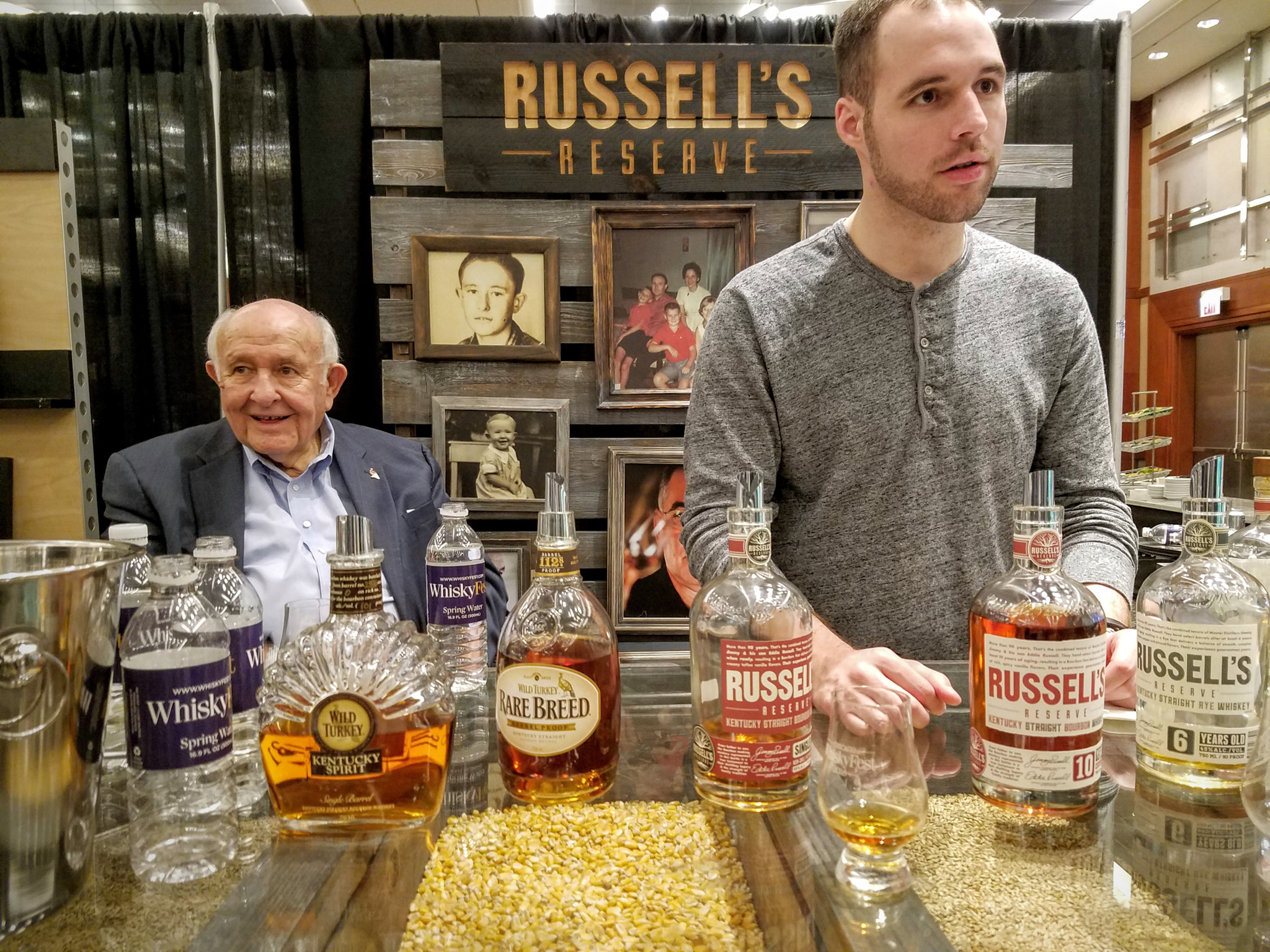
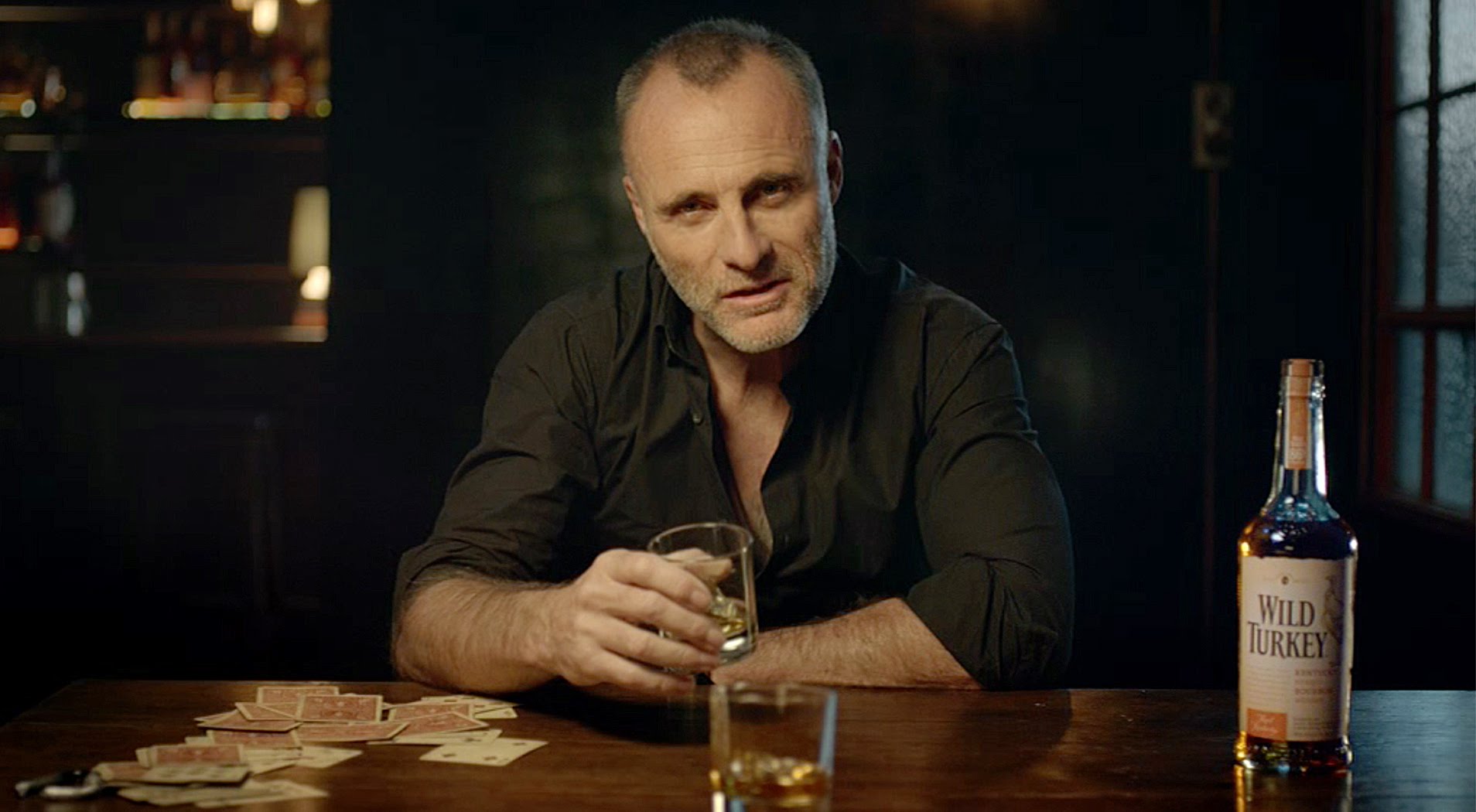
Turkey also appeals to me because it’s been the favored drink of self destructive writers for decades. Hunter S. Thompson was a known lover, Stephen King mentions it with distinction in a few books, and in his biography it’s listed as the drink of choice for perennial hipster literary icon David Foster Wallace.

Yet throughout all this pop culture iconography it’s always the bourbon they’re talking about. The rye always seems to be the unspoken younger sibling despite, at least from personal experience, it being the bartender favorite.

The Wild Turkey Rye is known as being a “barely legal” rye.  At 51% Rye/37% corn/12% barley it meets the bare minimum by law to be considered a rye whiskey. Yet, along with the brand Rittenhouse, it is a rye that kept rye alive in the decades when it was certainly not cool to drink. And it was certainly popular enough that when the 101 proof rye was dropped in 2012 there was enough of an outcry that it was reinstate a mere two years later. And now it might finally have its family champion.

Bruce Russell is the third generation of Turkey Russells and he is the current

WF-16.jpg
Like Grandfather, Like Grandson

driving force behind their rye, at least their high end stuff. While Jimmy Russell has always been unassuming and focused on the fact Wild Turkey makes two products, a Bourbon and a Rye, his son Eddie and grandson Bruce have championed the expansion of the range arguing differentiation through aging.

The idea that certain spots  in certain warehouses yield “honey” barrels is well established in Kentucky whiskey lore even if no one understands why that should be the case. But for Wild Turkey rye that took a new edge with the release of the Russell’s Reserve 6 Year rye and then even more focus with the Russell’s Reserve Single Barrel Rye.

While the single barrel carries no age statement it is clearly considered to be the upper echelon of the Turkey Family Rye. The 6-year was first introduced in 2007, the year after they raised the barrel entry proof from 105 to 115 and four years before the new distillery came online in 2011. This of course means there’s been a fair amount of flux in the production.

The rye itself is a fine example of Kentucky rye. It is all rich tobacco, which makes the old smoker in me shiver, a hint of dill, a full serving of citrus and a baked quality that ties in the darker spices and the heavy vanilla/caramel barrel notes. And it’s bottled at 104 proof which grants it the same oomph as its Wild Turkey 101 sibling.

The problem for me is twofold. 1) pricing and 2) transparency. The pricing hangup is easy for me to explain, I want quality at cost like it used to exist before the “Bourbon Boom” but that’s the old man in me yelling at the local teens to stay off my lawn: it ain’t going to happen. As for Number 2 there’s no denying that Jimmy, Eddie and now Bruce make good, and often great, whiskey but in an age where the consumer is more and more interested in the process of what ends up in their bottle the Russell’s Reserve Single Barrel Rye lacks any discerning features on the label. If a single barrel product is supposed to be different barrel to barrel I want to be able to compare barrels and bottlings, and nothing on the label gives me the ability to do that. There is no barrel number, warehouse ID, or even simply year or batch number. And these aren’t new requests. These are standard industry practices for single barrel and have been since single barrels were introduced in the 80s. Which brings me back around to the why of  why does the Wild Turkey Rye tickle my fancy so?

I think it has to do with placement. There is a wonderful sweet spot that the 101 Proof Wild Turkey Rye hits in flavor, cost, and history. While I can love the flavors and the drive to create more rye that the Russell’s Single barrel presents the balance between those things isn’t there for me yet.

But then again, aren’t we most critical of those we want the love the most?

maxresdefault
I mean if it’s good enough for Aragorn…

Leopold of the Future

Today’s post is a sneak preview of a Whiskey Wednesday of the future brought to you by a trip a few days in the past. And it’s going to be about Leopold Brothers which I know is going to turn some of you off but stick with me.

I know I’ve said it before but Leopold Brother’s is my platonic ideal when it comes to craft distilleries. They have no desire, or delusions about becoming the next Jim Beam, they just want to make good product, sustainably. They have a long term approach both to their product planning and even the build out of the distillery. I’ve written before about my love of their Maryland Style Rye, and in the pre-blog days even waxed poetic about how their fruit flavored whiskies don’t suck and am consistently intrigued by the fact that they’re still experimenting with new products despite having nearly 20 SKUs on the market. And this week we got to take a VIP tour of the Denver distillery.

IMG_2941.JPG
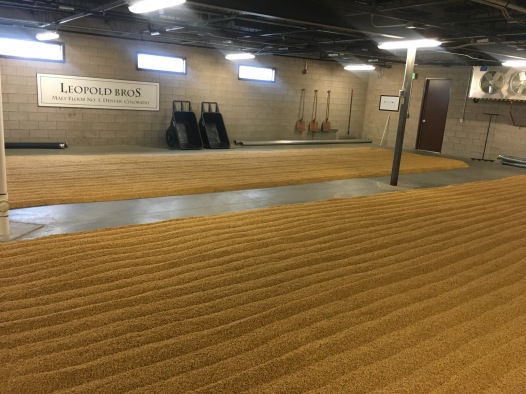
In house malting floor


I had been looking forward to this trip f
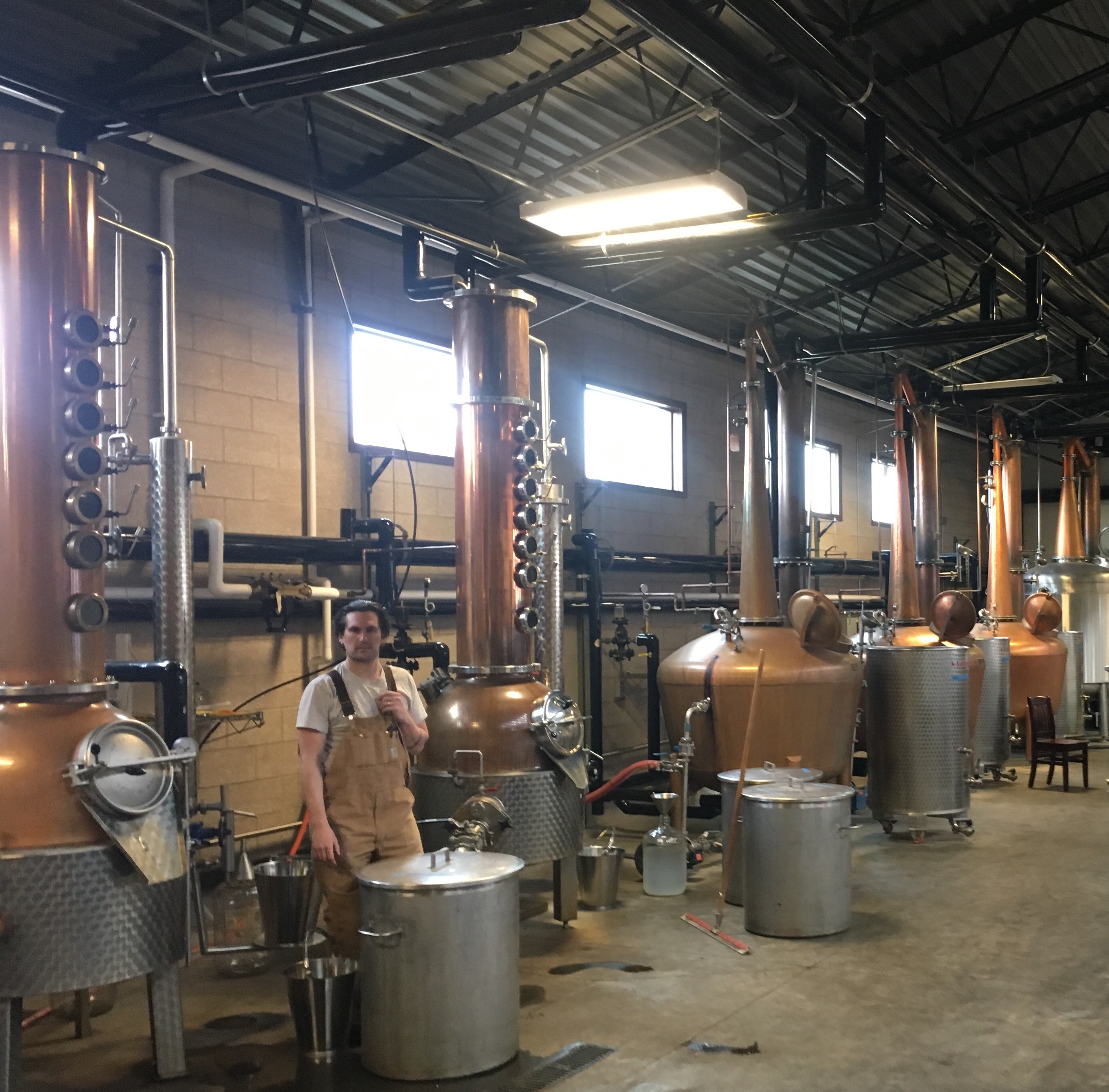
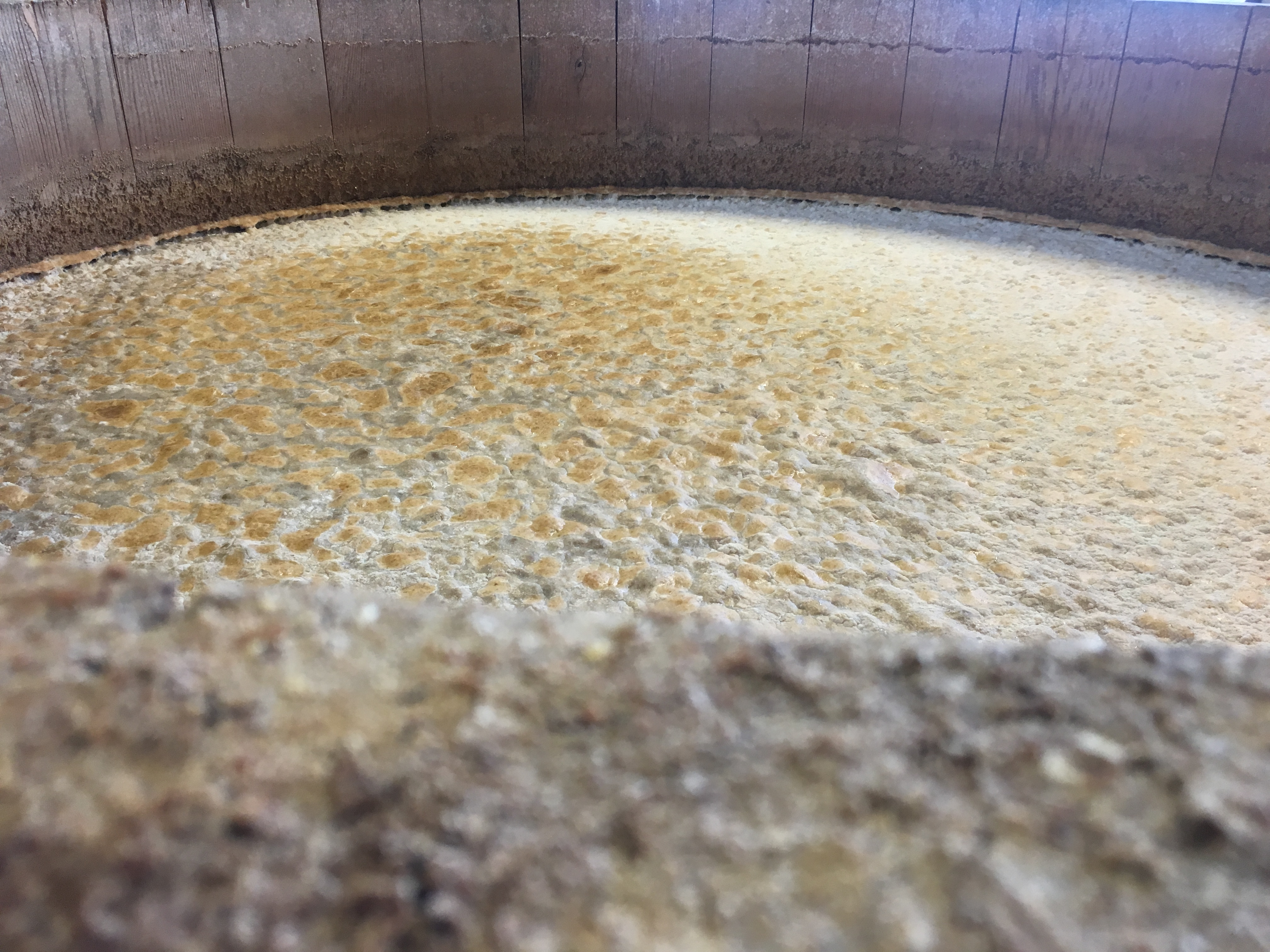
or a few weeks now and I was completely prepared to nerd out about the open air fermentation tanks, the in house malting floor modeled after the ones at the Springbank distillery, and the last hand hammered CARL still to come out of Germany. But the thing that I truly wanted to see was the Vendome Three-Chamber Still made specifically for Leopold Brothers. And it turns out it was in full operation under the eyes of Todd Leopold that day.

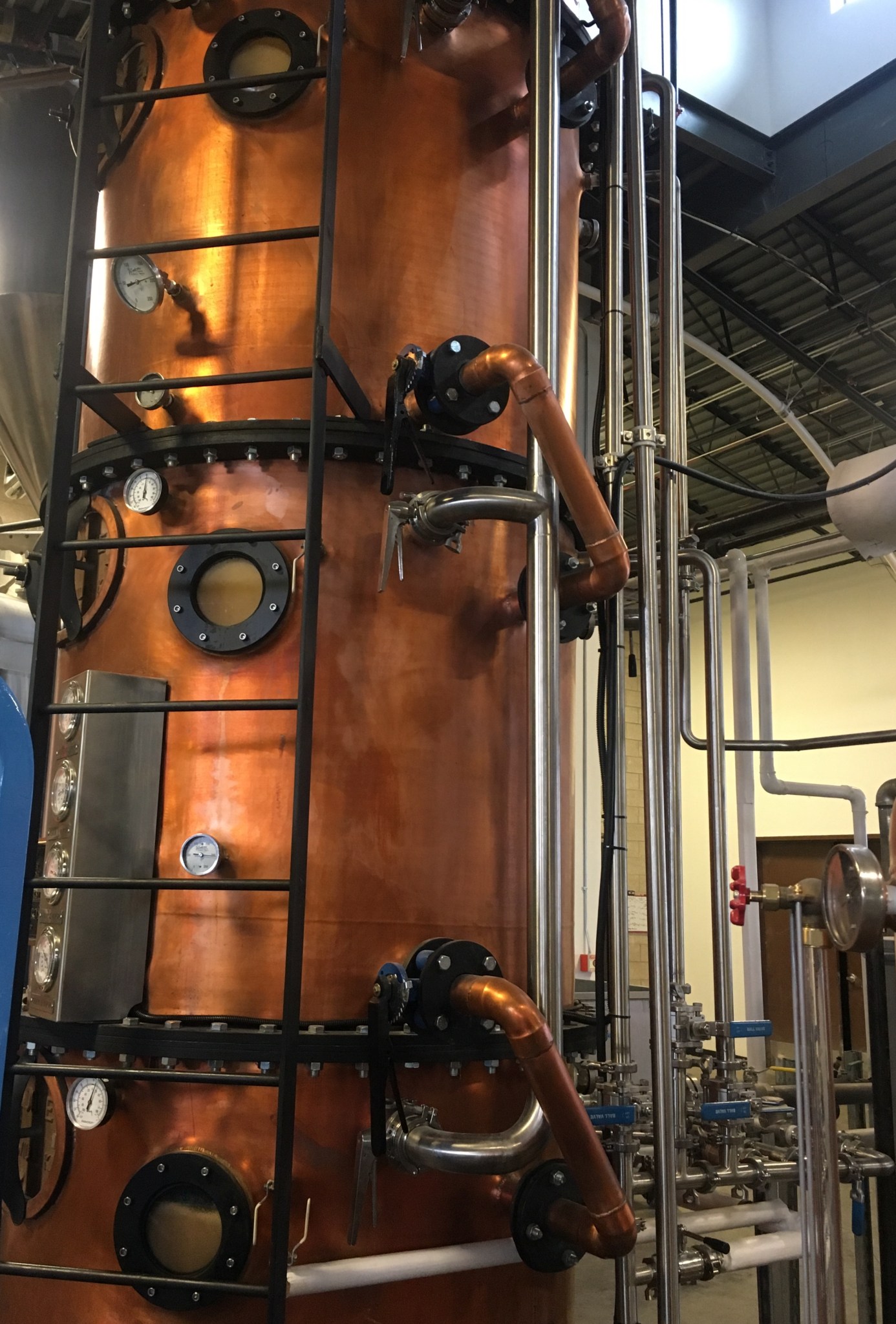
FullSizeRender-1.jpgIn distilling history isn’t a simple straight line from the old school pot stills to the modern industrial column/continuous stills used in most major distilleries today. One of the most notable steps along that path was the chamber still. The chamber still allows for distilling on the grain and as a large batch as each chamber is refilled from the chamber above. It’s a continuous batching process. And as each chamber is held at a different temperature, different alcohols boil off in each chamber allowing for more concentration of the good alcohols with less of the bad.
fullsizerender
Three Chamber Still In Action

Its also a difference in terms of contact time. In a column still steam is stripping the alcohol off in a matter of seconds where as in the three-chamber still it’s closer to an hour for each batch. You’re getting alcohol either way but the three-chamber is extracting more flavor. And tasting off the still with Todd that massive flavor is immediately apparent with a massive amount of fruit and a viscosity I’ve never encountered in a white dog.  If this was handed to me blind I’d be more inclined to identify it as a fruit brandy than a grain spirit.

And not all of that flavor is coming from the still. It’s also the type of rye being used. After careful research into what the standard mashbill used in chamber stills was (80% rye 20% malt) the Leopold’s also partnered with local farmers to grow Abruzzi rye more consistent with the style grown in the late 1800’s. The key difference is a lower starch content, which means less output but bigger rye flavor because there is less generic starch sugar overwhelming the rye. Combine this with their low fermentation temperatures and you have a mash that is less stressed, with fewer of the unwanted ethyl acetates, with a lower yield but more massive flavor.

So why did this type of still disappear? The simple answer is efficiency. The Three-Chamber still requires constant watch and tweaking during the distillation process. The batch that was running through the stills while we were there had been started at about 5:30 in the morning and Todd would be be finishing it up around 7:00 that evening. And he could not leave the still. Literally.  The output is also relatively low. The still is only putting out about 4-5 barrels of white dog a day, and while the Leopold still isn’t the largest the yield from even the smallest column still will be magnitudes larger.

IMG_2950.JPG
Open fermentation

Todd’s worry when they were installing this still though was not the efficiency but the flavor. As Todd said, “If MGP rye flavor is 12:00 and this rye came out tasting 12:05 my brother would have killed me.” What convinced Todd that the experiment would pay off was the historical data. Not only were these stills considered standard for rye making at the turn of the century before Prohibition but also Hiram Walker, the largest distillery in the world at the time, had both a three-chamber and a column still. If they were going through the expense to manufacture whiskey on both types of stills there must be a drastic difference in flavor. And he was right, this whiskey is coming out a 6:00It is just a bigger whiskey.

Which unfortunately means it going to need more aging. These flavors need more time to mellow, to integrate and mature so we’re at least another 2-3 years out from being able to fully experience this revived whiskey. But I suppose we could still visit the aging barrels to say our respects to the future deliciousness. And in the barrel house one more surprise was waiting.

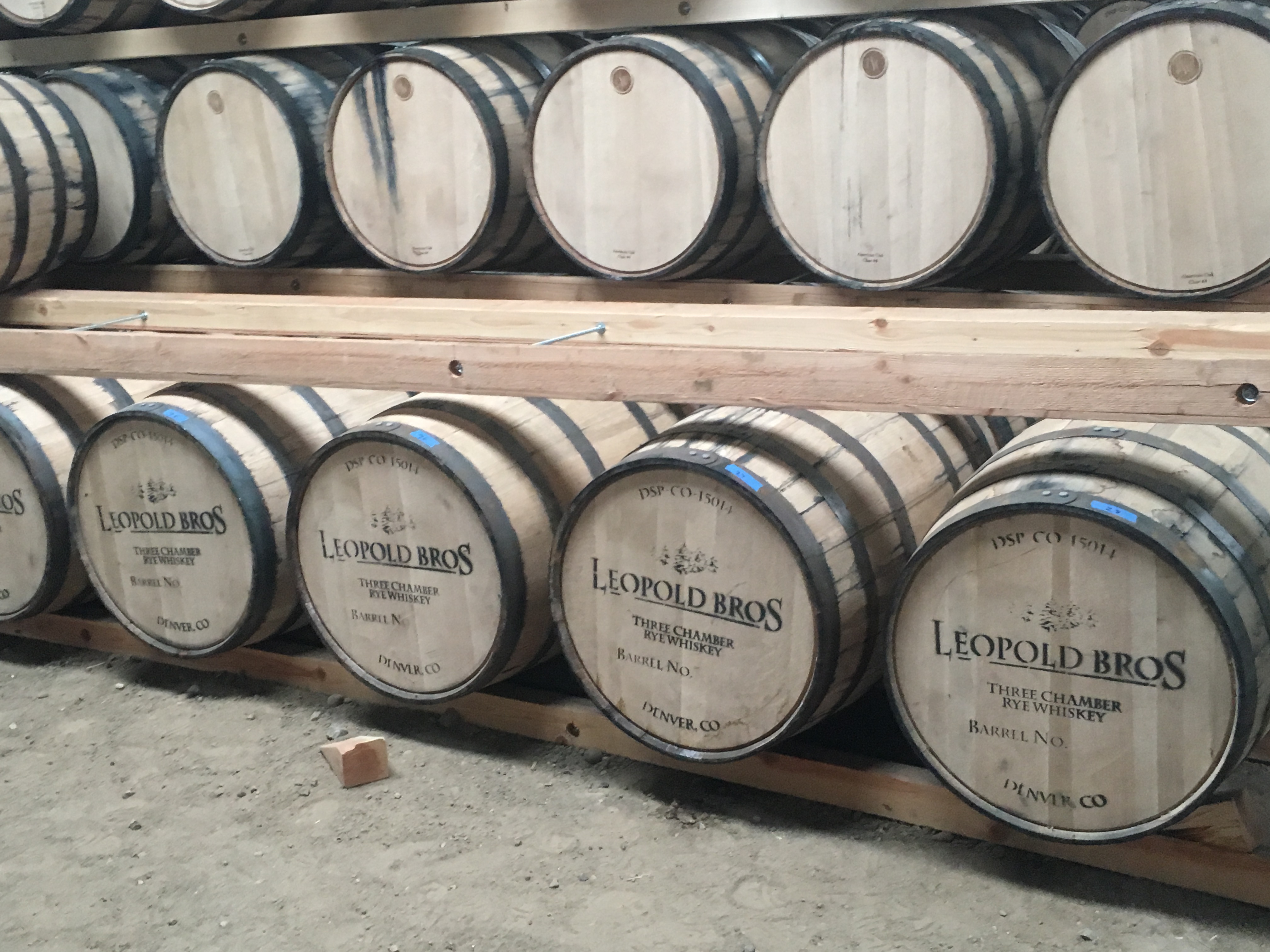
Bottled-In-Bond bourbon barrels.

This is exciting because the proliferation of anything Bottled-In-Bond is cause for celebration but also because once again Leopold Brothers are doing something different. IMG_2956.JPG Their standard barrel entry proof is barely above the required 100 proof for bottled in bond products and four years is older than any other product they currently have on the market, so this barrels are going to need careful monitoring to ensure they will live up to their name. But these barrels hold a very real possibility of creating an incredibly unique bottled-in-bond whiskey  A whiskey that carries the all of the flavors present in the liquid right off the still, evenly matched up with all of the larger barrel notes. 

One of the things I love most about Leopold Brothers is that their experimentation is focused. They are not doing things the old way simply to do them the old way. They are looking how things were done before the need for maximum efficiency, maximum production and maximum profit. It’s about recognizing what changed because a better way was found to recreate the same product versus what was changed to replace a product. As for me, I’m going to keep drinking the Leopold Brother’s current product not only because of what it is but because of the future product will be. 

IMG_2959.JPG

A FEW Good (Rye) Barrels

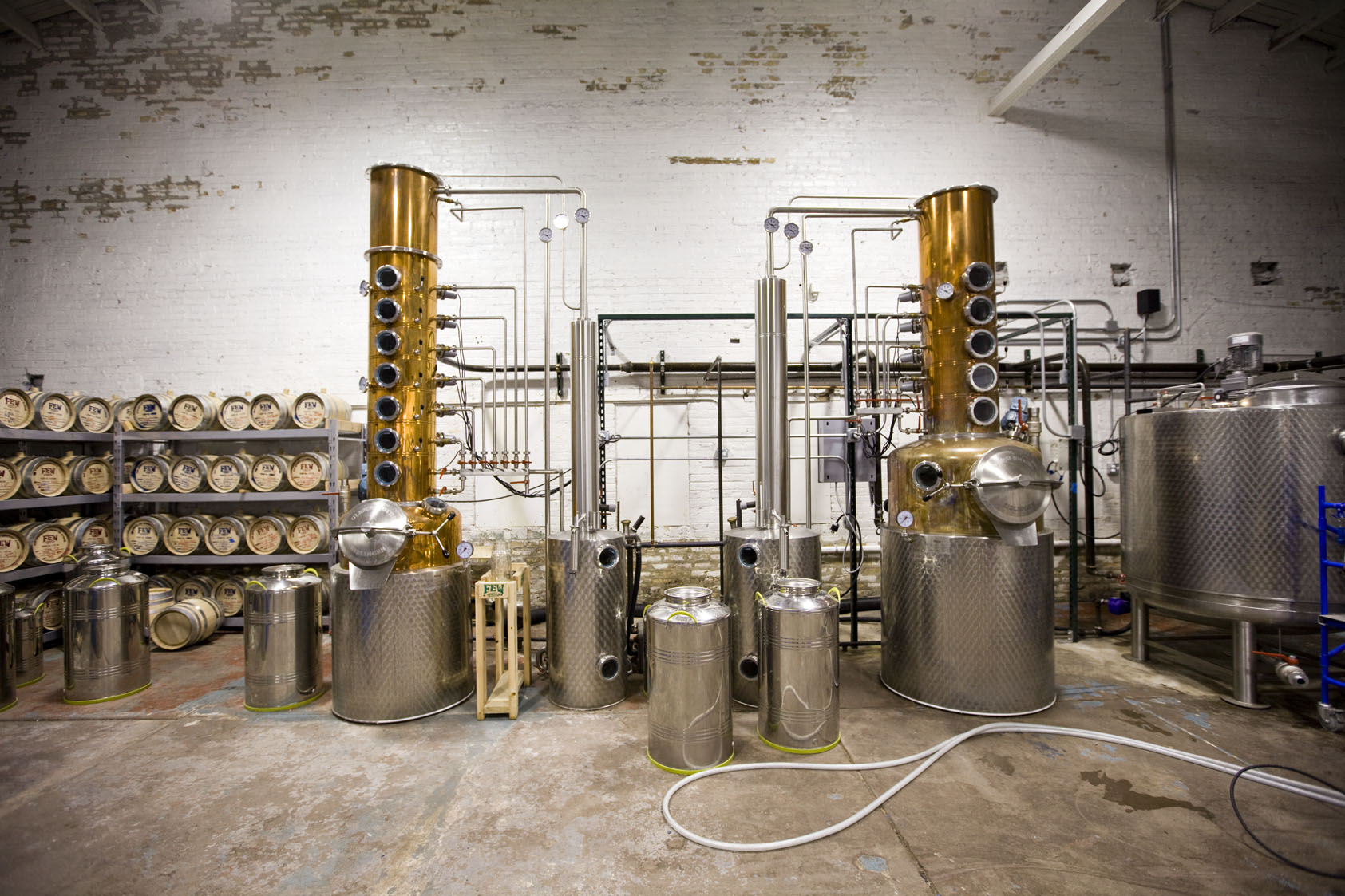
Inertia can have its benefits. I’ve been running the bar at Areal for 4 years now which means that these days the bar is essentially an extension of my personal tastes over the years. It also means that I am spoiled. On average I get to taste 3-6 new spirits a week. Which honestly isn’t surprising considering there are over 1200 craft distilleries operating in the United States as of 2016. And everyone of them has a gin that they want to sell you and most of them are making a whiskey. You could stock an entire bar with the mediocre spirits being pumped out and consumed because of their “localness” or their “craft” appeal. Just because something is local and small, doesn’t mean that it’sfew21.jpg any good. Just like being big and global doesn’t necessarily negate your quality and attention to detail. Everyone wants to start a distillery these days and I’ve got one piece of advice for you: wait. The quality of product being produced right now can’t support the number of “craft” products being produced and in about five years there’s going to be a glut of distilling equipment available for pennies on the dollar.
So, in this world
of abundance what actually marks a good product? I hate to say it but it’s time. Increasingly what I see is that people who take the time, whether it’s in learning the craft before starting a distillery, letting something fully age in full size barrels, perfecting a recipe before rushing a product to the market, investing in the future like the team at Leopold Brothers, or if we’re being honest just starting out at the right time. Open your distillery today and you’ve already missed the boat. If you started up six or more years ago though you’re now sitting golden. Just ask the team at Tuthilltown Spirits with their Hudson whiskies. The pricing and quality they went to market with would never cut the mustard today.

Where does FEW sit in all of this? I’m going to say well over the hump of the bell curve. They’ve been in the game for years now so they’ve got that inherent leg up. And while they produce a wide range of products (including at least 5 gins to clutter your back bar) the product that brought them to my attention years ago, and that still seems to be the winner for most people is their Rye.

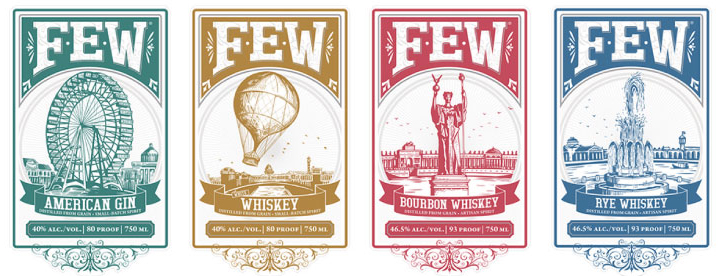
Few-Spirits-Labels.jpg            FEW has always had a delightful self awareness about the fact that they’re just making booze. The distillery name gives rise to a myriad of word play about having a FEW drinks, etc. But it’s also a nod to the distilleries home in Evanston, right out side of Chicago, which was a major staging ground for the Woman’s Christian Temperance Movement and the home of woman’s suffragist and prohibitionist France Elizabeth Willard. That playfulness carries over into their rye.

FEW encapsulates what I like to call the “New American Whiskey” flavor. These are young whiskies that have a lot of breadlines, a heavy oak presence and a fire to make any cowboy sit up and take notice. Most never find a balance to actually make them drinkable. There is a spice and a caraway to the FEW that has always helped tip it into drinkable fire for me though. They’re also the first distillery in four years to say, sure we’ll sell you a barrel of rye.

Rye, if you’ve been living under a rock, is currently the old school David Bowie of the American Whiskey world. And no one was making it. Nearly everyone who’s selling you a rye bought that rye from someone else. You’ll know they didn’t make it themselves if they can afford a national marketing campaign to support the brand. And the people who actually do make a rye have been hoarding it because demand far outstrips supply. But here we have the definition of new school distiller opening it’s vault with an unadulterated offering that is bright green apple, spice, caraway with a toasted breadlines and just a dash of almost crunchy peanut butter.

FEW, and this barrel, are far from perfect but they are to me an example of how to move forward. It’s time. It’s time placed in your product. Time placed in your methods. Time placed in the barrel. And time set aside to plan for more time in the future

Back In The Alley 6

The craft distillery and spirits movement wasn’t born yesterday but it sure feels like it.  In 2011 there were a mere 200 “craft” distilleries running spirit off their stills. By 2014 that number had literally tripled to over 600 and now there are estimated to be over 1200. That’s a massive jump in in 5 years. That’s a shift from about  700,000 cases a year to over 3.5 million.

I hate to throw around rather abstract numbers, but I feel that in this case we have to because that change is simply staggering. There is literally too many craft spirits being made to even support the great ones let alone the good ones. I know I personally came of age as a bartender during this boom. I’ve watched brands I’ve discovered and lovingly hand sold instead of the Big Labels come of age and actually stand on their own merits on shelves across the country. No longer needing to be propped up by some random bartender over eager to share.

And then I’ve watched those brands be bought up by the Big Labels, seen the love fade and then there’s yet another new kid in town knocking on your door and the cycle starts all over again.

The cycle has ramped up into hyperspeed now and there’s a new kid knocking on the door before it’s fully swung shut from the last one.

Or maybe that’s just because I’m more involved in the process these days.

Alley 6 distillery  was founded in Sonoma County in 2012 by Jason and Krystle Jorgensen and it sounds like the quintessential definition of a “craft” distillery.  A venture by a loving couple that does everything – milling the grain, mashing, fermenting distilling, barreling and bottling – on site. The have a 500l Alembic Pot Still nick named “Horton” and they have a unique mashbill drawing influence and flavor from aromatic barley. Aromatic Barley is actually the name of the type of berley and is very predominent in France and Belgium. With a mashbill of 78% rye and 22% aromatic malted barley they were aiming for a big malty back bone and rye spice.

The first, incredibly small, batch hit the shelves in late 2015 and a rep who was very excited to have a new whiskey to sell to me brought around a sample immediately. I remember thinking it was well made rye, not overwhelmingly exciting and with a rather hefty price point it got lost in the crowd.

A few months later a regular at the bar brought me in a bottle of whiskey to taste from a new distillery his friends were running up in Sonoma County. This whiskey tasted so drastically different that it took me a few minutes to realize that it was the same Alley 6 that I had had months before. It struck me enough that I filled it away as something to examine down the line.

Well here we are at the end of 2016 and we’re looking at batch no 6 of Alley 6. The whiskey is certainly more complex than batch 1 with a hefty dose of dry rye spice, a hefty bready back bone and a dark cocao and coffee. Again, interesting but not amazingly mind blowing. But what is interesting is watching the growth of this distiller.

Because that’s what we’re experiencing right now with these craft distillers: their growing pains. The Big Labels went through their’s years ago and their brands are the result of decades of experience. Over a 1000 of these new kids have less than four years under their belts. If history is any indication there are a lot of them that won’t survive the growth spurt, but I for one intend to enjoy the journey.