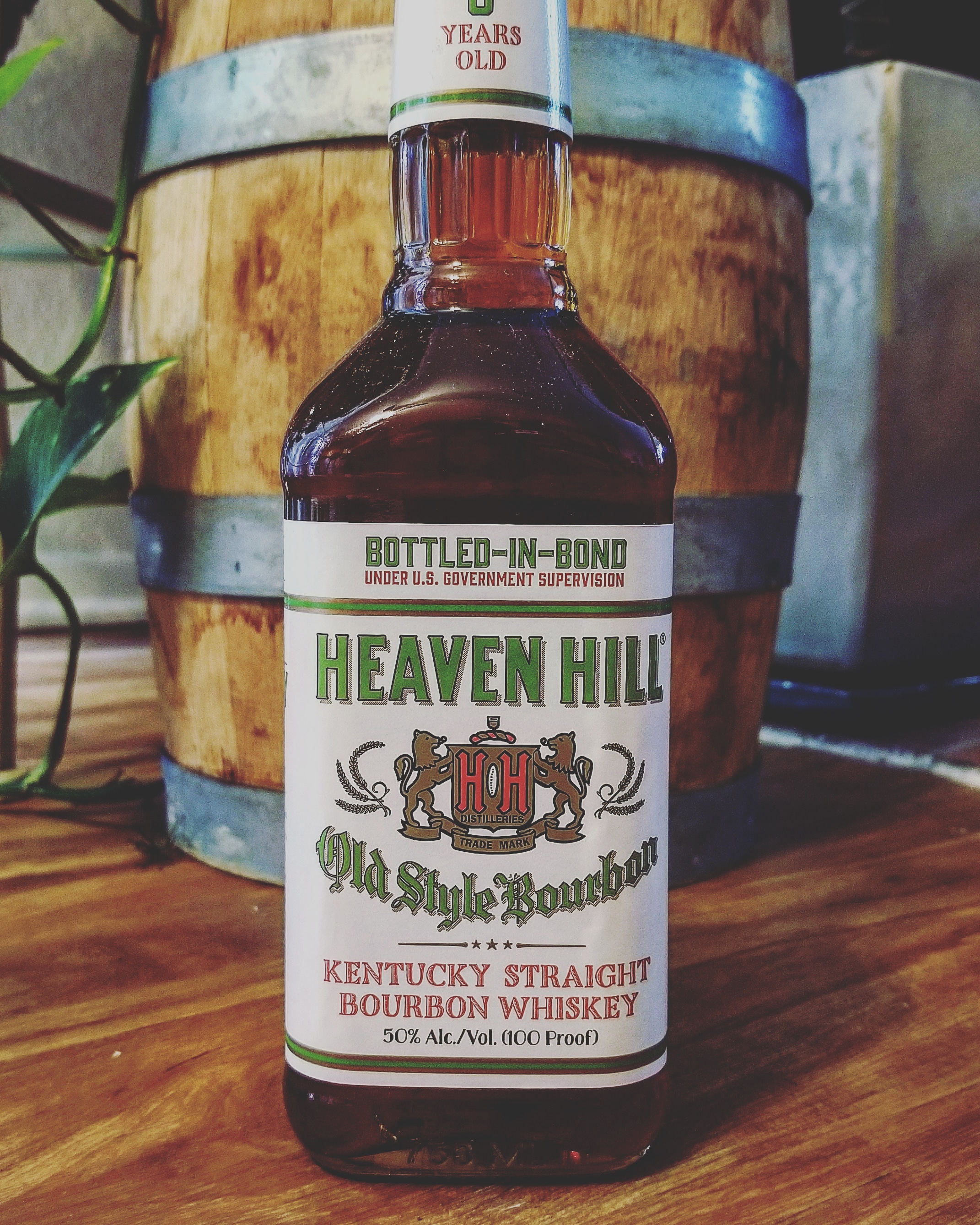
Quarantine Bottle Kill #1: Heaven Hill 7 Year Bottled In Bond Bourbon

Sheltering in place has led to a massive spike in booze sales across the United States a the days are now divided into “Coffee Hours” and “Alcohol Hours.” Being forcefully unemployed by the pandemic I’m unable to contribute to that spike and have had to reexamine my hoarding tendencies. My reluctance to open bottles, let alone finish them, has been overtaken by my belief that whiskey is meant to be enjoyed. And if not now, when?

So, join me as I work my way through my bar cart with the great Quarantine Bottle Kill of 2020.

First up is a relative newcomer: Heaven Hill Bottled In Bond 7 Year Old Bourbon. Not to be confused with the Heaven Hill Bottled In Bond 6 Year Old Bourbon which was only available in Kentucky and was discontinued in 2018. One year later this 7 Year hit shelves with an updated label, an extra year of age, and a boosted price tag.

I’ve made no qualms about Heaven Hill being one of my favorite distilleries but their lack of an eponymous bourbon certainly means they have much less name recognition as a distillery than say Jim Beam. The old Heaven Hill 6 Year was one of my favorite bottles to bring back from a Kentucky trip and at $12 was an absurd steal.

Now, what exactly does an extra year and a new label and bottle taste like?

NOSE: Chestnut, dusty leather, vanilla, and oak

PALETTE: Earthy with a strong oak presence. A dusting of baking spices and a hint of tobacco. There’s a slight woodsy quality to it with a surprisingly light punch for a bonded whiskey.

FINISH: Medium and dry with a touch of stone fruit and capped with the oak and vanilla from the nose.

This is quintessential Heaven Hill. In fact, if you told me this was the 6 Year Old bottle I would believe you. Which makes sense as it’s the exact same mashbill only a year older and released a year after the 6 Year was discontinued. You can do the math. And that’s my only real con with this bottle: the math.

$12 would be an absurd price for any quality Bourbon these days.  However, at $40 it enters a very crowded field of more household names like Eagle Rare, Woodford Reserve, and Knob Creek. While this is solid bourbon I’d personally pick up a bottle of Elijah Craig from the same distillery for a lower price tag. 

I am happy to see it on the shelves though if only to help spread the Heaven Hill name. Though if it was still at the old price point I might have been able to stock up for the quarantine instead of having to finish the bottle.

Whiskey Wednesday: Woodford Reserve Bottled-In-Bond

Let’s get meta. 

I run a blog, which you’re currently reading, called Bottled In Bond, LA. I write about bartending, cocktails and spirits, primarily whiskey but occasionally not. I’ve been doing this for a few years now and occasionally old articles will suddenly get a few more views because someone Googled a bottled in bond product that doesn’t exist. You would not believe how many people are looking for a bonded Chartreuse

About a year ago, I noticed a huge spike in an old article about Woodford Reserve. It was getting a Google search almost daily for a month. I became curious, did my own googling, and found a single Reddit post about a Woodford Bottled-In-Bond but not much else. 

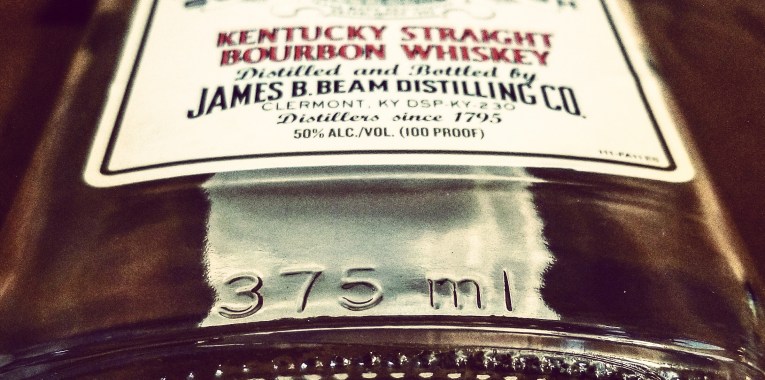
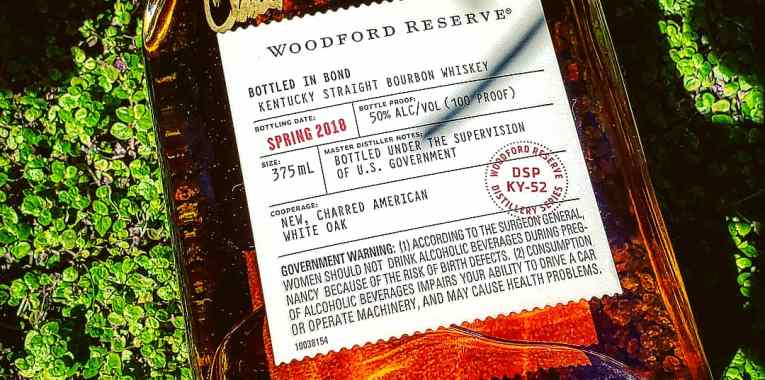
After asking around with no clear answers my friend Luke Ford, who works for Woodford, returned from a visit to Kentucky with a .375ml bottle signed by Woodford Master Distiller Chris Morris. A distillery only release of Woodford Reserve Bottled In Bond. 

My natural hoarding instincts took over, it went on the shelf and remained unopened for the past year. But why? I’ve always maintained that whiskey is meant to be drank, to be experienced, and after all the curiosity that lead to me actually receiving a bottle shouldn’t I be curious about what the whiskey actually tastes like? So, I opened it. 

NOSE: Super oak, straw, light stone fruit
PALETTE: Caramel, cinnamon, baked peach pie, with a touch of the metallic pie tin
FINISH: Bright, quick, and surprisingly light for the extra proof 

This bottle tastes exactly like what I would expect a Bonded Woodford to taste like and that is incredibly interesting to me because by all right’s it shouldn’t. 

The Bottled In Bond Act of 1897 states that to be bottled in bond a product must be produced by one distiller at one distillery within in one 6-month distillation “season.” It must also be aged in a federally bonded warehouse for a minimum of four years and bottled at 100 proof. 

It’s the one distillery requirement that makes this interesting. The traditional bottle of Woodford is made up of spirit from two different distilleries. Column Still distillate from the Brown Foreman Distillery in Shively, KY and Pot Still distillate from the Woodford Distillery in Versailles, KY. This bottle only caries the DSP Number, essentially the distillery address, for the Woodford Distillery. Meaning this should legally be only the pot still whiskey. Which to me says there should be a bigger flavor difference. In a way it’s almost impressive that this really does just taste like Woodford. 

Part of what I love about Bonded whiskey is how clear cut it is. You always know the exact distillery, proof, and process whenever a product is bottled in bond. It strips out a lot of the mystery and marketing from a brand. It was an often overlooked mark of quality on affordable whiskey. And yes, the category is seeing a resurgence and premiumization in the past few years, however these are often just upscaled versions of existing brands. They aren’t bad but they are a sign of the times and they are familiar. 

This Woodford Bottled In Bond clearly falls into this ongoing trend but this bottle also raises questions for me. Is the labeling on this very small run inaccurate or have I always overestimated the impact of the column stills on the final Woodford profile? It’s made me think about Woodford in a way that I honestly haven’t in years. I don’t have an answer to these questions but at least it’s something to ponder over the next glass. 

Whiskey Wednesday: Four Roses’ New Selection

Conservatively, I would say that 87% of the Four Roses Single Barrel depletions at any bar I work at are due to it ending up in my mouth.

Conversely, my Partner-In-Bars, Dave Purcell, would rather sit in the pool with a bottle of the Four Roses Small Batch. I’ve sourced Four Roses Barrel Strength Single Barrels and have dived into the history of the distillery in the past. All of this is to say that I am a big fan of Four Roses and became very excited when they announced their first permanent product line extension in over 12 years. And immediately became wary when they announced that it would be called the Small Batch Select. 

Four Roses is one of the two great modern distilleries to emerge from the collapse of the old Seagram’s Empire. While Four Roses languished as a bottom tier blended whiskey for the later half of the 20th century it quickly became a staple of the new Bourbon Boom in the ‘00s when the distillery was purchased by the Japanese beverage conglomerate Kirin. Under the leadership of Master Distiller Jim Rutledge Four Roses became one of the most sought after Bourbon’s in the world. This was in part due to the process that Four Roses uses to make their whiskey.

Four Roses makes 10 different Bourbon recipes. And they’re all coded so you can tell what whiskey is being used in every bottle. For every code there are four letters, the first and the third will always be the same. The first letter will always be ‘O’, signifying that it was made at the Four Roses Distillery in Lawrenceburg, KY and the third letter will always be “S” meaning that it is Straight Bourbon. 

 The second letter will then signify that mash bill. Four Roses utilizes two different mash bills:

Mash bill E, which is 75% corn, 20% rye, and 5% malted barley
Mash bill B, which is 60% corn, 35% rye, and 5% malted barley. 

These mash bills are then fermented with one of five unique yeast strains, which is designated by the fourth letter: 

K – rich in spiciness, full bodied 
O – floral, spicy, medium bodied 
Q – slightly fruity, spicy, medium bodied 
F – herbal
V -delicate fruit 

The Single Barrel is always OBSV, high rye and delicate fruit. The Small Batch is a blend of four: OBSK, OESK, OBSO, OESO, and the standard Yellow Label is a blend of all ten. Special releases throughout the years have used different mash bills in different amounts. 

My initial hesitation upon hearing about the Small Batch Select was two fold. I’m just not as big of a fan of the Small batch as the Single Barrel and I didn’t know if it would be different enough from the Small Batch to warrant a new extension. So, what makes it different?

First up is the proof. Bottled at 104 Proof and Non-Chill Filtered the Small Batch Select is hotter than the Single Barrel which comes in at 100 Proof. Second, while there is no age statement Four Roses has said that it is a blend of 6-7 year old Bourbons. Lastly, that blend is a blend of six of the recipes: OBSV, OBSK, OBSF, OESV, OESK, and OESF. We still don’t know the proportions, but this brings in distinctly different flavors from the standard Small Batch. 

NOSE: Baking Spice, red fruit, and oak 

PALETTE: Vanilla, apricot, cinnamon, oak, and dark chocolate 

FINISH: Medium and dry, tobacco and leather 

This fourth Four Roses is truly distinct from its siblings. Enough to warrant its entry to the family. My initial skepticism came from the name yet upon further research and tasting its clear that this new entry is vastly different from the established small batch while still being a technical small batch. 

It’s also important to note that this is new Master Distiller Brent Elliott’s first permanent edition to the Four Roses line up since taking over in 2015.  Coupled with previous limited releases like the Al Young 50th Anniversary and the 130th Anniversary Small Batch I think we’re getting a sense of how Brent’s palette differs from Jim’s. 

While this won’t replace the Single Barrel for me it is a worthy addition that fans of Four Roses will love but is also a great introduction for new comers to the brand. 

Drinking Poetic: The Panic Order

I’m terrible at Vodka drinks. 

It sounds elitist, snobbish, and very hipster bartender of me but it’s a fact of life. I think the problem is twofold.  

1) Stylistically, I gravitate towards stirred, booze forward drinks that include some sort of odd characteristic. I go through phases: stirred citrus, clarified everything, fruit infused sherries, etc. I essentially want to turn everything into a stirred cocktail in a Nic and Nora 

2) I’m an elitist, snobbish, pseudo hipster bartender. 

 I’m often inspired by a base flavor and then continually layer, subtract, and accentuate characteristics until an equilibrium, or deliberate imbalance, is reached. Vodka by its very nature is designed to be clean, neutral, and mostly flavorless which doesn’t often provide that spark of flavor inspiration that sends me down the path. 

Alternatively, I’m also good at “concept cocktails.” These are drinks that start as a thought experiment with a definitive theme. Combine all of the above and you have the starting seeds of the Panic Order. 

We had a couple of factors (issues) to consider. We needed a new Vodka drink for the menu. Something that was lighter, refreshing, more spring and summer in style. We also needed something that was quick and efficient to execute. Labor costs are a real issue and when planning the current menu for NoMad LA we had to account for not only the efficiency of making the drink in the moment but also the amount of labor that could go into prep hours.  

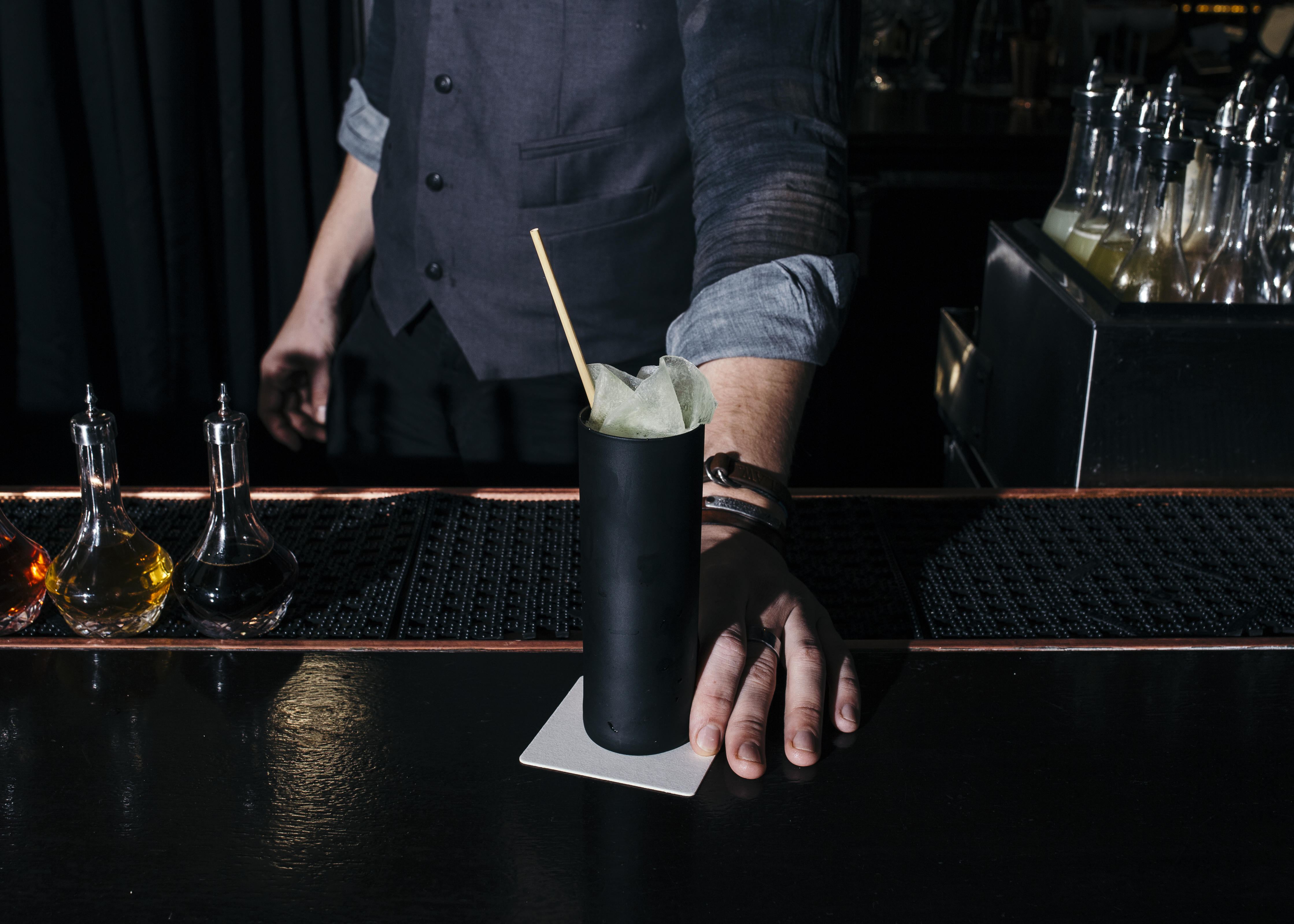
We also had a surplus of these beautiful black highball glasses that were sourced when we first opened. They were for a drink that was cut from the opening menu and during a heavy events season my fellow Bar Manager, Dave Purcell, and I started to joke that we could solve our glassware shortage by putting all of our vodka sodas into these highballs and let everyone panic order them as they walked across the floor to alleviate service.

This got the gears turning. What would be vodka soda in style, more culinarily driven, and quintessentially L.A.? The answer was clearly Kombucha. 

I spent some time talking with the fermentation nerds that are our sous chefs and put together a kombucha base made from a blend of Assam black tea and Jasmine Pearl green tea. This base sits with the mother scobe for a week eating all those delicious sugars. After that week the fruit juices are added and it’s allowed to bottle ferment for another week. This is an incredibly versatile base that allows us to build out flavors in a lot of unique ways. 

Because I was thinking of labor costs and efficiency, I wanted to create a kombucha that had a lot of complexity that could ideally be kegged and turn this into a two-step drink: pour vodka and top with kombucha. I started with a base flavor that felt very spring and refreshing, honeydew melon. To add a complimentary complexity to this I added one of my favorite secret ingredients: bitter melon. 

Bitter Melon is actually a gourd that is used in a lot of eastern cooking and because of its intense bitterness is thought to have cancer fighting properties. This intense vegetal, green bitterness also plays incredibly well in cocktails, especially as a bitters for stirred citrusy drinks. In this case it helped balance the natural sweetness of the melon and ties in the tannins from the tea. To round everything out and add just a touch more acidity some fresh lime juice was also added to the mix. 

Kombucha modeling.

In my younger years this would have been where the drink stopped. It was fine, it fit the slot on the menu, wham bam let’s move along. But part of the process that I’ve grown to enjoy over the years is the collaboration and once this drink entered the R&D tasting with Dave, Leo Robitschek, and I it evolved dramatically.

After having worked with Leo for a year and a half what I’ve learned is that our minds work very different stylistically. I’ll often present a drink with an ingredient that he finds tantalizing, he then pulls it out of the drink, and then start building from the ground up again. In this case I was essentially presenting an ingredient masquerading as a full drink. To him the kombucha was fascinating as an ingredient but not as a drink on its own so we began breaking it down and started utilizing it like we would for a beer cocktail or other collins style drink with just a few ounces to finish the drink. 

We knew we had a vodka base so we started there. We then needed a touch of sweet to balance the whole concoction and this is the place that we were hung up on the longest. Basic syrups became too cloying, fruit liqueurs were overpowering the bitter melon, and the floral notes of St. Germain completely overtook the drink at even a half ounce. We eventually settled on Dolin Genepy which complimented the bitter undertones while adding a just a touch of sweet.

We now wanted to bump the vegetal notes so we added a cucumber to the tin for the shake, and lemon juice to compliment a traditional sour base. This made the drink distinctly more green but now the fruit notes were not as strong. We tried out a few drier fruit options and ended up with a quarter ounce of apricot brandy to round out the mouthfeel while also making the fruit shine. 

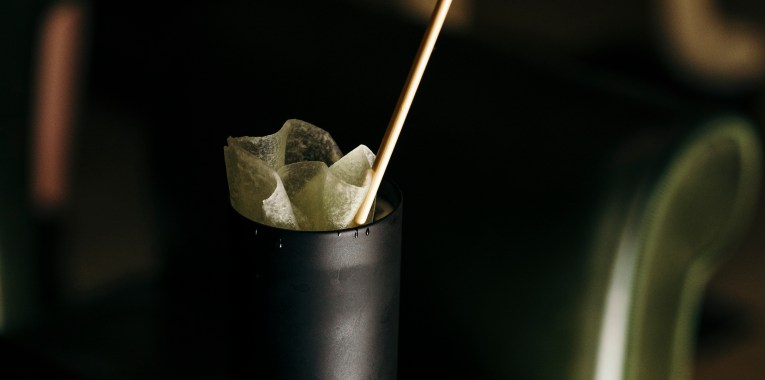
Throughout all these additions though the nice acidity of the kombucha was lost. To add that back in we turned to a few dashes each of two of the classic NoMad ingredients: yuzu and white balsamic. All it needed now was a garnish. I went back to the kitchen for some technical help and we started slicing honeydew melon in to wonderful ribbons that roll up and act as a melon flower growing out of the black highball. When the new menu went live the drink was at the top of the page on the right hand side so if you’re at the bar and don’t know what to get the Panic Order is ready and waiting for you. 

This, however, isn’t the end of the story. Things are constantly changing and evolving, one of the core tenants of the NoMad is “Constant Reinvention”, and this means constantly retasting drinks. On a recent whirl wind visit Leo was secretly ordering drinks for quality control. He loved the feel of the menu but felt that the Panic Order was too dry. We went though a mini R&D process again trying different basses ultimately ending up simply adding a teaspoon of agave. This makes the drink much rounder and balanced with a negligent increase in sweetness. Though as I sit here typing this I wonder what would have happened if we tried a half ounce of Green Chartreuse instead of the genepy… 

But, for now, our Panic Order is: 

1 cucumber slice
5 dashes of White Balsamic
5 Dashes of Yuzu
Tsp Agave
.25 oz Apricot Brandy 
.5 oz Dolin Genepy
.5 oz Fresh Lemon Juice
1 oz Absolut Elyx 

Combine all ingredients in a cocktail shaker. Whip Shake and double strain over Kold Draft ice in a black highball. 

Top with Bitter Melon-Honeydew Kombucha, garnish with a Honeydew Melon Ribbon, and Keep Calm.

Bitter Melon-Honeydew Kombucha Recipe 

15g Assam Tea 
15 g Jasmine Pearl Green Tea 
1650ml Hot Water 

Steep each tea individually for 5 minutes each for a total brew time of 10 minutes.
Add another 1500ml water and 300g of sugar.
Mix Until sugar is fully dissolved.
Let this sweet tea cool then add the mother scobe.
Cover the container in cheesecloth and store in a cool, dry place for one week.
After a week gently remove the scobe and store in a clean container with 200ml of the mother vinegar.

To the kombucha base add:

250ml honeydew melon juice
100ml bitter melon juice
50 ml fresh lime juice

Bottle ferment in a cool, dry place for an additional week. 

Hand made and hand presented.


Whiskey Wednesday: Teeling’s 24 Year Old Single Malt Award

Awards are a fickle thing. Being the “best” is an arbitrary construct that essentially says that something followed the rules really well. Without a larger context the sentence “an Irish Whiskey wins best single malt in the world for the first time” doesn’t carry any meaning even if it is 100% factually accurate. Which it is. 

In March of 2019 the World Whiskey Awards, presented by the thedrinksreport.com, announced the Teeling 24 Year Old Irish Single Malt whiskey as the Best Single Malt in the world. Much of the conversation after this announcement was how Ireland had won an upset victory over Scotland, the home of Malt Whisky. Especially since an Irish Whiskey had never won this award before.  

But the World Whiskey Awards have only been handed out since 2012. Meaning there haven’t been many opportunities for an Irish Whiskey to make the list. Also, in 2014 the same awards selected a Taiwanese whiskey as the best single malt so there was already precedent for Scotland not being the top dog. 

It’s easy to see the headlines as mere clickbait but there’s a deeper story. Ireland isn’t traditionally associated with Single Malt whiskey, for a wealth of historical reasons, so they’re not going to traditionally win single malt whiskey awards. And while Irish Single Malt has been made for centuries if anyone was going to win an award it was probably going to be the Teeling’s.

The Spirit of Dublin

The Teeling family first got into the Irish Whiskey game in 1782 when Walter Teeling established a distillery on Dublin’s Marrowbone Lane, an epicenter of distilling at the time. This original distillery was eventually purchased by William Jameson & Co., cousins of the more famous John Jameson. This original distillery was shuttered in 1923 as economic woes began to systematically destroy the Irish Whiskey industry. In fact, by 1976 every single distillery in the city of Dublin had shut its doors. Then in 2015 Teeling reestablished itself in Market Square, not far from the family’s first distillery.  

Now, if you’re paying attention you’re probably asking, “How does a four year old distillery win an award with a 24 year old whiskey?” and the answer reveals another layer.

The new Teeling Distillery was founded by John Teeling and his sons, descendants of good ol’ Walter, and it was not his first time starting new Irish Distillery. In 1985 John purchased an old industrial alcohol production plant in Cooley and began converting it to an actual whiskey distillery. It reopened in 1987 as the Cooley Distillery and was the first “new” distillery in Ireland in at least a decade. 

Over the next several years the Cooley Distillery gained a reputation for quality and excellence in style. One of those being a distinctly Irish style of single malts. The Tyrconnell has always been one of my favorites, winning the International Wine and Spirits (IWSC) Gold Medal in 2004. They also gained a cult following with the Connemara, a peated Irish Single Malt, and the distillery quickly became a go to source for the slowly growing segment of drinkers looking for Irish Single Malt. After winning “Distillery of the Year” from the IWSC in 2008 and then the same award from Malt Advocate Magazine in 2010 the distillery was sold to Beam, now Beam Suntory, in 2011. 

With all of this old Cooley whiskey I assumed that this bottle was old Cooley malt but after talking with people who know more about these things than I do it turns out that this is actually old Bushmill’s Single Malt.

As part of the sale Teeling kept 16,000 barrels worth of whiskey from Cooley and used that stock to establish the new Teeling brand in 2012, quickly followed by the new Dublin distillery three years later.

With all of this old Cooley whiskey I assumed that this bottle was old Cooley malt but after talking with people who know more about these things than I do it turns out that this is actually old Bushmill’s Single Malt. This adds yet another layer to the story as trying to pick apart who distilled, blended, aged, and otherwise had a hand in this whiskey over the years.

Here is a family, accustomed to winning awards winning another award on a whiskey that seems to have a foot in almost every part of the active Irish Whiskey world.

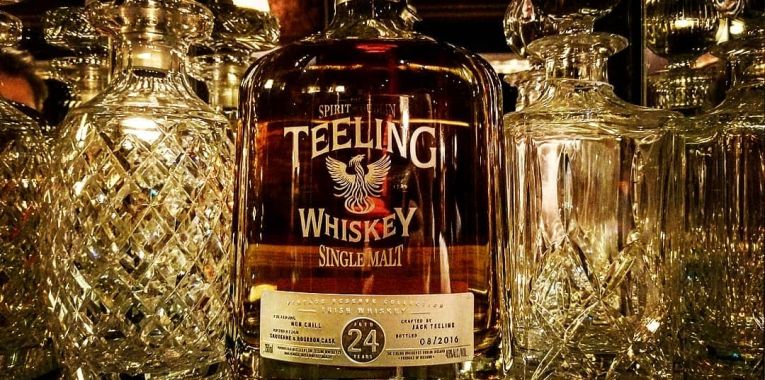
Whatever its providance the whiskey itself is a 24 Year Old Single Malt Irish Whiskey distilled in 1991. It was first aged in ex-Bourbon barrels before being married and further aged in ex-Sauternes casks. How much time it spent in each barrel type is unknown. Only 5000 bottles of 92 proof (46% ABV) non-chill filtered whiskey were produced, meaning that even if it wasn’t the best it’s still one of the rarest and oldest Irish whiskies on the market.

NOSE: Orange Zest, apricot, a slight nuttiness, and a bittersweet chocolate 

PALETTE: Honey and malt, bright stone fruit, leather, caramel and a sprinkle of saltiness 

FINISH: A long mellow finish that leans into the saltiness and the Sauterne finish 

After all that, is this the best Single Malt in the world? I have absolutely no idea. It certainly falls into the rich flavors that I expect from old, indulgent malts yet it also presents a few flavor curve balls and is surprisingly alive which helps it stand out. 

This is a malt that is relying on the past while building a future. It’s caught between multiple worlds and you can almost taste the journey it’s been on. Best may be a matter of opinion meant to generate buzz but the more I’ve learned about where this whiskey comes from the more interesting it’s become.

Whiskey Wednesday: Dry(ish) January

On January 16th, 1919 Nebraska became the 36th of the 48 states that composed these United States of America at the time to ratify the 18th Amendment thus beginning the “noble experiment” that was Prohibition. While Congress didn’t ratify the Amendment until January 29th, and the sale of alcohol wasn’t made fully illegal until January 20th, 1920, it was this date and this vote that set us inexorably down the dry path. And every “Dry January” I’m reminded why I so fundamentally disagree with that decision.

This year over 4 million Americans, including myself, are participating in Dry January, a self inflicted month long Prohibition. After the often booze soaked holiday parties, family visits, and New Year’s parties it makes sense that many people would be feeling the hangover and want to start the New Year with a clean slate. Advocates of Dry January point to increased energy and better sleep, as well as claims that a month long absence of drinking can help reverse some of the damage done by long term drinking. Yet despite these benefits I find myself nearly every day saying “Dry January is dumb.”

I grew up Catholic. Once a year, during Lent, everyone I knew would give up one “vice.” It was usually something absurdly innocuous like candy or soda, but there were a fair amount of people in my community that would go sober for the season. However what I noticed about myself and the people around me, was that this was less of a sacrifice or abstinence but more of an obligation. We weren’t giving up these habits because we were looking for change but rather the illusion of self gratification.

It is self reflection, rather than self prohibition that I would argue for.

As the days ticked down the forbidden substance became more alluring until finally on Easter there was an explosion of indulgence. Children who had been starved of sugar for a month were given literal baskets of candy, those on diets were treated with a feast at Easter Brunch, bottles of wine were cracked, beers were popped, and the spirits did flow.

Now don’t misunderstand, I fully support the idea of self improvement and of examining one’s own personal relationship with their vices and habits, especially when it comes to alcohol, but the self reflection needed for true understanding and growth always seemed lacking from these yearly rituals. People were controlled by the absence of their vices nearly as much as they were beholden to those vices.

I’ve noticed this in my own experimentation with Dry January, which if I’m being honest is really just more of a “Drier” January. This isn’t from lack of will power either, it simply because life is complex, which has always been: a much needed long weekend in Palm Springs with the girlfriend called for a few martinis over a steak dinner, a celebratory dinner at a cocktail competition deserves a communal toast, a complimentary upgrade to first class on a flight cross country nearly demands a glass of wine, and that’s just the first two weeks of the year.

I’ve found myself in these situations actively denying myself from participating in moments of community because of a hardline rule about that is ostensibly about improving my life. And I have learned from my time sober. Particularly, I enjoy realizing how much casual drinking I participate in, and noticing how much even a single drink effects my body. It’s also thrown into focus those times where a drink feels warranted and I’ve deliberately made decision to partake in those communal experiences without feeling like I’m betraying the ideals of my time sober. Yet I have remained dry on more days than I’ve been wet, and it’s a choice I want to make every day.

It is this self reflection, rather than self prohibition that I would argue for.

Instead of “Dry January” might I suggest the “Deliberate Year”

The proponents of Prohibition argued that it would reduce violence, organized crime, promote public health, and generally improve the morals of the country. History proved them pretty drastically wrong primarily I believe because people had no choice. People were not choosing to reduce their consumption to increase their “overall moral character” but were being forced into it, in the same way my family and friends felt obligated during Lent, and over 4 million American’s feel locked into a New Year’s resolution.

I’ve always argued that going dry is untenable because there’s this dinner coming up, or this trip happening, or a myriad of other excuses but that paints a picture to starkly in black and white. It’s what happens in the grey spaces between where change can happen, because there is nothing wrong with raising a glass for a thoughtful reason. So, instead of “Dry January” might I suggest the “Deliberate Year” where we take the time to examine why we want something, why we derive pleasure from it, and adjust our relationship with ourselves rather than our vices.

Sounds exhausting doesn’t it? I think I need a drink…

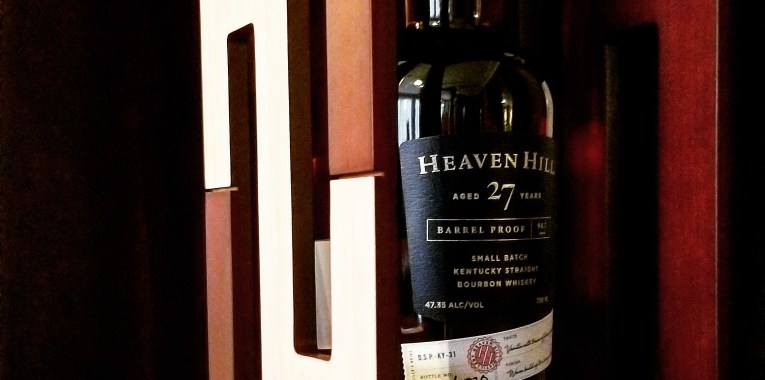
Whiskey Wednesday: Heaven Hill 27 Year Old Barrel Strength

Reinvention is the key to longevity.  No matter how often you hear something being touted as “Old Fashioned” chances are it’s actually an update on an old technique or just straight up marketing. We are constant victims of nostalgia, even the term “Old Fashioned” implies a dissatisfaction with the modern. Yet as much as we glorify the past the only way to truly stand the test of time is by constantly changing.

            Take Heaven Hill’s new premium, limited edition release: the eponymous Heaven Hill 27 Year Old Barrel Strength Straight Kentucky Bourbon. Those are a lot of buzz words that add up to a lot of the old being new, just slightly different.

            Let’s start at the top.

Unless you’re from Kentucky, Heaven Hill probably isn’t a brand you’re familiar with. But if you drink Bourbon it’s a distillery that permeates the very fabric of the category. Founded in 1935, Heaven Hill is the 7th largest alcohol supplier in the US, has the second largest inventory of American whiskey in the country, and is the largest, independent, family owned marketer and producer of spirits in the United States.

In an industry that’s built around the cult of personality and legends of the past (Jim Beam, Pappy Van Winkle, Jack Daniel’s, etc.) Heaven Hill built their name on other people’s legends: Elijah Craig, Evan Williams, and Henry McKenna. Hell, their master distiller since the founding of the distillery has always been a member of the Beam family.

However, they’ve never had that flagship, namesake bottle. Outside of a few specialty releases named after William Heavehill, the farmer who owned the land the distillery was built on, the only true bottling to carry the Heaven Hill name is a 6 year old, bottled in bond, Kentucky exclusive. And this bottle perfectly encapsulates the company in my mind.

IMG_20181226_173949_487.jpg

            Heaven Hill kept the bottled in bond designation alive when no one cared and can be directly credited to it’s resurgence with products like Rittenhouse Bottled In Bond Rye. It’s also a 6 year old, straight Bourbon whiskey that ran for $12 dollars a bottle. It is quality at an incredibly affordable price, which is something that Heaven Hill has done well for so long. It also isn’t what the whiskey world is about anymore. These days it’s all about limited, old and rare so it should be no surprise that this little gem has been discontinued in favor of creating a more premium line up.

            Which brings us to the age statement.

            American whiskies, almost as a rule, don’t get this old. The oldest, most consistent age statement caps out at the yearly release of the Pappy Van Winkle and Elijah Craig 23 Year Olds, the latter also being produced by Heaven Hill. Because of the law requiring Bourbon to be aged in brand new oak barrels Bourbon this old just doesn’t taste that good, because it’s often over oaked or overly tannic. There’s also the catch that the Angel’s Share steals a percentage every year meaning there’s less to sell and that’s not taking into account the unpredictable acts of nature. A lot can happen in 27 years.

            At 27 Years Old this batch of a mere 41 barrels were all aged on the 1st or 2nd floors of the Heaven Hill rickhouses where the Angel’s Share is arguably at its most minimal; but with only 2,820 bottles produced that’s still a loss of 75% of the juice.

            This whiskey can also never be replicated due to an act of god. In 1996, the Old Heaven Hill Springs Distillery burnt to the ground taking hundreds of barrels, and gallons upon gallons of aging whiskey with it. These 41 barrels were not only produced at a destroyed distillery, they survived an inferno that took much of its cousin spirit with it. This isn’t just rare because of its age, it’s both rare in addition to its age.

download
Heaven Hill goes up in flame.

The Barrel Strength designation is where things get really weird. There is no legal definition for what “barrel strength” means. In fact the TTB is currently working on a new set of regulations specifically about that designation, but in colloquial use barrel strength is generally expected to mean that the whiskey is bottled at the proof it comes out of the barrel at which is usually well north of 100 proof. It is shocking then to see this barrel proof listed at a measly 94.7.

            This goes back to those 41 barrels on the 1st and 2nd floor. The lower flowers generally allow for more mellow aging that reduces the Angel’s share lost. However, it also creates a naturally lower ABV as the alcohol evaporates faster than the water. This literal loss of alcohol is another reason why you don’t see whiskey this old from Kentucky. One of the perks of not having a template though was that these barrels weren’t selected with the idea of creating consistent flavor profile like most standard bottling. Instead these were the barrels left standing. After everything that was over oaked, overly tannic, too harsh, too soft, etc only 41 barrels were left and when batched together the naturally occurring ABV was 47.35, resulting in a technical Barrel Strength whiskey at an incredibly drinkable 94.7 proof.

            The rest of the words we know. Straight Kentucky Bourbon means that it’s legally 51% corn whiskey, made in the state of Kentucky, aged for a minimum of 2 year in brand new, freshly charred, white oak barrels with no added coloring or flavors.

            That’s a lot to take in for a single bottle. And it’s surprisingly alive. Heaven Hill has released a lot of one-off older whiskies. They’ve got deep, deep store houses yet in my opinion a lot of them have fallen flat. There was always something just off about them whether they were over oaked, or they felt thin because of the proof point. Whatever that missing puzzle piece was they seem to have found it with this bottling.

And in the end this is less about of a single bottle and more a culmination of Heaven hill’s journey over the past three decades. Bourbon has gone from the unwanted step-child of the spirit world to a global commodity and the Heaven Hill brands have evolved to keep pace. They’ve gone from affordable work horse whiskies into some of the most awarded and sought after bottlings in the world. And with this pivot Heaven Hill may have finally found a brand to highlight the gems that are sleeping in those Kentucky hills. I just hope we don’t have to wait another 27 years to see them.


NOSE: The Oak leaps out of the glass, there is a seasoned cedar wood quality with only a mild hint of the vanilla often expected.

PALETTE: Tannic, with a dried orange, and deep baking spice note. The caramel takes a major back seat only slipping out towards the end while the mid a palette is all about that earthy, savory oakyness.

FINISH: Incredibly dry, and a lingering mélange of everything that reminds you of your grandfather: tobacco, cigars, and leather that lasts longer that it’s proof would suggest.

IMG_20181226_173949_487.jpg

Open Bottle: Nineteen Eighty-Four JURA

“Who controls the past controls the future. Who controls the present controls the past.”

Released in 1949 George Orwell’s masterpiece Nineteen Eighty-Four often feels as alive and resonant as it must have when it was first published. Reading the headlines it feels like doublespeak, Big Brother, and New Speak have leapt from the lexicon of the theoretical into the mundanely of reality.

What was once meant as a cautionary tale has instead become the blueprint for how entire organizations operate.

The world has become vastly interconnected since 1984 and people are starting to realize how small a piece of the global whole they actually are. Some have risen to the challenge and sought to make their corner of that cold, distant expanse warm and welcoming. The seek to grow their communities.

Others, however, have become jealous of their small portion and rather than growing they shrink. They shrink from responsibility, from compassion and not only do they personally shrink they seek to diminish the world around them. To force the world to be smaller, leaving no room for those that are different or for those who seek an equal share in the world in which we must cohabitate.

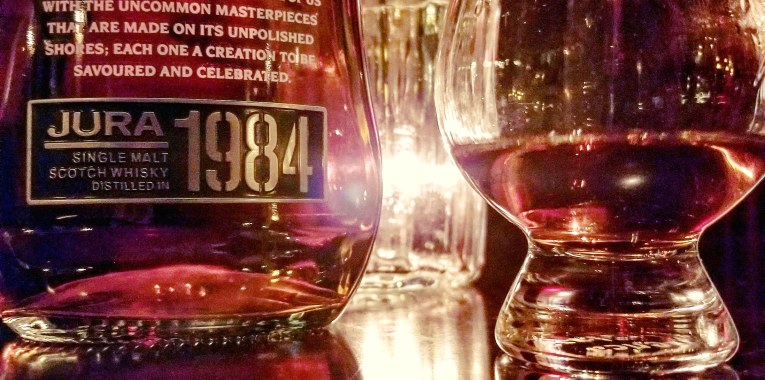
Not exactly light, whisky sipping, thinking but these are thoughts that are constantly on my mind these days and were brought into sharp focus when presented with a dram of Jura’s 1984 Edition.

The Isle of Jura lies off the North-East shore of Islay, has one road, one pub and one distillery, the eponymous Jura. Orwell described the island as “extremely unget-at-able” which remains very true to this day. It was at the “unget-at-able” locale that Orwell wrote the bulk of Nineteen Eighty-Four while incredibly ill with tuberculosis fro 1947-1948. It’s this act of creative output that Jura is honoring with the 1984 Edition.

Casked in 1984 and bottled in 2014 this 30-year-old single malt was aged in ex-Bourbon, Amoroso (cream) sherry, and Apostoles Oloroso sherry casks. Only 1,984 bottles were released world wide making it a rather limited release. This is a lot of attention to detail to pay homage to an event that happened when the distillery didn’t exist.

The distillery was built in 1810 but fell into disrepair at the end of the 19th century. It wasn’t rebuilt and operational again until 1963. So there is clearly a bit of a marketing gimmick tied into this release, which is nothing new to the spirits world, and unlike most gimmicks this whisky is a phenomenal product.

NOSE: The nose is rich, redolent in those sherry aromas with nutmeg, dark dried fruit, raisins, and a noticeable touch of the sweet.

PALETTE: Deep cherry and candied orange peel. There’s also a hint of roasted peaches with a large dollop of honey and, of course, oloroso sherry.

FINISH: The dram has a medium finish that lingers with a surprising amount of spice for how sweet it starts, leaving the dry baking spices and a touch of dessert.

I don’t care what your marketing angle is as long as it’s true and the product is good. And this product is exceptional. The story being crafted is a bit forced but it is also clearly the result of a small community taking pride in its past and continuing to build for its future.

It is perhaps unfortunate that Orwellian thoughts float through my mind while sipping on this malt but then again the age that we live in requires us to be active participants in the world around us, even when just sipping on a whiskey.

Education is the best tool we have to enact change and I, for one, would not have known that George Orwell wrote Nineteen Eight-Four on Jura with out this bottle. With out this bottle I wouldn’t have spent a week researching and reflecting on the themes of a book I haven’t read since high school. Not only was I researching but I was also reexamining these themes in the light of the modern world and my adult experiences.

We must stand up, we must think for ourselves and not simply walk the party line. We must not become orthodox for, “Orthodoxy means not thinking–not needing to think. Orthodoxy is unconsciousness.”


P.S. VOTE

Drinking Poetic: The Old Fashioned

“I prefer things the Old Fashioned Way!” said every generation ever as things changed around them.

The Old Fashioned is my favorite cocktail. It appeals to me on such a deeply intellectual level that it rivals the psychic imprint that Lord of the Rings had on me in the third grade. And the imprint this simple drink has had on the world of cocktails is just as deep. But what exactly is an Old Fashioned?

Due to the past 15 years of the Cocktail Resurgence and the dissemination of information on the Internet, most bartenders outside of Wisconsin will tell you that an Old Fashioned is a basic cocktail comprised of Spirit, sugar, bitters, and water/dilution. If they’re particularly good they might ask if you have a preference on Bourbon or Rye but most would balk at the idea of making it with a different spirit or, god forbid!, serving it up instead of on the rocks. Yet all of these are part of the innumerable variables that are a part of the drink’s history.

Over the past 200 years the drink has survived, thrived, been basterdized, been reinvented, reimagined and misunderstood. But why does it work?

An Old Fashioned is quite simply the Ur-Cocktail. The original, OG, never to be replicated, cocktail. Once upon a time, when words and facts still meant something, a cocktail was just one of many mixed drinks families that each had their own rules and regulations for entrance to the family retreats.

The original definition of “cocktail” first appears in a newspaper in Hudson, New York on May 13th, 1806. In answer to the question, “What is a cocktail?” editor Harry Croswell responds, “Cock-tail is a stimulating liquor, composed of spirits of any kind, sugar, water, and bitters—it is vulgarly called bittered sling, and is supposed to be an excellent electioneering potion, in as much as it renders the heart stout and bold, at the same time that it fuddles the head. It is said, also to be of great use to a democratic candidate: because a person, having swallowed a glass of it, is ready to swallow any thing else.” Sounds familiar doesn’t it?

While later generations of bartenders would claim the drink was invented at The Pendennis Club in the 1880s the etymological roots of the drink have always been more believable to me. As you may imagine drinks were made very differently in the early 1800s from how they are now, no matter how “pre-Prohibition” a place claims to be deep down we know it’s not the same. Now imagine that you actually did know what it used to be like and all these new changes, changes like plentiful ice and clean water for making simple syrup, are ruining your favorite drink. So instead of getting it done with all these new age techniques you would ask for your cocktail “the old fashioned way.”

It all starts with that base spirit. Forevermore this drink will be linked to whiskey but it works with any base spirit, any at all.

Over the past 200 years the drink has survived, thrived, been basterdized, been reinvented, reimagined and misunderstood. But why does it work? Why has this drink lasted through the centuries why so many others have disappeared to never be drunk again? This is what triggers my intellectual arousal.

What this drink does is trick our brains. It takes basic tools, and basic culinary science, and polishes the rough edges off of a spirit allowing the heart and magic that is the core of it’s flavor. Unlike a sour or a daisy that seeks to fully incorporate a wide range of flavors into one cohesive whole, essentially masking the alcohol, this seeks to enhance the elements that are already there. It highlights the spirit.

n-POURING-WHISKY-large570.jpg

It all starts with that base spirit. Forevermore this drink will be linked to whiskey but it works with any base spirit, any at all. Into the glass goes a fiery, untamed, uncultured pour of pure unadulterated water of life in what ever form you please. The base is laid and everything that emerges from this drink is birthed from this primordial ethanol ocean.

Bitters.jpgNext is added a few short dashes of bitters. Bitter is an interesting flavor. Science still debates why exactly we taste bitter but the general consensus is that we evolved the capacity as a way to detect poisonous plants. This is also why a little bitter goes such a long way. Our brains are hardwired to recognize the bitter before anything else. It doesn’t matter how mouthwatering delicious something is if it’s going to ultimately kill you. Now couple this with the fact that pure alcohol is actually poison but doesn’t actually taste like anything. What we often recognize as “alcohol” is really just the upfront burn. This touch of bitter is a stage magician. We’re so focused on the bitter that we don’t notice the alcoholic burn that it just slipped past our taste buds.
Sugar.jpg

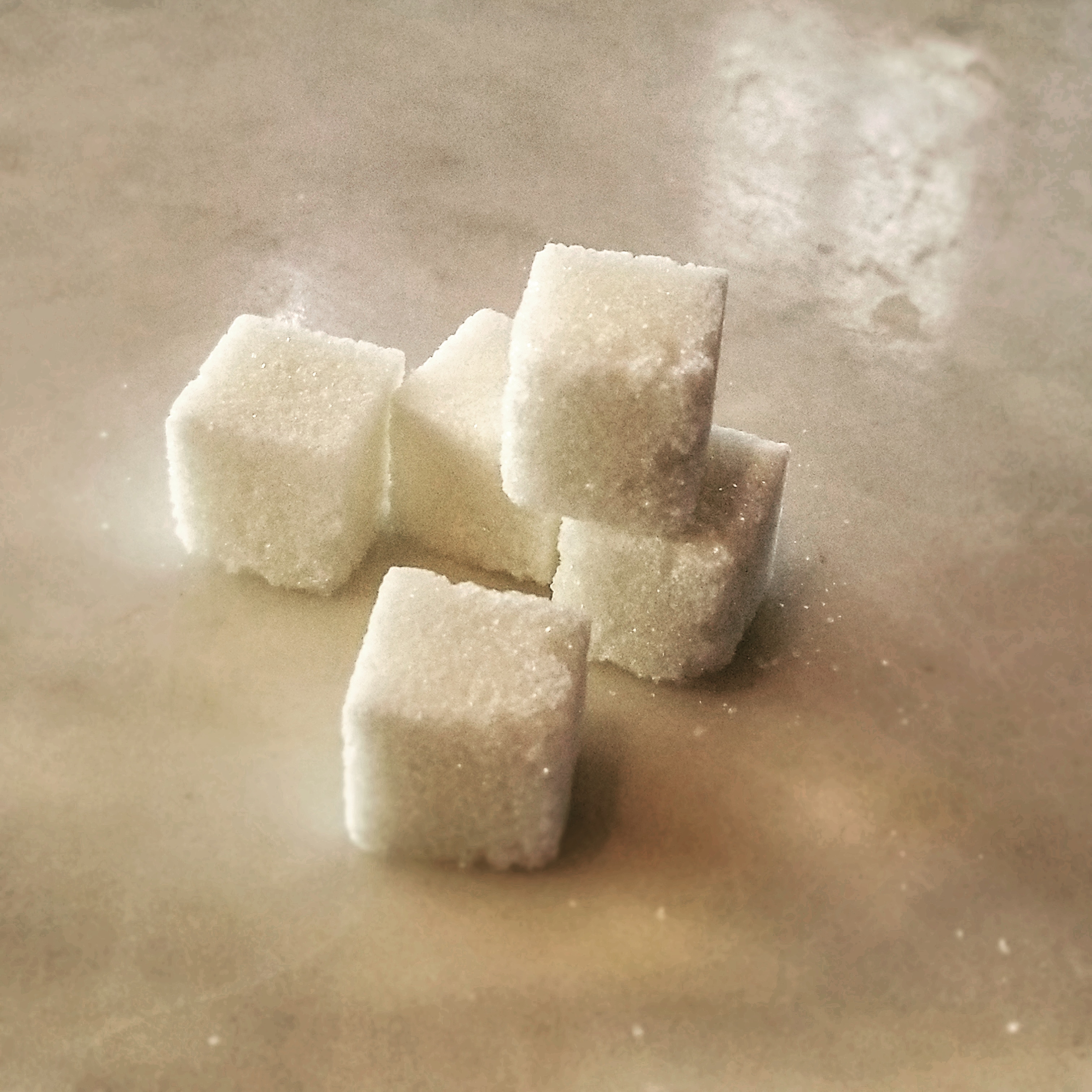
But bitter tastes are unpleasant and while it only takes a splash to fool our monkey brains the end drink shouldn’t taste bitter. This is where a spoonful of sugar helps the medicine go down. A touch of sweetener rebalances the added bitter element. It should not be sweet, it should not be cloying, it should be just enough to balance the flavor scales.

Ice.jpgNext up is dilution. While alcohol itself has no flavor it acts as a great transport for flavor. Ethanol caries those flavors molecules in a magical solution but it keeps them locked up tightly. A little dilution opens those locks and lets the heart, the true flavor burst through.

Then the drink is finished the same way it’s started with a touch of aromatic, these days in the form of expressed citrus oils to enhance the newly awakened flavors but in the drinks proto-form nutmeg was also used. The idea is once again to sneak past that alcohol burn, except this time we’re pulling a fast one on our olfactory sense.

All of this combines for the perfect cocktail. All of the parts are interchangeable. Change the sugar for vermouth and you end up with a Manhattan or a martini. Swap the dash of bitters for a grand bitter like Campari, a bottled form of that bittersweet, and you end up with a negroni or a boulevardier. Or simply take the sugar, turn it into a simple syrup, fully dilute the cocktail and serve it up and you end up with a New Fashioned Cocktail. The very process and innovation that the first drinker shook their fist at and declared that they wanted an Old Fashioned with their muddled sugar cube and ice IN the glass.

So, after all that how do I drink my Old Fashioneds? Intellectually.

But also with a small brown sugar cube soaked with Angostura bitters, just enough to saturate the cube, then dropped into the bottom of a rocks glass. Add a splash of soda water, just enough to allow the bitters soaked sugar to be easily and fully muddled. Add two ounces of Bonded Rye whiskey, a large ice cube, stir, and then express the oil from a small slice of lemon and of orange over the top. Sip, drain, and repeat until the dawn comes.

Whiskey Wednesday: Time For Toki

In Japanese Toki means ‘time’ and the adage goes in time everything comes back around. In a market obsessed with single malts Japanese Whisky is an ongoing example of the relevance and power of blends. Since importing whisky making from Scotland nearly a century ago distillers in Japan have been breaking down the individual components of the craft and reassembling them into works of art. Though the more disparaged styles, like grain whisky or blends, have taken a front row seat next to their single malt brethren. And they’re holding their own. This quality and craftsmanship hasn’t gone unnoticed which has lead to a massive boom in popularity. Which is great, because you can never have enough good whisky. But it’s also terrible because it’s becoming increasingly hard to find and holy hell look at that price tag!

Hoping to fill that gap is the Suntory Toki. Made by the same folks behind Hibiki, Yamazaki and Hakshu. And in fact, the component distilleries are the same as those that make up the Hibiki style blend. These are the Yamazaki and Hakushu distilleries as well as the Chita distillery, which you’ve probably never heard of. Relatively unknown in the West, Chita is the Grain Whisky distillery that is traditionally used to accent the malts produced in the Yamazaki distillery. In the Toki, however, the Chita’s ‘heavy type’ grain whisky takes center stage along with Hakushu malt aged in American white oak. They are then supported by two different Yamazaki Malts: an American Oak malt and a Spanish oak malt. All of the traditional components are there.

The result is an incredibly light whisky. Rich pear, apple and a green fruit, with a light oak presence and almost no edge. It’s incredibly approachable but not any where close to reaching the haloed status of its older siblings. But not everything needs to be a living legend. Sometimes you just want a damn good highball and there is nothing wrong with that.