Every now and then I like to remind myself that Irish Whiskey isn’t spelt “Jameson’s.” I’ve talked about the explosive growth of Irish Whiskey before but here are some quick facts.
While everyone is gaga for Japanese whiskey as a luxury product Irish whiskey is expecting to double its sales by 2020. In 2014 Jameson’s sold 18 million liters in the US alone. The Scots and the Irish will fight until the Sun goes cold over who first created whiskey but there’s no debating the fact that it was Irish monks that tought most of the Western World how to distill. Hell, even the word “whiskey” is an Anglicization of “uisge beatha” which is Gaelic for water of life. The Irish are indelibly linked to whiskey so what’s the problem? It’s a monoculture.
Need proof? In 2014 Jameson’s closest competitor, Bushmill’s, sold a whopping 1.3 million cases. Jameson’s currently accounts for 63% of the global Irish whiskey market. Monocultures are great for business but are incredibly susceptible to full scale collapse. Look at what’s happening to the Chiquita bananas or how the agave industry is actively working to reinvigorate the gene pool with the Bat project.
Irish whiskey has traditionally lived and died with the American market and like so many other things it was ruined by Prohibition. On top of that throw in the Irish War for independence, a civil war, trade disputes with Great Britain, and you end up with an industry made up of over 160 distilleries and 400 brands reduced to a mere two distilleries in the mid-70’s.
The remains of the Irish whiskey industry banded together to form Irish Distillers which was then purchased by Pernod Ricard in the late 80’s. They then began the massive push to get people to drink Irish. It worked and since 1990 Irish whiskey has been the fastest growing spirit in the world. It’s ballooned the industry with 32 new or proposed distilleries across Ireland. Not bad for an industry long sustained by only four distilleries and of those four only one has been in operation longer that 1975.
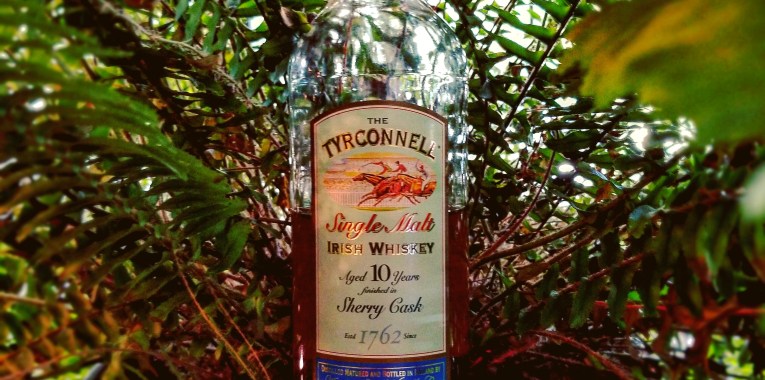
It’s a old industry with new blood and the near death of the industry left many historic brands and styles in the grave. Irish Single Malts and Tyrconnell are great examples. Tyrconnell was the flagship brand of the Old Watts Distillery, It takes it name from a racehorse who won the National Produce Stakes in 1876 at literally at 100 to 1 odds. It was incredibly popular in the US, there are photos of Yankee Stadium at the turn of the century with Tyrconnell ads on the billboards. But prohibition shuttered the brand and the distillery in 1925. The Brand was revived by the Cooley distillery in the 80’s.
It’s made in traditional Single Malt Style, 100% malted barley and double copper pot still distillation with no peat, and then aged in ex-Bourbon Barrels. The 10 Year Old Madeira Cask Finish is my real jam though. A light, fruit forward whiskey with bitter chocolate, green, tropical fruit, and a incredibly creamy finish. It’s one of those whiskies that slips below the radar while being incredibly excellent. And they’ve gotten to the place where they are now planning on a limited release of a 16-year old Single Malt. And maybe that’s the silver lining to the Jameson’s problem.
All of this growth in the Irish whiskey world is being fueled and often literally paid for by sales of Jameson’s. For many people that’s all Irish whiskey will ever be which leaves a lot of hidden gems to be found flowing from the Emerald Isle. The world has caught on to Bourbon, its caught on the Japanese whisky, hell its even caught on to Taiwanese whiskey, but not Irish. Not yet anyway…
The days of Yamazaki and Weller Antique being undervalued have faded and instead of being sipped and shared it’s now being hoarded and auctioned. And i miss sipping and sharing. And at least with Tyrconnell I still can.
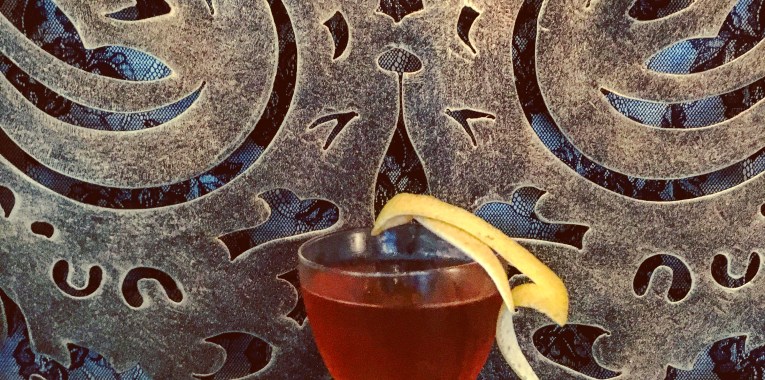

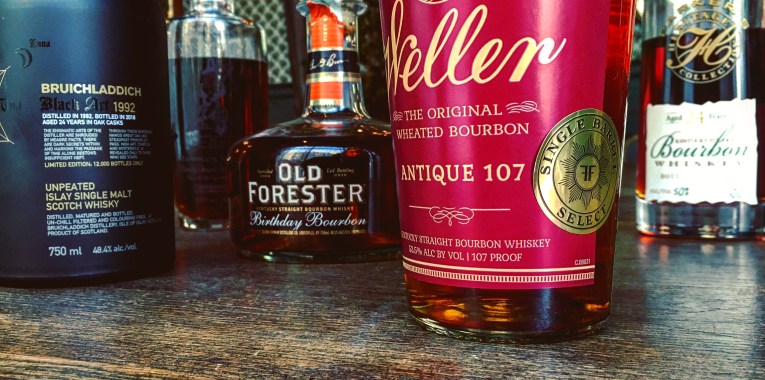


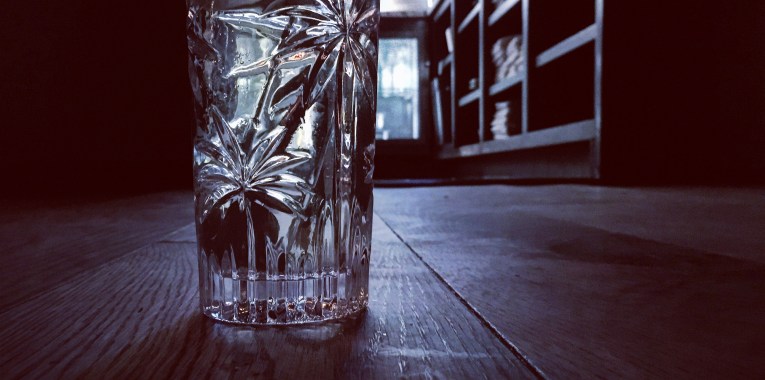
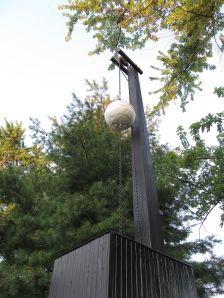 The highball is nothing new. It’s a simple class of drinks: a shot of spirit diluted with several ounces of a carbonated beverage on ice. My favorite rationale for where the term “highball” originated from comes from the old railroad days. Along the rail tracks there were “highball” signals where a ball would be hoisted out of a barrel signaling that the track ahead was clear and the trains could travel full speed ahead. A “highball” drink was at the time served in a highball glass with a single lump of ice. As the soda was added to the glass the ice would rise just like the highball signal telling drinkers they could dive in at full speed as well as quickly down the remainder of the drink when their train pulled in.


 Almost every year, as reliable as new iPhone releases, someone touts a new aging process that’s a breakthrough that allows for rapid aging, creating the equivalent of a 12-year old scotch in a fraction of the time. In every case the whisky produced by these methods either never materializes or falls vastly short of it’s lofty goals. I’d be just as skeptical of the claims that once the team at Kavalan stopped resisting the humidity and heat of the sub-Tropical Taiwanese environment they were able to rapidly age their product if the whisky in the bottle wasn’t so damn good. As their Master Blender Ian Chang says, “We think of our heat as a sandpaper and our newly made spirit as a rock with edges,”
 selection. The casks use a shave, toast, and re-char process on old Portuguese wine casks that creates a heavy oak influenced whisky. But rather than produce the heavily tannic, overly woody notes we often see in American quarter casks, instead it’s a finely tuned balance with rich dark berries, plum, and tropical fruit dancing along the edges of the oak’s vanilla and tannin while swimming in the traditional malt backbone of a well aged whisky. Being bottled at cask strength cuts through what could have been a cloying sweetness to instead add a spice note that allows the finish to linger long into the night.
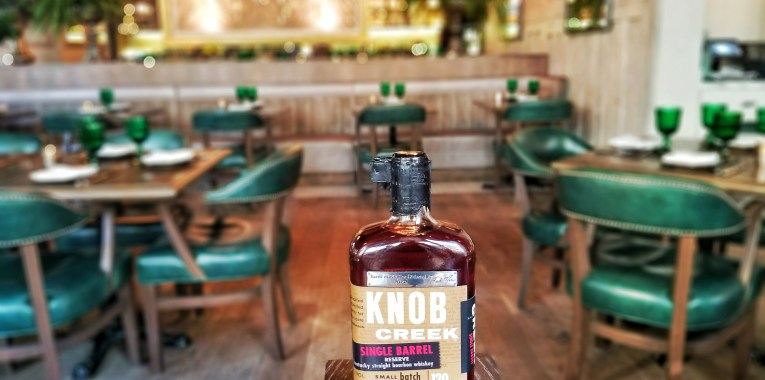

 the Knob Creek Smoked Maple, a bourbon flavored liquor bottled at 90 proof. Then camethe inevitable. In 2016, just shy of 25 years, Beam Suntory announced that Knob Creek would be dropping its age statement. That same year the

 inserts, but still makes them available online and they started the

 in tradition, both its own and the Scotch Whisky tradition that gave birth to it, so change comes slowly. And while whiskey history is littered with mythological founding fathers modern Japanese Whisky owes it’s life and it’s tradition, to one man: Masataka Taketsuru.
 (over objections from both families) and in May of that same year Taketsuru began an apprentice at Hazelburn distillery where he gained a greater understanding of blending whiskey as well as distilling. He and Rita returned to Japan that November with plans to help the Settsu Shozo Company set up the first Japanese Whisky distillery. These plans never came to fruition.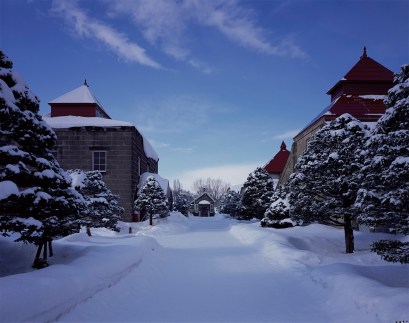

 Bottled In Bond LA